
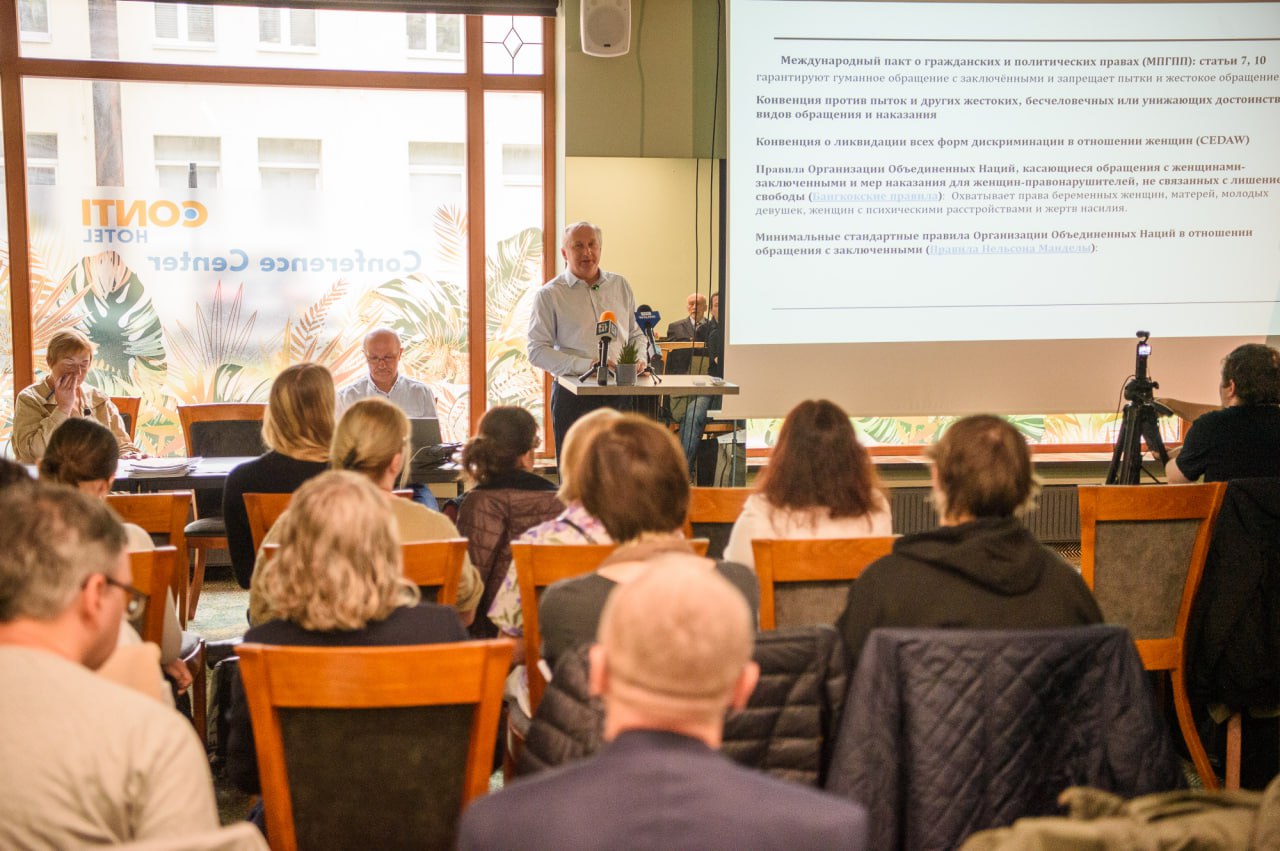
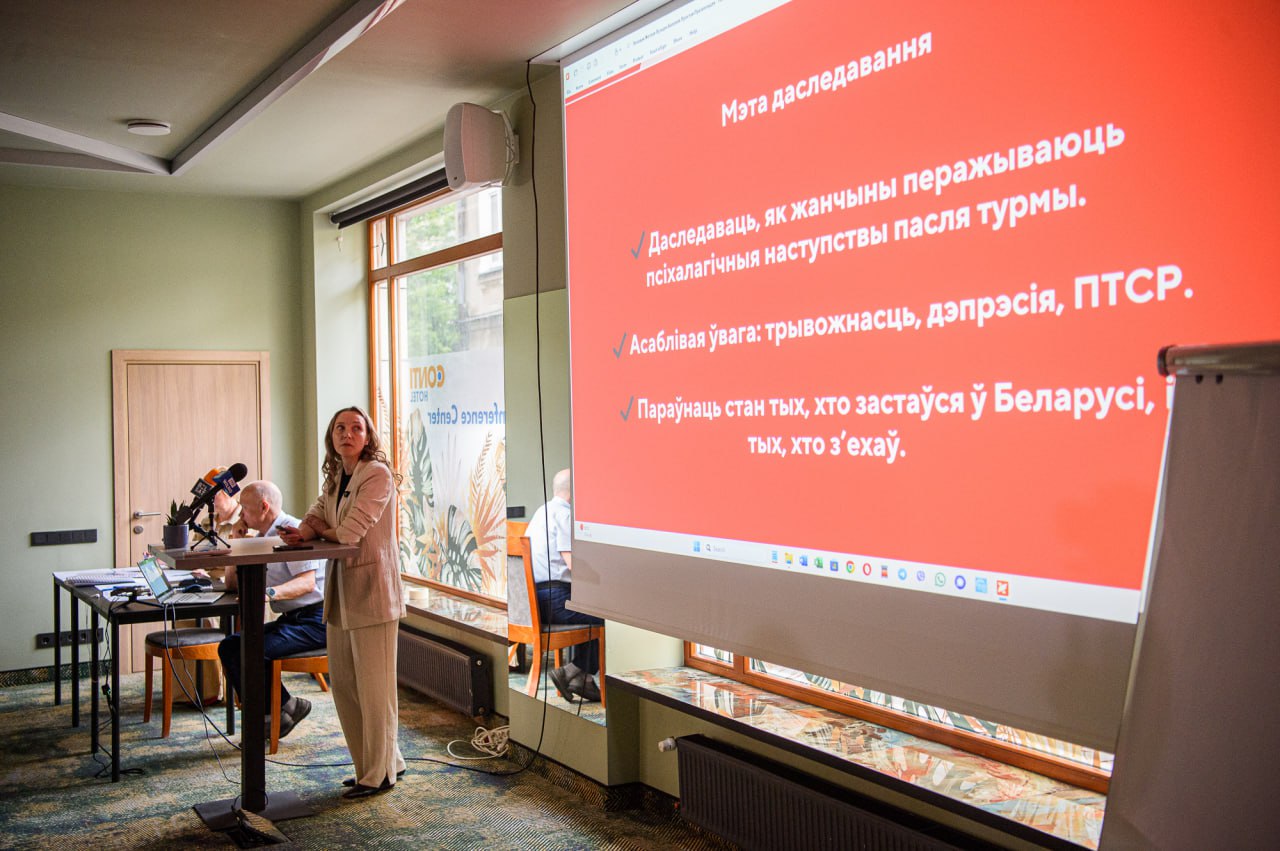
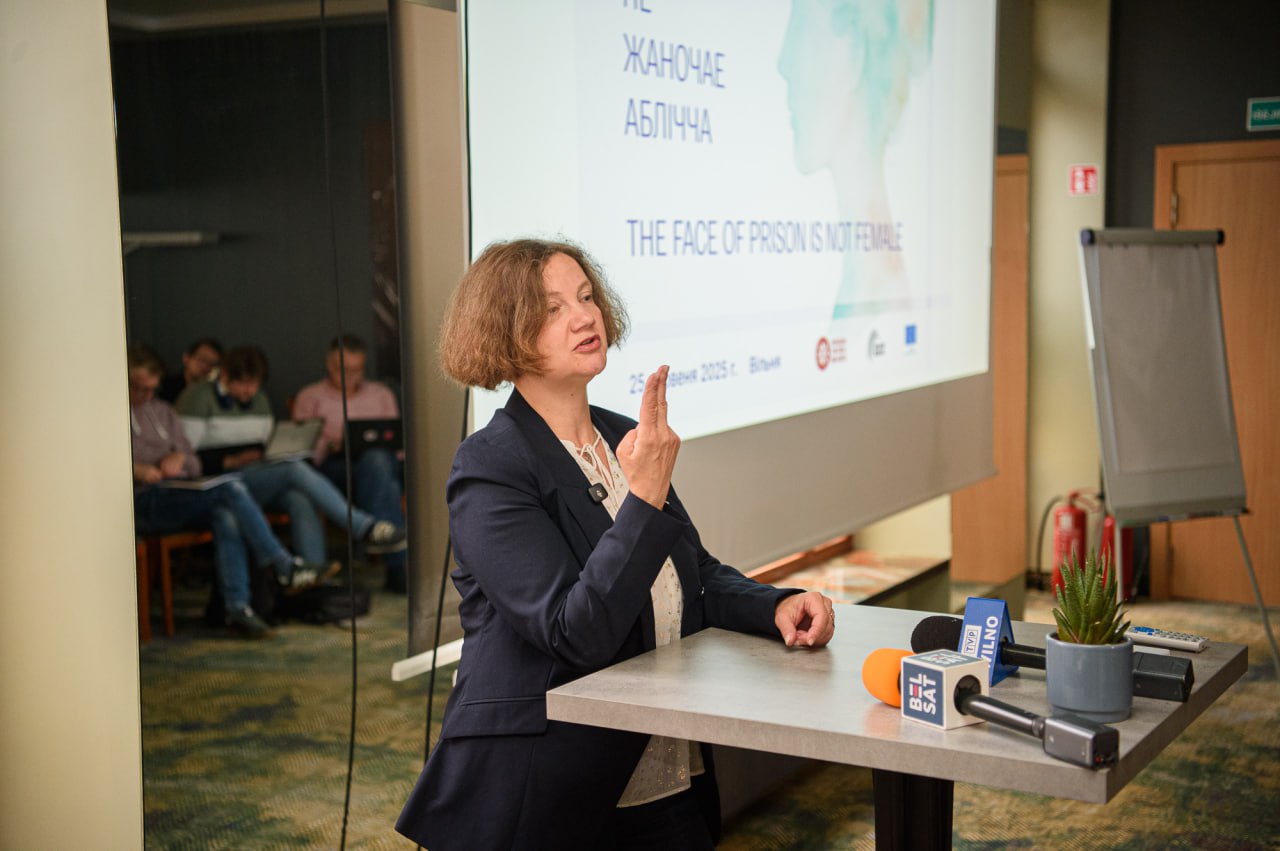
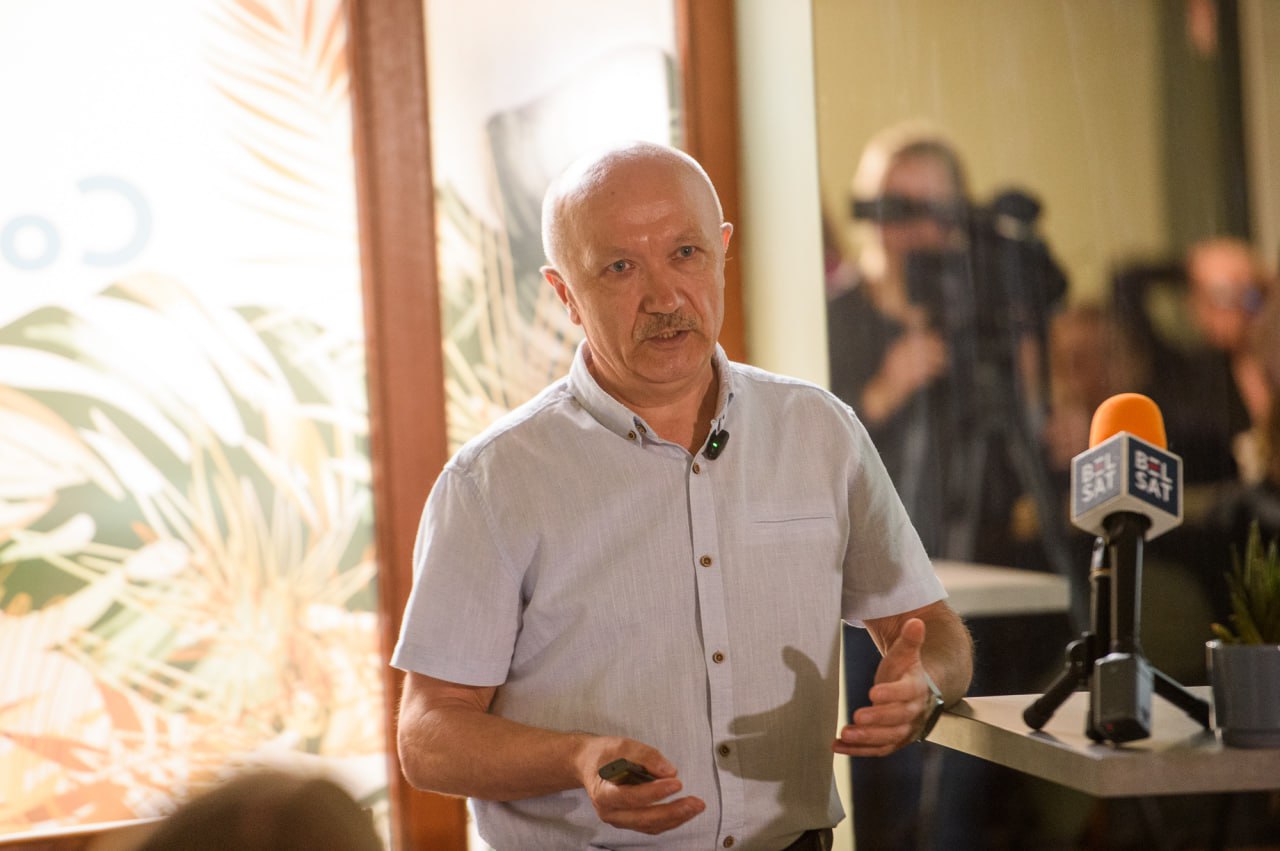
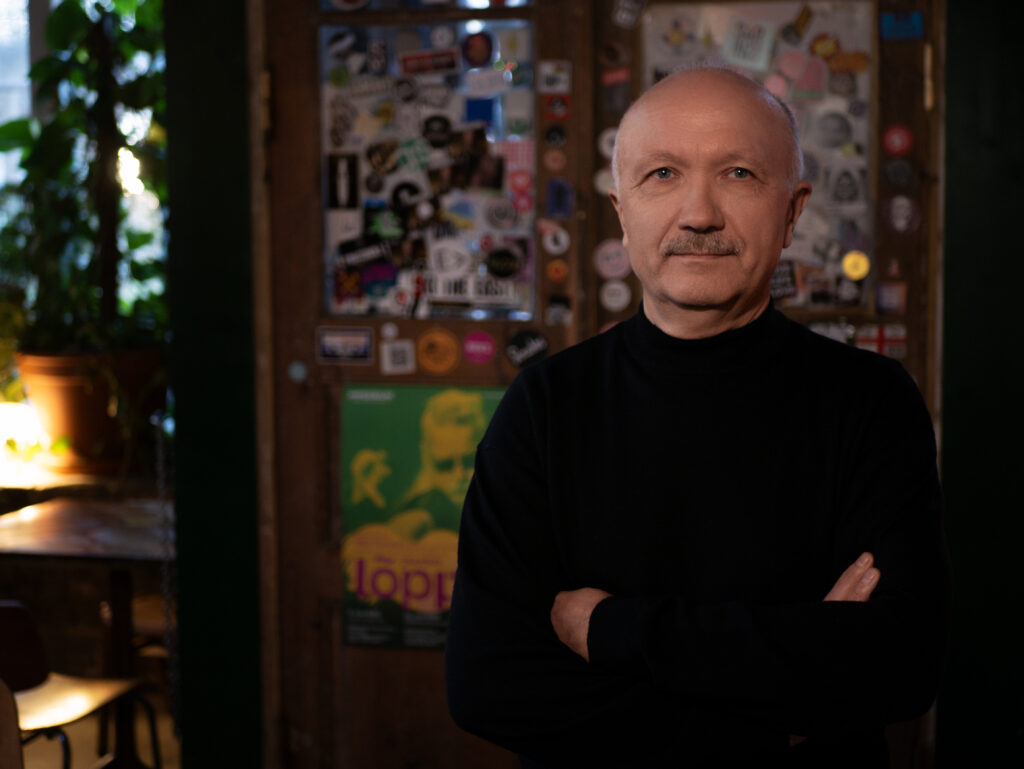
The situation of imprisoned women in the country’s penitentiary system remains extremely difficult. As emphasized by Vasili Zavadski, a physician and human rights defender with the organization “Doctors for Truth and Justice,” the problem is systemic in nature and affects not only conditions of detention but also deeper social causes.
The Specific Needs of Women Are Not Taken into Account
According to Zavadski, prisons in Belarus have historically been “created by men for men.” This is reflected in the fact that women’s sanitary, hygienic, and physiological needs are insufficiently considered. Such conditions affect both the physical health and psychological state of female prisoners.
“We see that psychological and even psychiatric factors influence immunity and the overall health of women in detention,” he stresses.
The Share of Women in Detention Is Higher Than in Europe
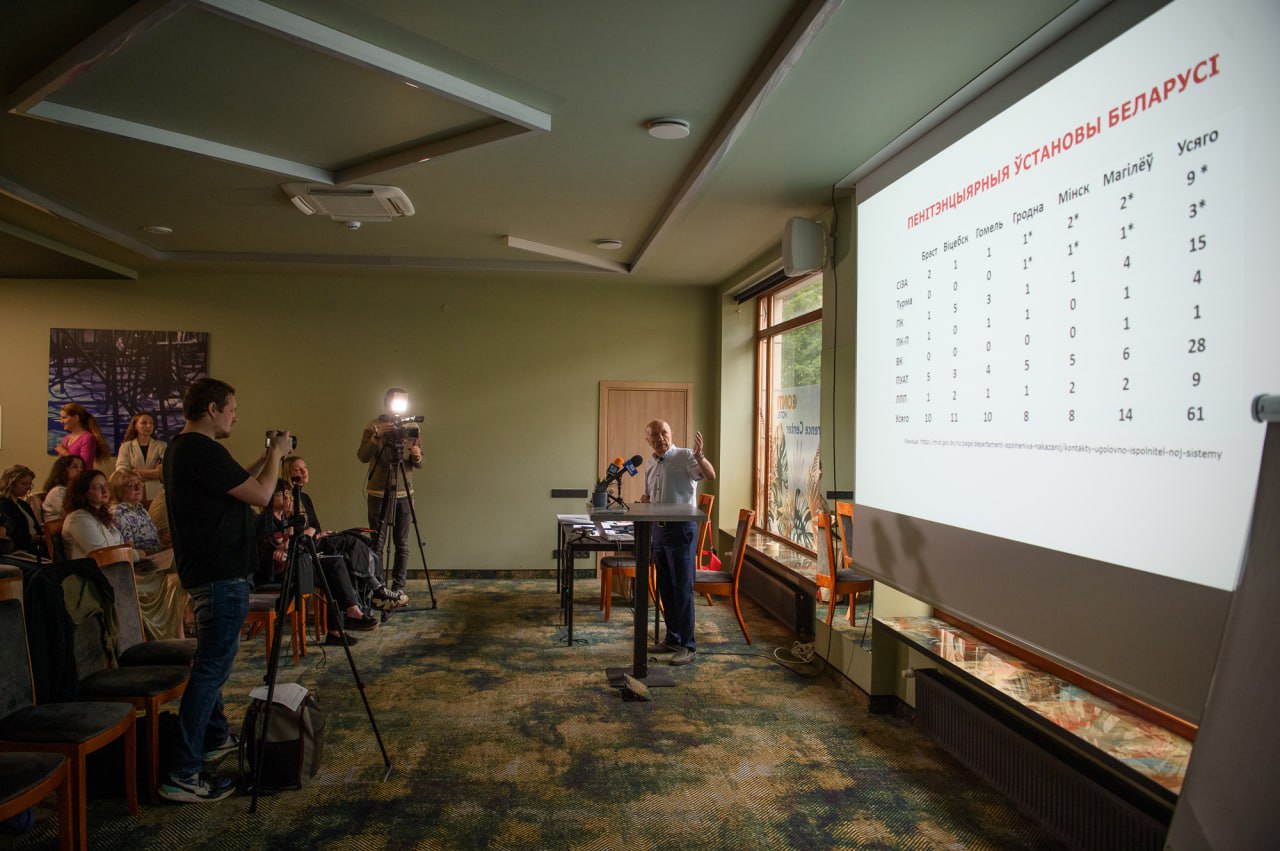
Statistics are particularly alarming. In Belarus, women make up more than 10% of the total prison population, and in лечебно-трудовые профилактории (LTPs) — about 20%.
“This is a kind of barometer of the social status of women in our society,” Zavadski notes.
For comparison, in most European countries the proportion of women in detention is significantly lower. Another тревожный fact is that women also account for about 20% of political prisoners.
Solving the Problem Requires Joint Efforts
Zavadski sees the main solution in cooperation between the state and non-governmental organizations, including religious ones.
“In cooperation with scholars and through studying international experience, this could yield positive results. They would not be immediate, of course, but at least it would make it possible to establish some positive tendency,” the doctor believes.
Advice to Medical Professionals
Vasili Zavadski separately addressed his colleagues who fear losing their jobs because of showing humanity toward prisoners:
“Do not lose your humanity. Work is secondary, but remaining a human being is the most important thing.”
Machine translation from Russian.