
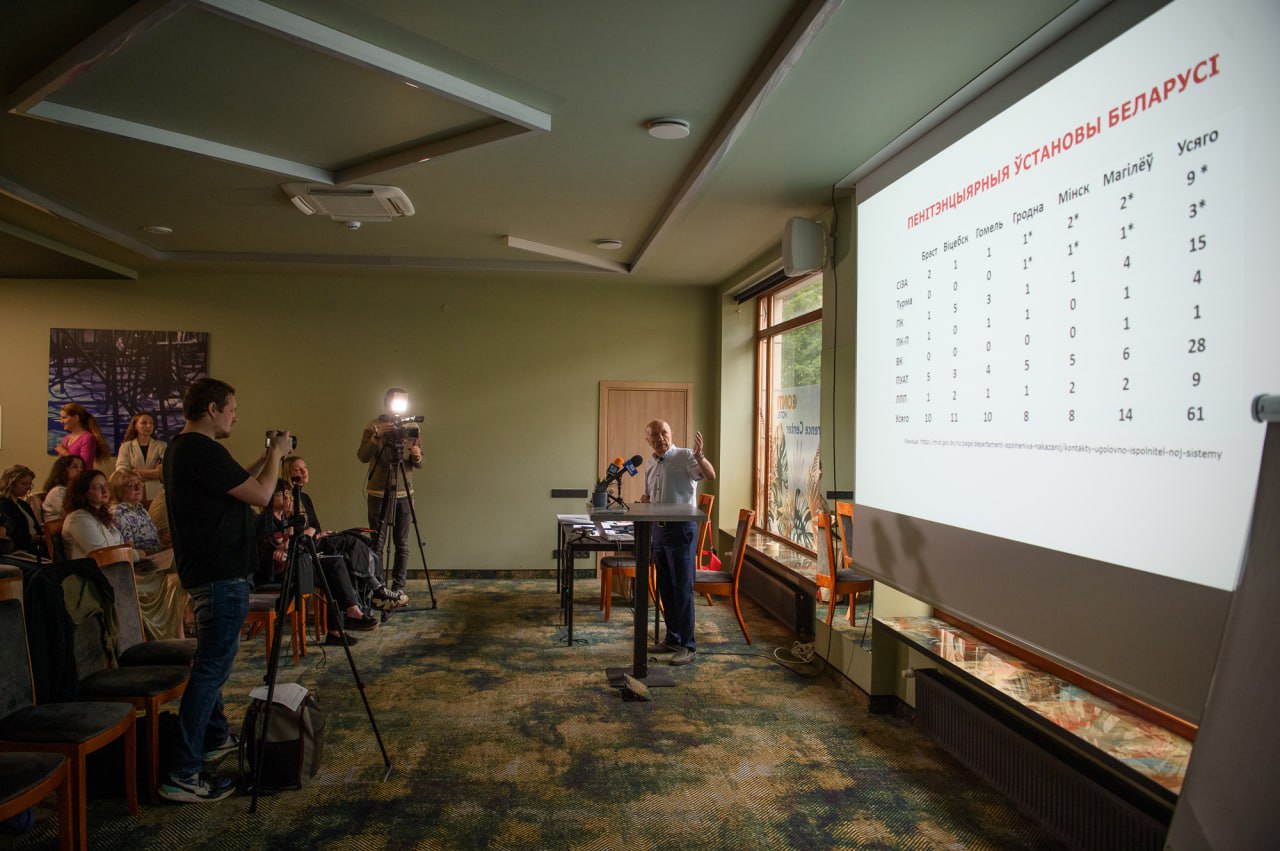
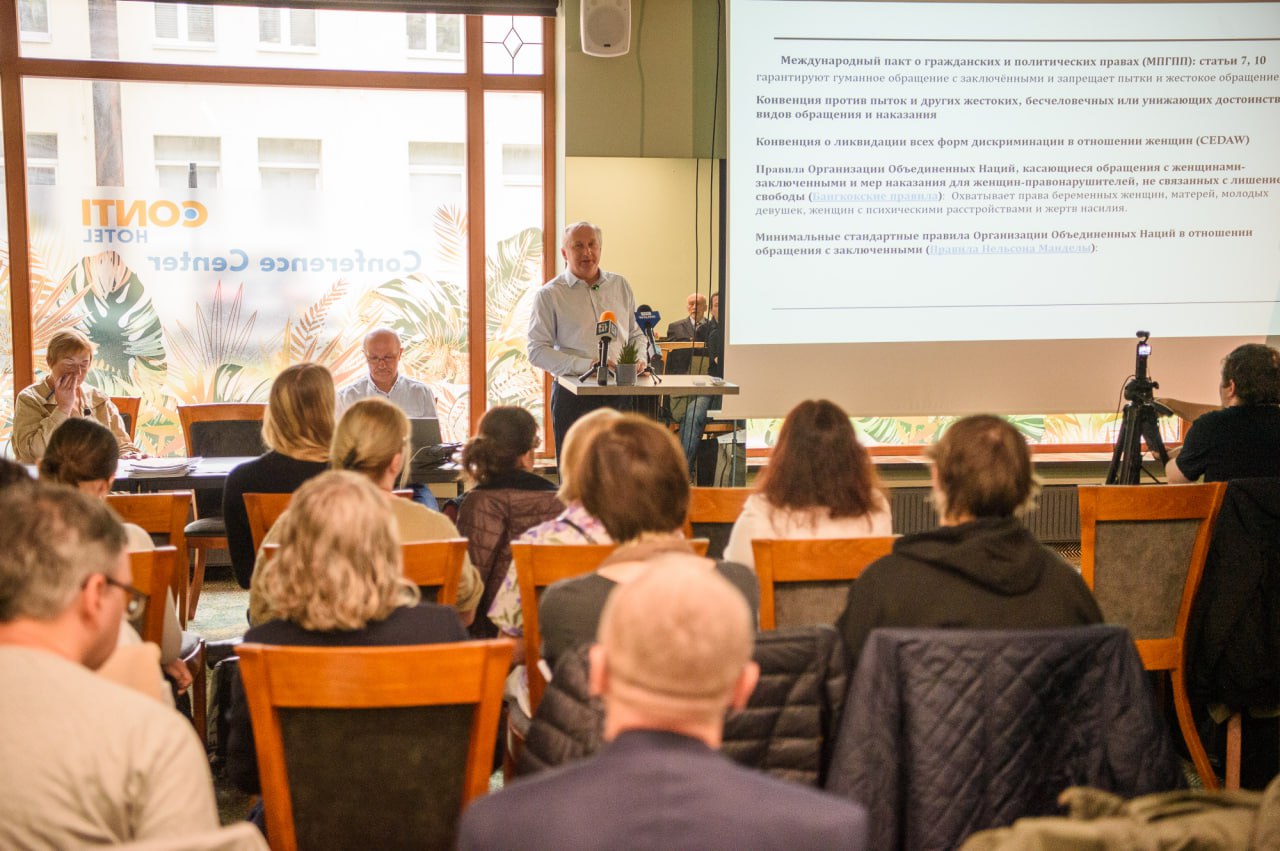
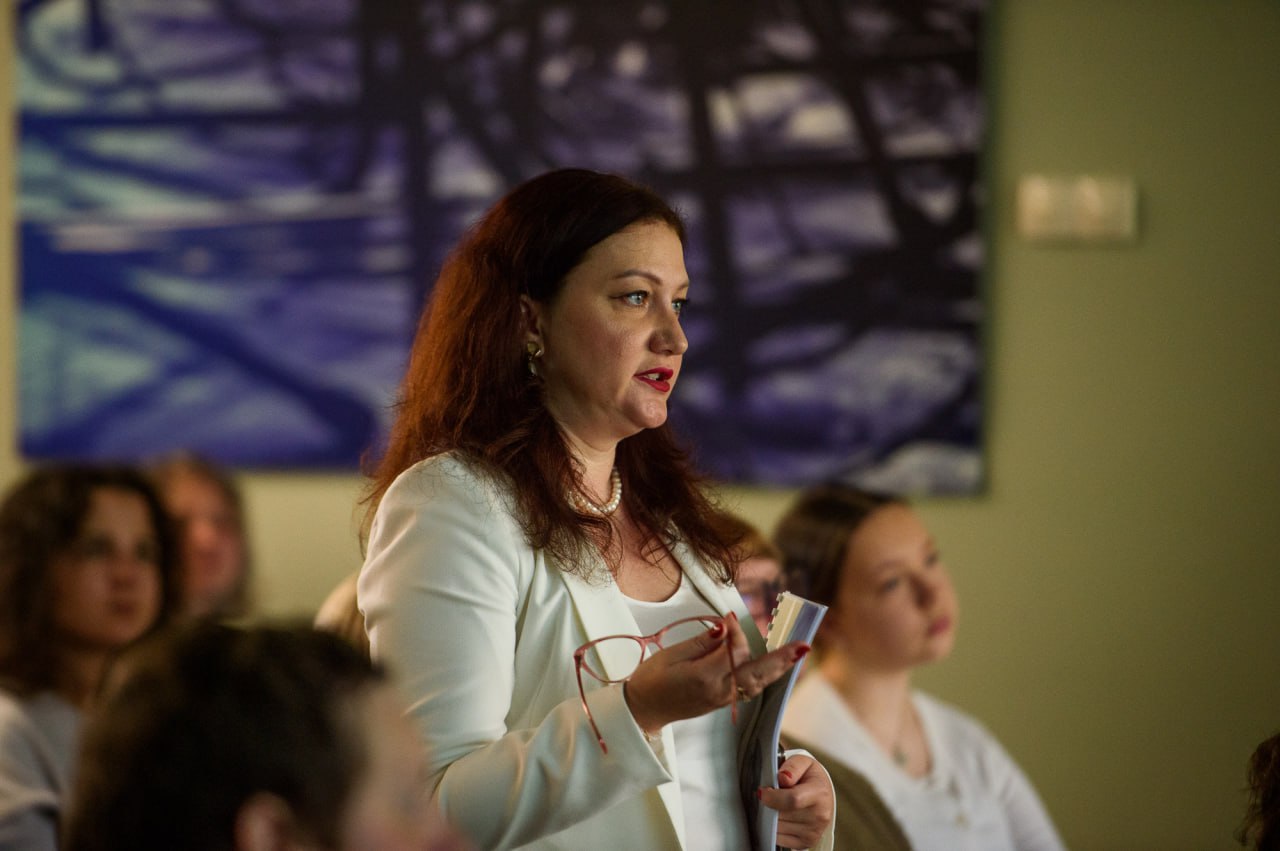
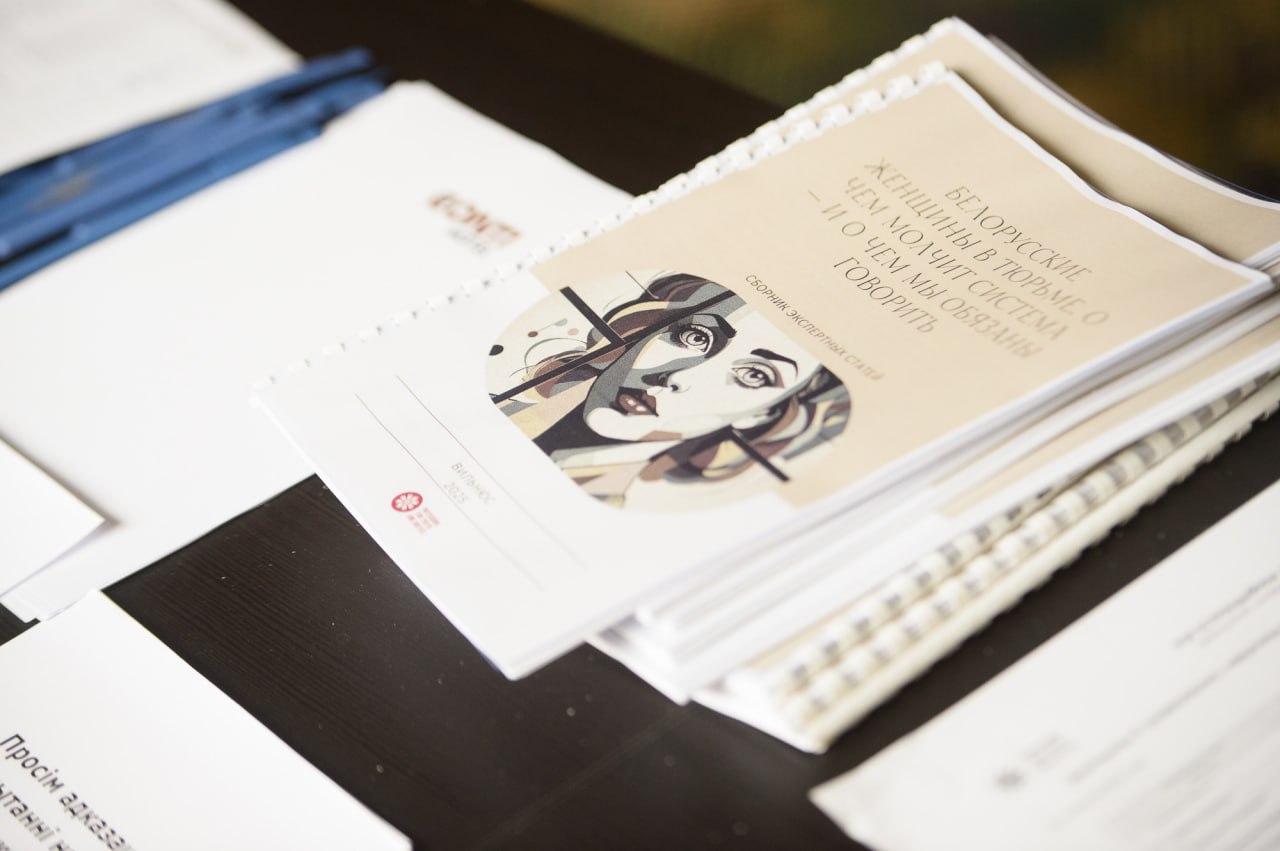
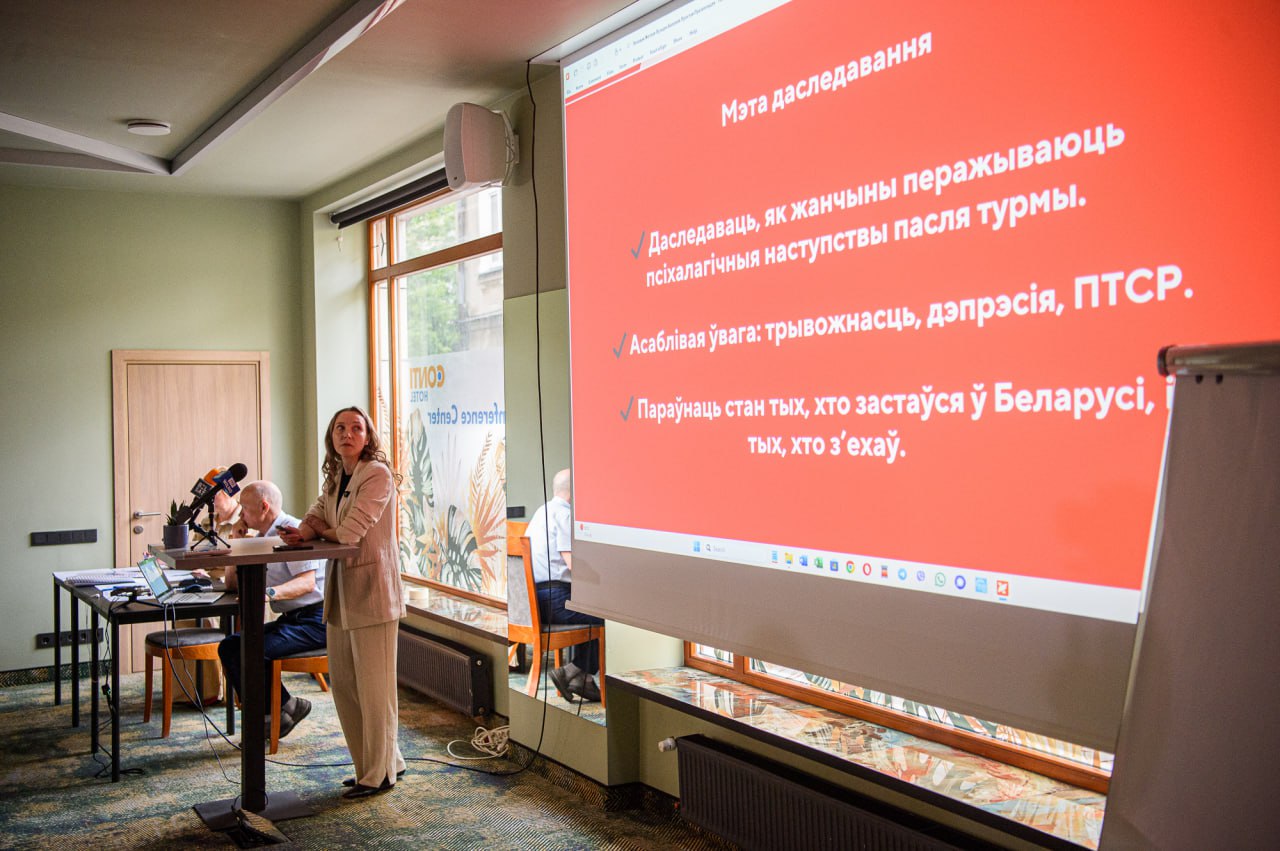

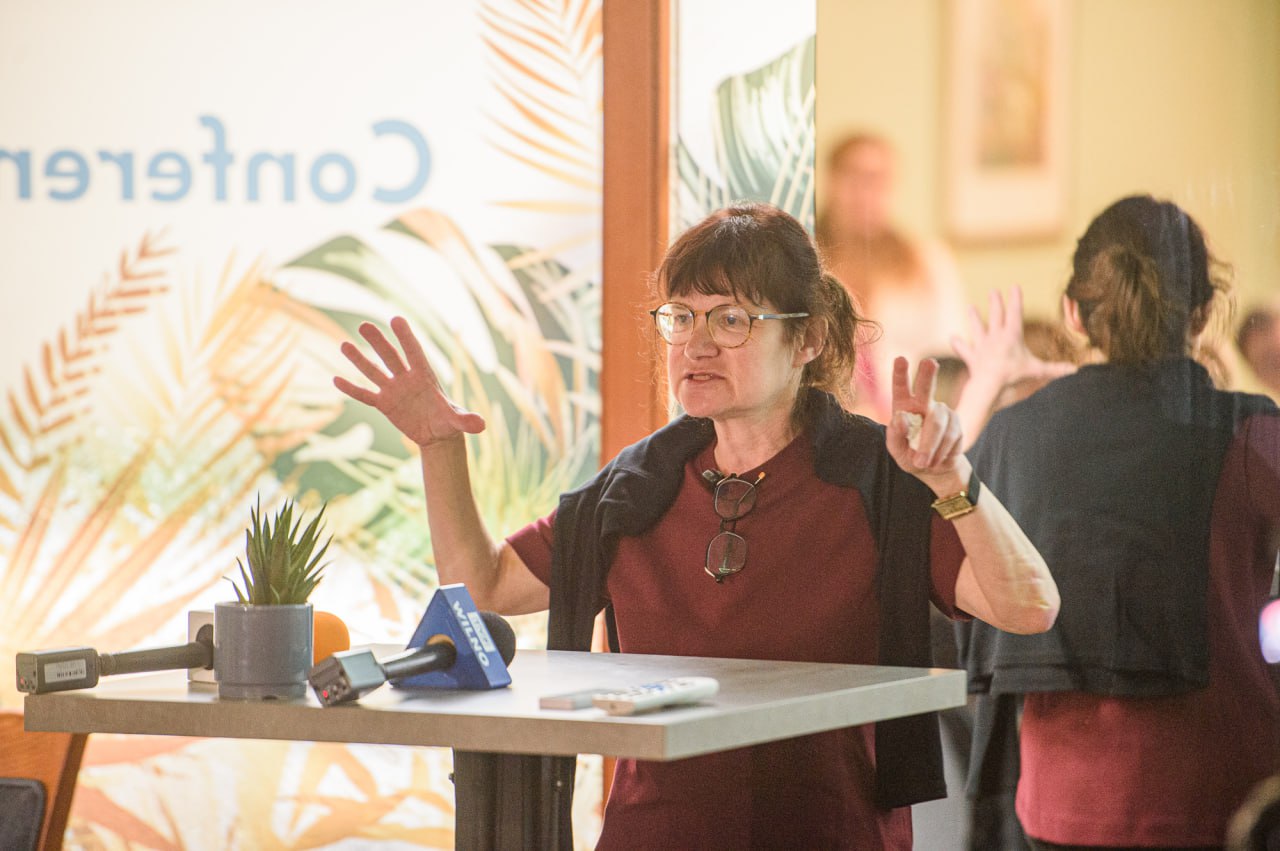
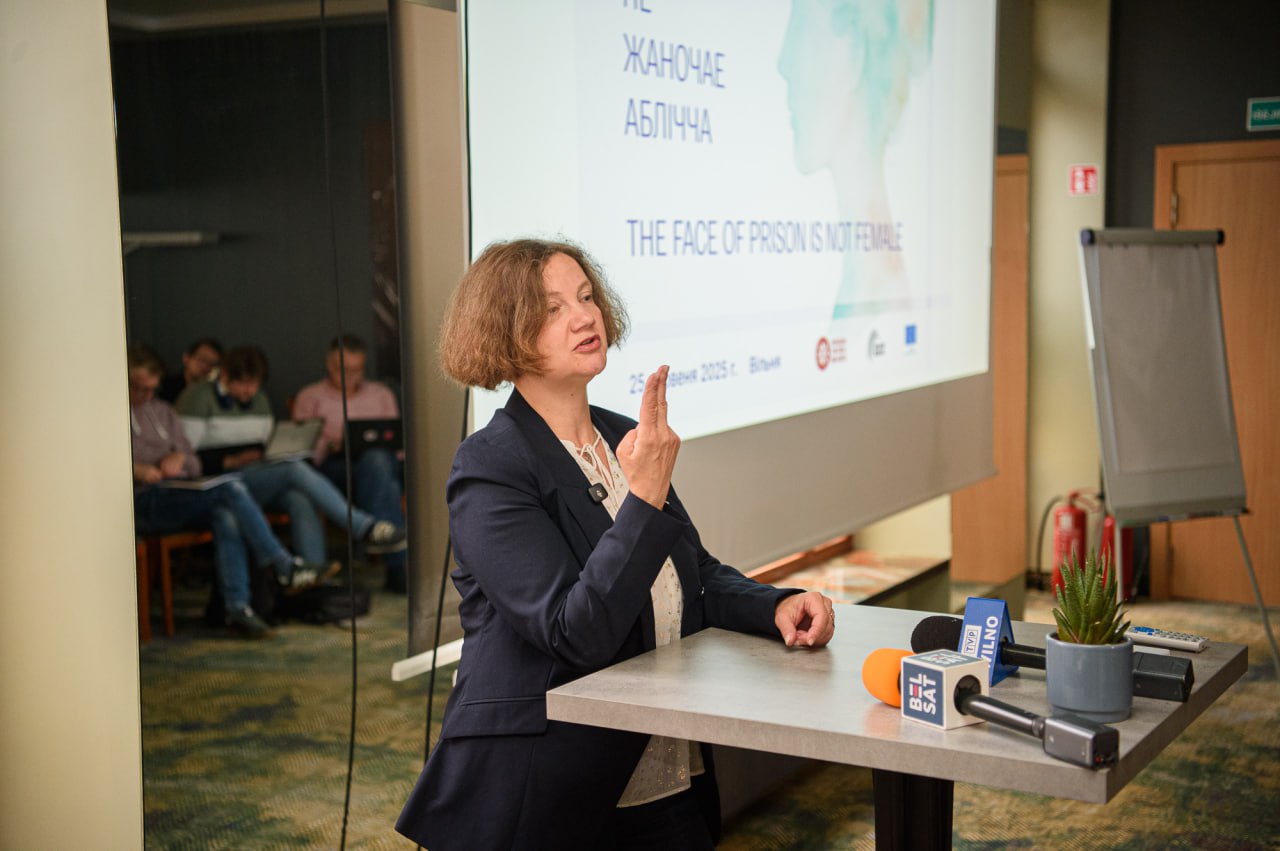

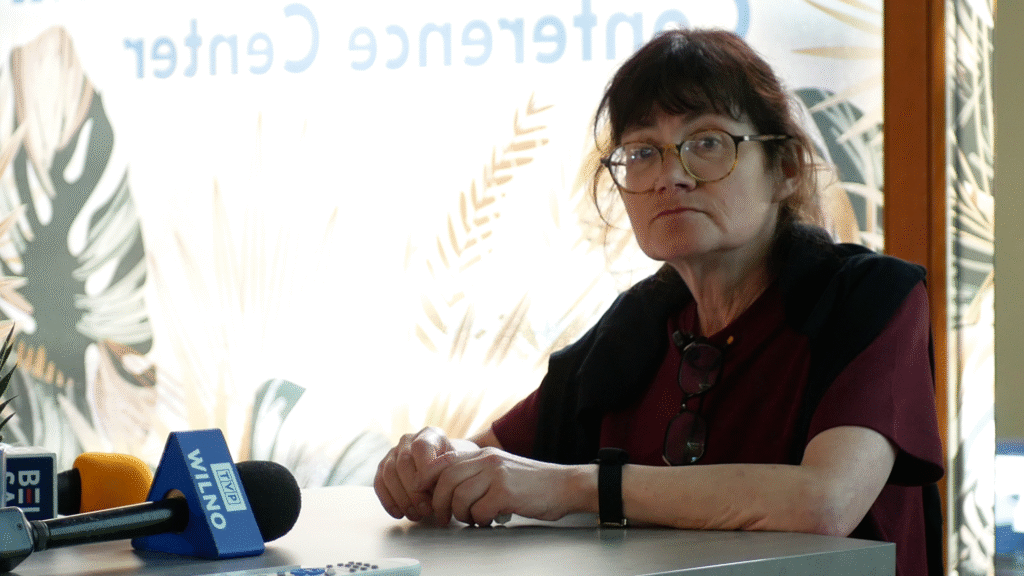
Natalia Dulina, a former political prisoner and associate professor of the Italian language department at MSLU, shared her experience of being held in a punishment isolation cell in a women’s penal colony in December 2024. Her story offers an inside look at how basic human needs are violated and how women in Belarusian colonies are forced to survive in conditions that can hardly be called humane.
Torture and Cruel Treatment — What Is the Difference?
Natalia Dulina drew a distinction between torture and cruel treatment. Torture, according to her, is cruel treatment aimed at forcing a person to perform certain actions or provide information. Cruel treatment, on the other hand, may be purposeless — carried out out of revenge, boredom, or simply because “that’s how it is done.” Natalia emphasizes that no physical violence was used against her.
“For example, they took my glasses away (when placing me in the punishment cell — doctorsby.com). You understand, psychologically this is extremely difficult for a person with severe nearsightedness,” she says.
Conditions in SHIZO
Natalia Dulina recalls December 2024, when she was placed in SHIZO (a punishment isolation cell) for five days. She describes SHIZO as a small cell with bare painted wooden boards (bunks) that do not warm up from body heat. Regarding food, Natalia noted: “They fed us properly, so there were no issues in that regard.”
Among the conditions she described were:
Confiscation of glasses. Natalia Dulina’s glasses were taken away, which was psychologically тяжёлым for a person with severe nearsightedness and may qualify as cruel treatment.
Restrictions on clothing. According to the rules, underwear is allowed, while the rest of one’s clothing is removed — instead, prisoners are given a skirt and a jacket. Natalia found herself in SHIZO with bare legs, wearing socks and a sleeveless undershirt.
Temperature and sleep deprivation. Although it was December and heating was functioning, Natalia noted that the temperature depended on the specific cell: some were warmer, others colder. At night, sleeping on the wooden boards was cold, and bringing extra clothing such as a sweater or padded jacket was not allowed.
“It was cold, but during the day you can walk around the cell, do some exercises, but at night — no. At night you lie on these logs, on these boards. They don’t allow you to take anything into the cell — no extra sweater, no padded jacket, nothing. So you are supposed to sleep like that. Can you sleep like that? No, because it’s cold!” the former political prisoner says.
Natalia Dulina stated that such conditions violate basic human needs. Physical discomfort, she says, affects one’s моральное состояние.
How Women Prepare for Possible Placement in SHIZO
Women prisoners заранее prepare an “emergency bag”: a toothbrush, toilet paper, a towel — everything that may be needed if, after a комиссии, they are sent to SHIZO.
“You can bring very little with you there. We tell the inmates who are responsible in our unit that these things (items — doctorsby.com) are in this bag, and if after the commission they take me straight to SHIZO, please pass it to me,” Natalia Dulina explains.
The term of confinement in SHIZO also varies — from 3 to 15 days — but it can be extended.
“Then there may be an extension if something went wrong. For example, disrespectful behavior toward staff or some other reason,” Natalia Dulina says.
Machine translation from Russian.