
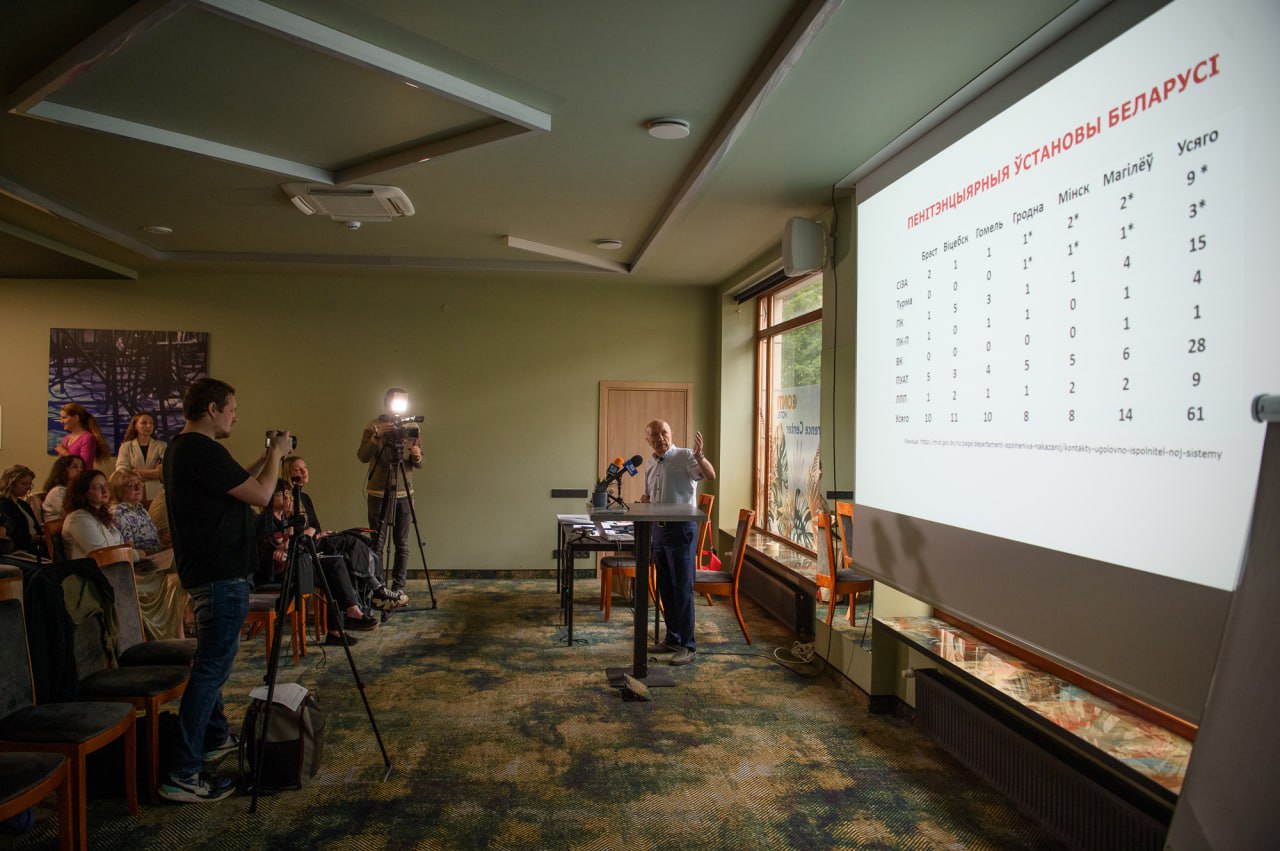
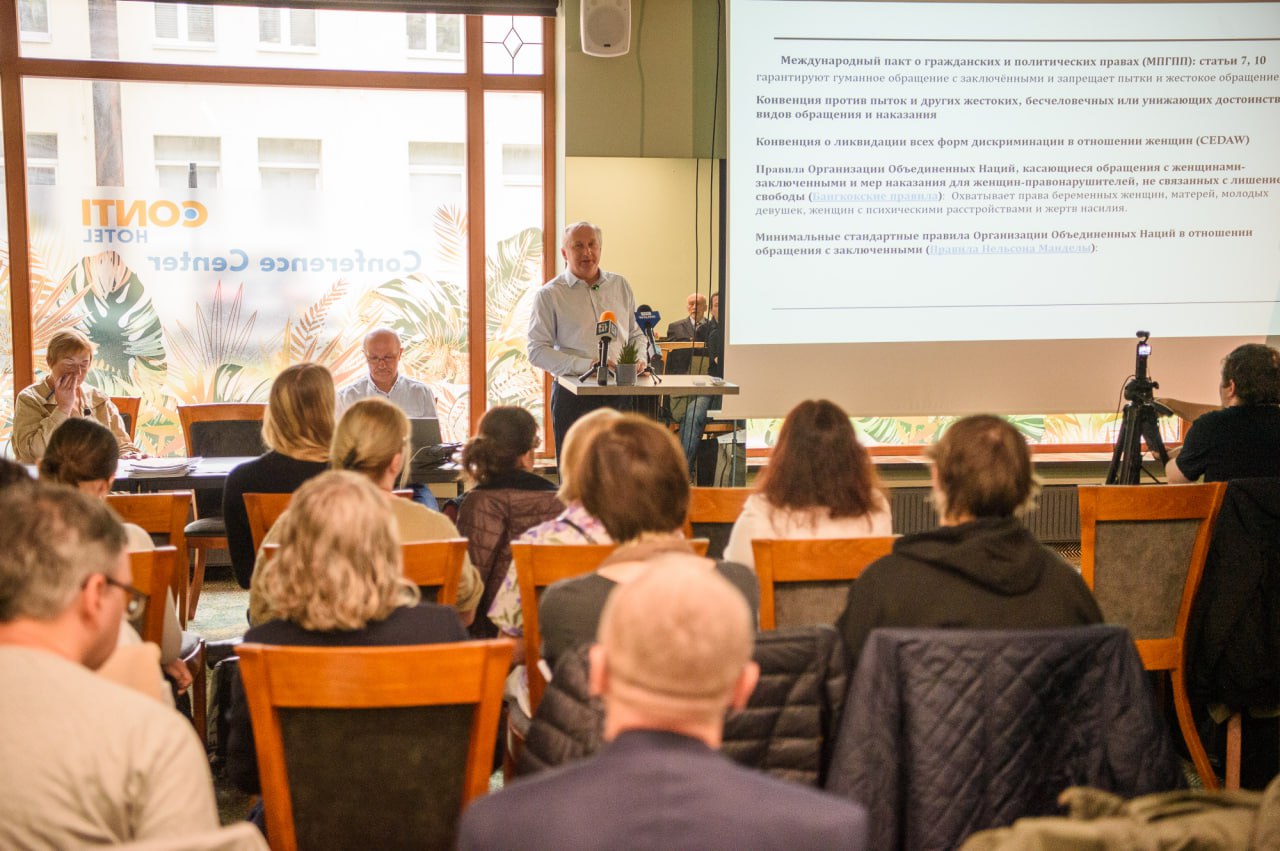

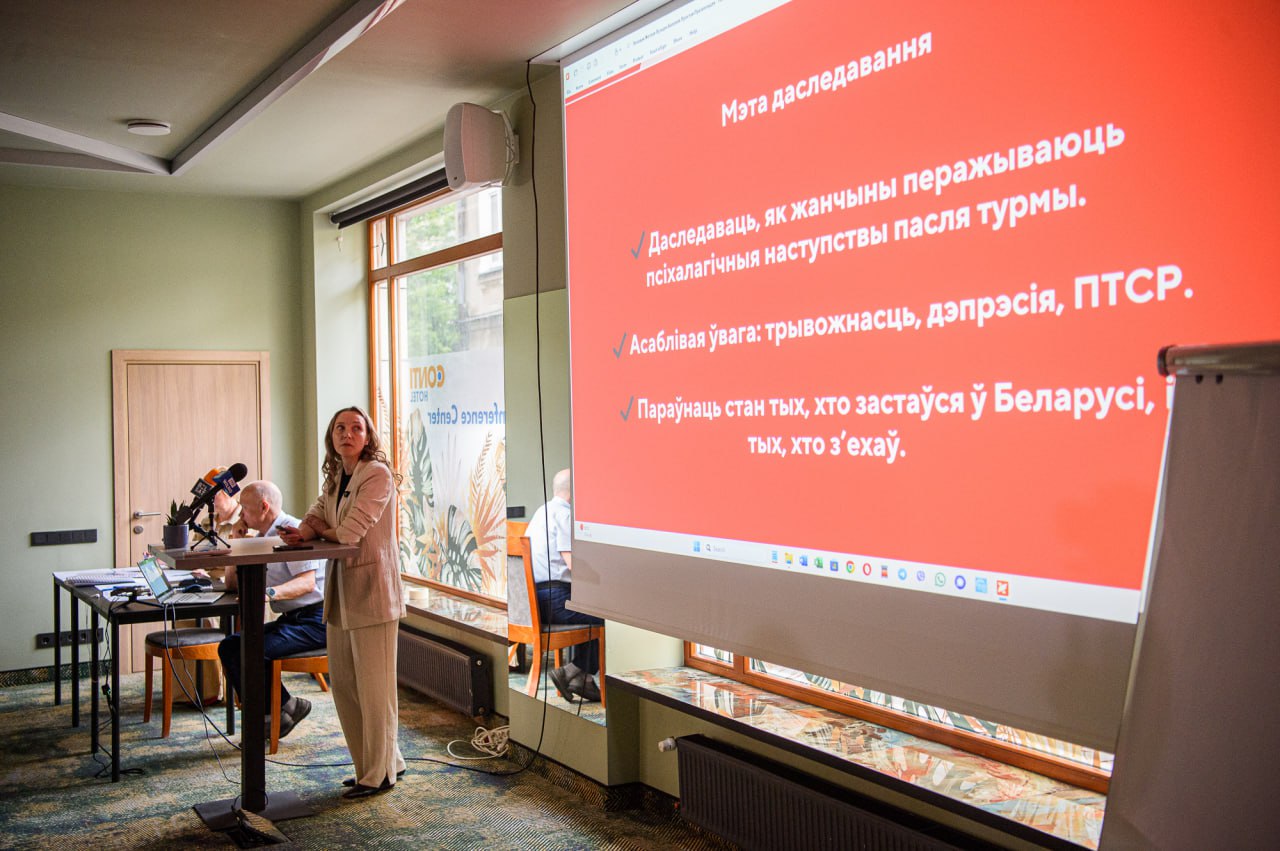



July 22 is marked as Psychologist’s Day in Belarus. After the events of 2020, when we speak about the role of a psychologist in places of detention, we face a dilemma that is especially acute in Belarusian reality: is this specialist someone who helps a person endure isolation, stress, violence, and loss — or do they become an instrument of control and pressure?
A Psychologist as Support
In an ideal situation, a prison psychologist is a person who helps an inmate not to lose themselves, their human qualities, and their ability to feel, think, and reflect behind bars. They work with anxiety, depression, reactions to violence, intensified loneliness, and suicidal thoughts. Their task is not only to “preserve life” but also to support the individual in the most difficult circumstances, as well as to prepare a person for release.
Such a psychologist follows ethical standards, does not disclose medical or psychological confidentiality to the administration, does not participate in disciplinary or repressive decisions, and works on the side of humanity and the human being.
A Positive Example: A Psychologist as Support
A prisoner, 2020–2022
During her sentence, a woman turned to a psychologist with severe traumatic memories and fears. She noted that the only person she could trust in the colony was precisely the psychologist. The specialist supported her, did not reveal confidential information, helped stabilize her emotional state, even though “he had to be extremely careful” because of it. After her release, the woman went through rehabilitation and admitted that this support “helped preserve her faith in people.”
A Psychologist as a Lever of Pressure
However, in Belarusian prisons, the psychologist’s role is often distorted. Institutions do not treat psychological health as a value — rather, as a factor of control. Therefore, a psychologist may become part of the coercive system:
— participating in psychological monitoring as a tool of control;
— passing information from confidential conversations to the administration;
— becoming involved in surveillance or pressure against specific inmates;
— diagnosing mental states without proper grounds, which can later affect a person’s fate;
— supporting the repressive order instead of combating its consequences.
In my practice, I have countless examples where the work of psychologists behind bars not only fails to meet professional standards — it fails to meet legal requirements as well.
Example: 2023, Homel
A woman convicted under a political article approached the colony psychologist with symptoms of anxiety, insomnia, and tearfulness. Instead of support, she discovered that the content of her conversation had been passed to the administration. A few days later, she was transferred to SHIZO “for prevention,” because she was said to be “showing signs of destabilization.” After that, she never sought psychological help again and отказалась from any medical contact. The result was deeper isolation and psychological exhaustion.
Example: 2024, Minsk
A man who was “registered as prone to suicide.”
After speaking with a psychologist, the inmate was automatically placed into the “suicide risk group.” This led to him being checked every hour at night and subjected to additional examinations. The reasons were not clearly explained, and the assessment was subjective. This did not help — it worsened his condition and made psychological assistance unattractive for others.
Belarusian society — and the state itself — suffers greatly from an inadequate psychological service within the penitentiary system. Here is how:
1. Psychological Trauma Returns to Society
Former prisoners who did not receive genuine psychological support return to society with deep trauma, mistrust, and aggression.
This increases the risk of повторных offenses, domestic violence, isolation, and social instability.
2. Growing Distrust in the Justice System
When a prison psychologist is perceived as part of a punitive machine rather than a helping professional, people lose faith in justice and legality.
Distrust toward state institutions spreads beyond the penitentiary system.
3. Erosion of Professional Standards
When psychological ethics are violated in places of detention, it deforms the entire profession.
Young specialists avoid working in the state system, the profession loses prestige, and people become afraid to seek psychological help.
4. Political Consequences
The use of psychologists as controllers and informants in political cases demonstrates that the state is ready to manipulate even the most intimate sphere — mental health.
This deepens civil протест, undermines the legitimacy of the authorities, and contributes to international isolation.
5. Economic Losses
The cost of social reintegration, repeated offenses, and untreated mental illnesses is far higher than investing in a professional and humane psychological service.
The state loses resources that could otherwise be directed toward development.
6. Lost Human Potential
Inmates with the potential for change — young, educated, capable individuals — are denied the chance to reflect and correct their paths.
Belarus loses its people, their abilities, talents, and opportunities.
How Psychological Assistance for Prisoners Is Regulated Today
1. Legislative Framework
The Penal Enforcement Code of the Republic of Belarus
Article 12 states that the penal system must protect the life, health, and rights of convicted persons, including the right to medical and psychological assistance.
The Law “On Psychiatric Assistance” (No. 187-Z, January 7, 2012)
This law also applies to places of detention, but it is primarily used in cases of compulsory psychiatric treatment.
2. Internal Regulations of the Department for Execution of Punishments
Instruction on the Organization of Psychological Preventive Work with Convicts
This document defines categories of prisoners who are subject to mandatory work with a psychologist:
- those prone to suicide;
- those convicted of serious and особо serious crimes;
- those in conflict with the administration;
- individuals deemed “psychologically unstable.”
Assessment and Monitoring Algorithms for “Psychologically Dangerous” Persons
Internal orders regulate surveillance of inmates placed “under supervision,” including isolation, increased control, and restriction of activity.
3. Features of How the Psychological Service Functions
Psychologists are subordinate to the colony administration rather than an independent body, which creates a conflict of interest between providing assistance and carrying out control functions.
There is a practice of disclosing information obtained during confidential conversations, especially when a prisoner holds an “oppositional” or “dangerous” position.
Confidentiality is not guaranteed despite professional ethical standards.
4. Real Practice and International Criticism
Human rights reports show that psychologists are used as instruments of pressure, including:
- threats of being “placed under supervision”;
- using conversation records against prisoners;
- pressure through manipulation of diagnoses.
This does not comply with the Mandela Rules (the United Nations Standard Minimum Rules for the Treatment of Prisoners), which require that psychological and medical care in prisons meet public standards and not be used as punishment.
What Needs to Be Changed
1. Institutional Independence
Psychologists must not be subordinate to the colony administration but should belong to an independent civilian or medical structure (for example, the Ministry of Health or an autonomous professional organization).
Independent accreditation and professional oversight of their work must be ensured.
2. Guarantees of Confidentiality
Clear legal norms must be introduced guaranteeing the confidentiality of psychological consultations.
Information obtained during consultations must not be passed to other services without the prisoner’s written consent (except in cases of direct угроз to life).
3. отказ from Punitive Functions
A psychologist must not serve as an instrument of control, pressure, or informing.
Practices of placing individuals “under supervision” for monitoring or isolation must be abandoned unless there are clearly defined medical indications.
4. Training and Education of Specialists
Specialized training for prison psychologists must be introduced with a focus on human rights, ethics, and trauma therapy.
Professional development, supervision, and psychological support for psychologists themselves must be ensured.
5. Cooperation with NGOs and Human Rights Defenders
Civil society organizations and independent specialists must be included in monitoring the quality of psychological assistance.
Recommendations and standards should be developed with participation from the expert community.
6. Lawmaking and Reform
The Penal Enforcement Code and the Law “On Psychiatric Assistance” should be updated, including norms prohibiting the use of psychological work for repressive purposes.
International standards must be integrated into national legislation.
Conclusion
Today, the psychological service in Belarus’s penitentiary system functions primarily as part of a control and enforcement mechanism rather than as independent support for prisoners. Psychologists are subordinate to colony administrations, creating a conflict of interest. Confidentiality is not guaranteed, and information may be used against inmates. There is a practice of forced “registration,” manipulation of diagnoses, and psychological pressure instead of professional help. Such a model contradicts international standards and human rights.
Machine translation from Belarusian.