
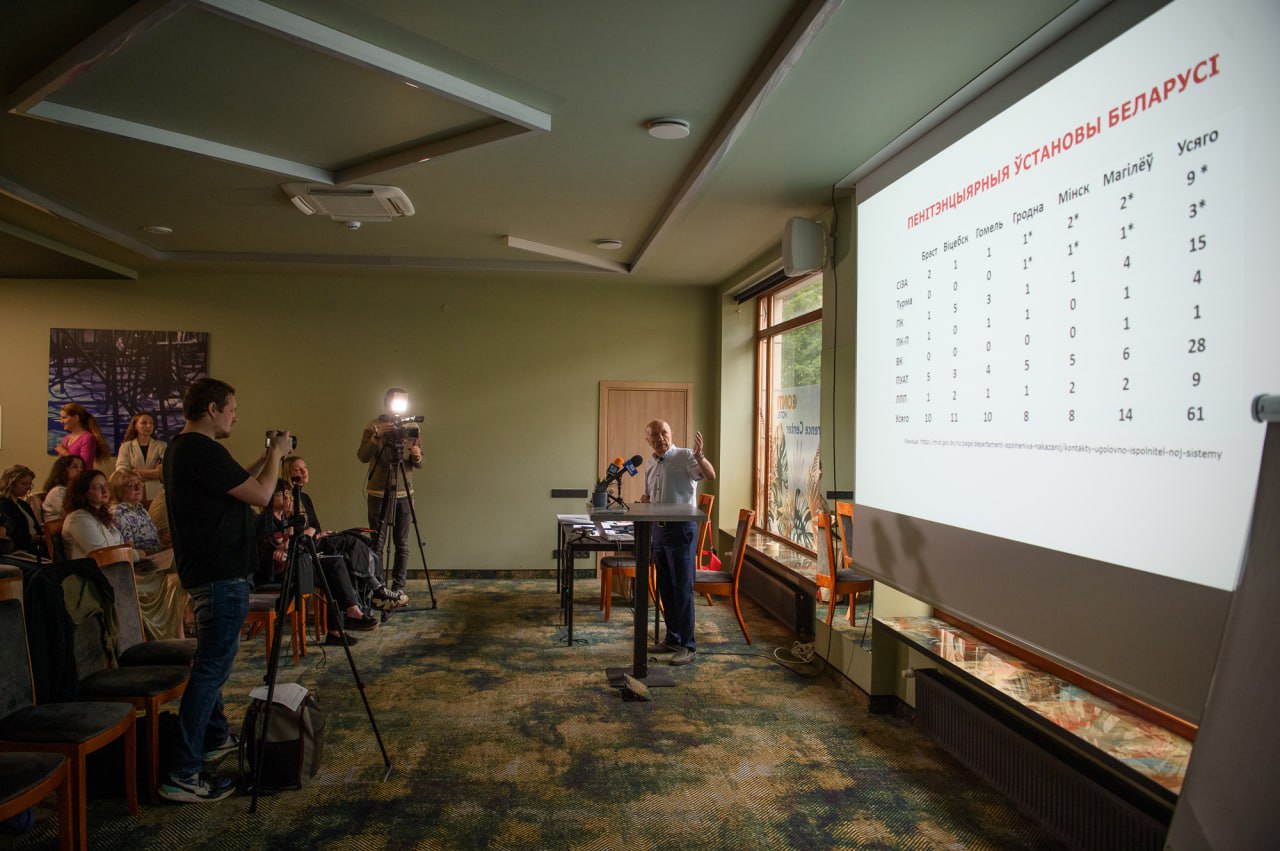
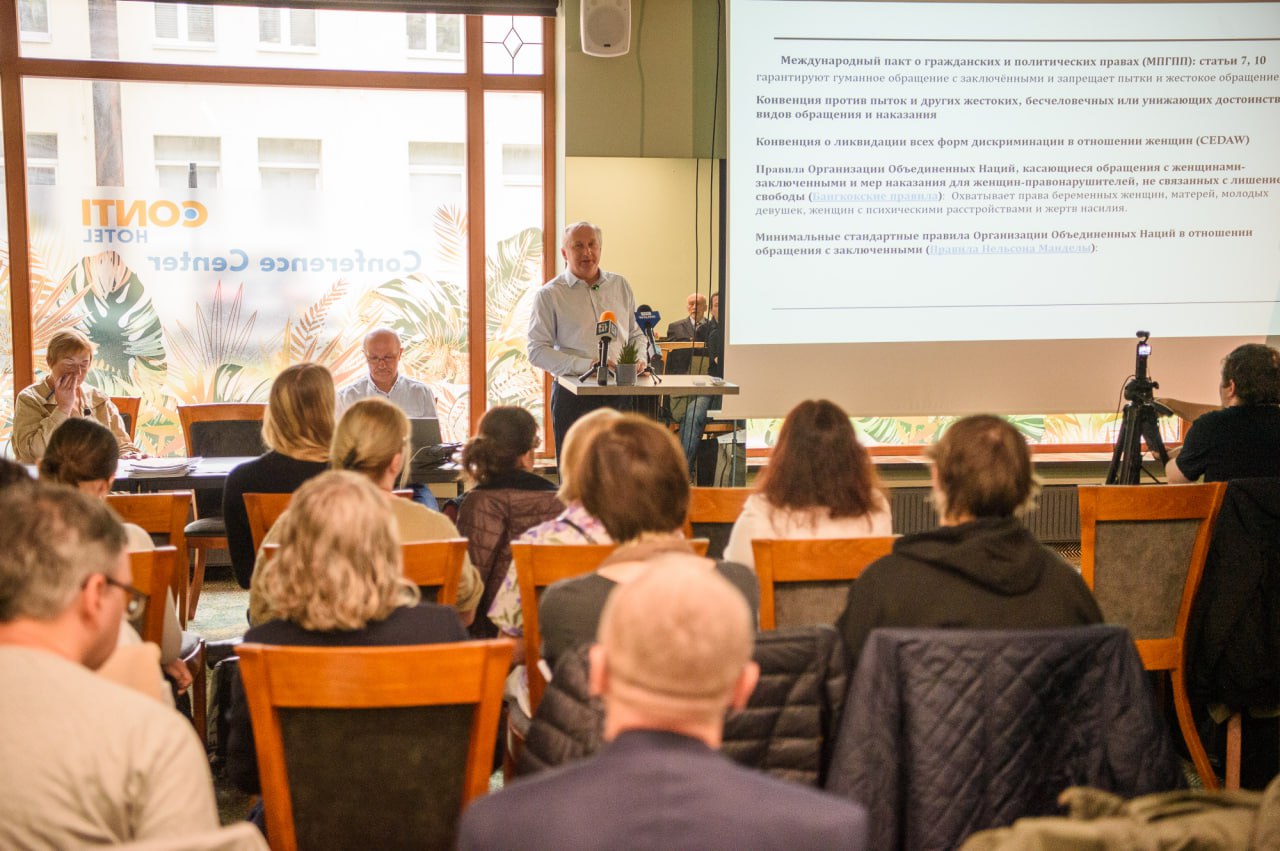

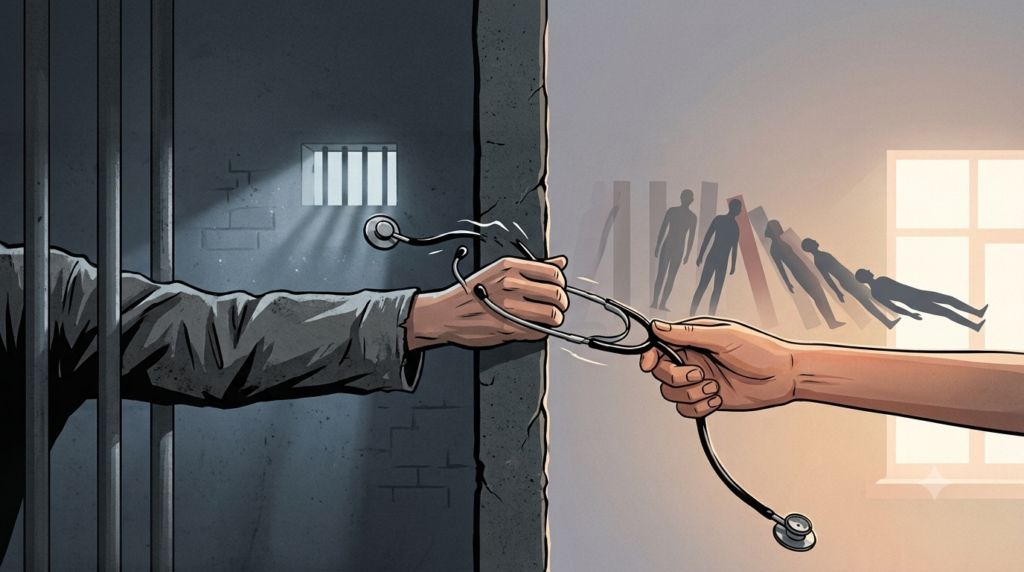
The study by Henadz Korshunau and Alena Shkurava offers a comprehensive sociological analysis of the transformations in public perception regarding the penitentiary system and the universality of human rights following the events of 2020. Mass repressions, which exposed tens of thousands of citizens across diverse social and professional backgrounds to administrative and criminal prosecution, drastically reduced social distance. Consequently, the issues of punitive healthcare and inadequate detention conditions shifted from marginal topics into the center of the national public discourse. Systemic limitations on medical care and harmful detention conditions are no longer viewed as isolated problems of a remote group, but rather as direct violations of human dignity affecting society as a whole.
The authors demonstrate the “domino effect” of the crisis in prison medicine, highlighting its long-term ramifications for the entire society: from the shift of financial and rehabilitation burdens onto private households and civil solidarity initiatives to threats to public health, brain drain, forced emigration, and collective traumatization. The study emphasizes that guaranteeing the universality of the right to health, removing prison healthcare from the jurisdiction of the Ministry of Internal Affairs, and establishing independent public oversight are not merely humanitarian tasks, but essential prerequisites for restoring institutional trust, repairing the legal culture, and securing the long-term post-crisis development of Belarus.