
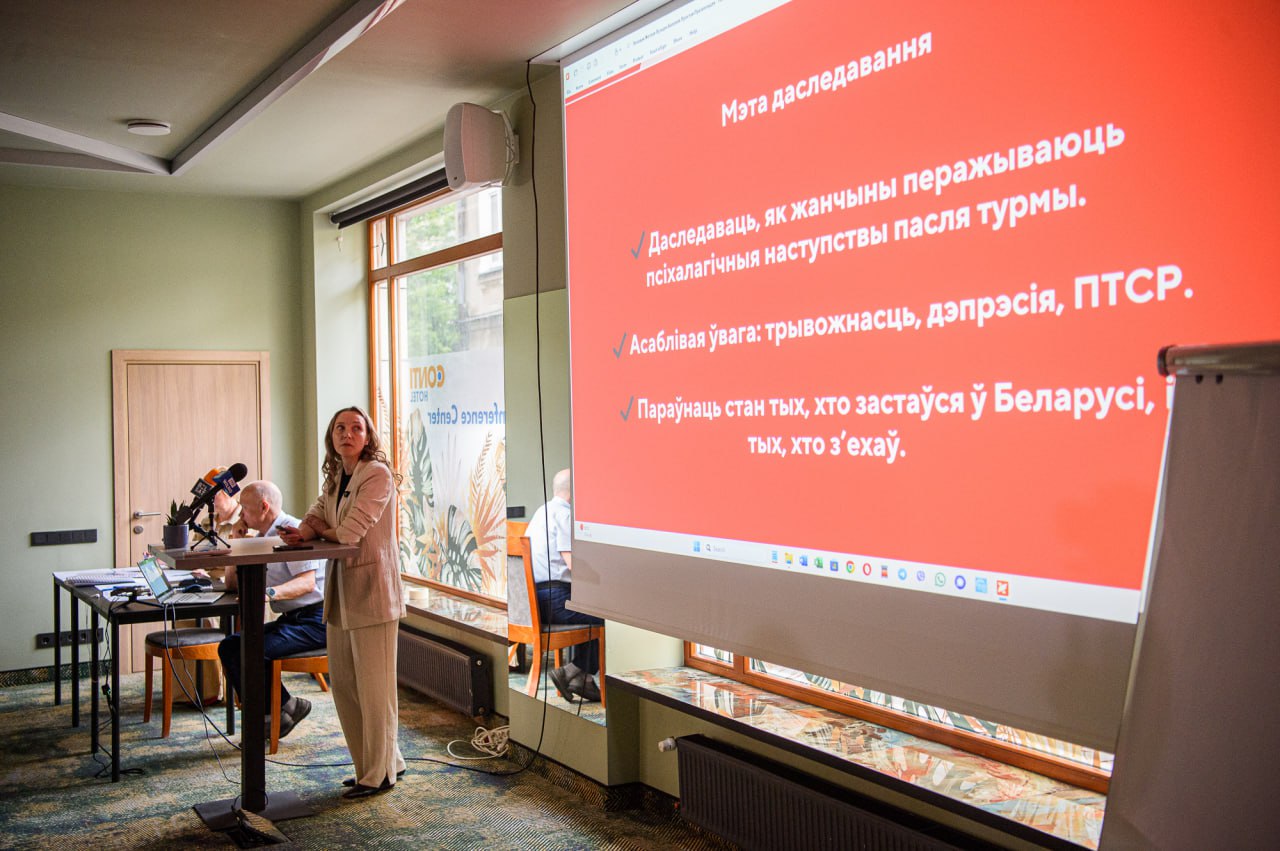
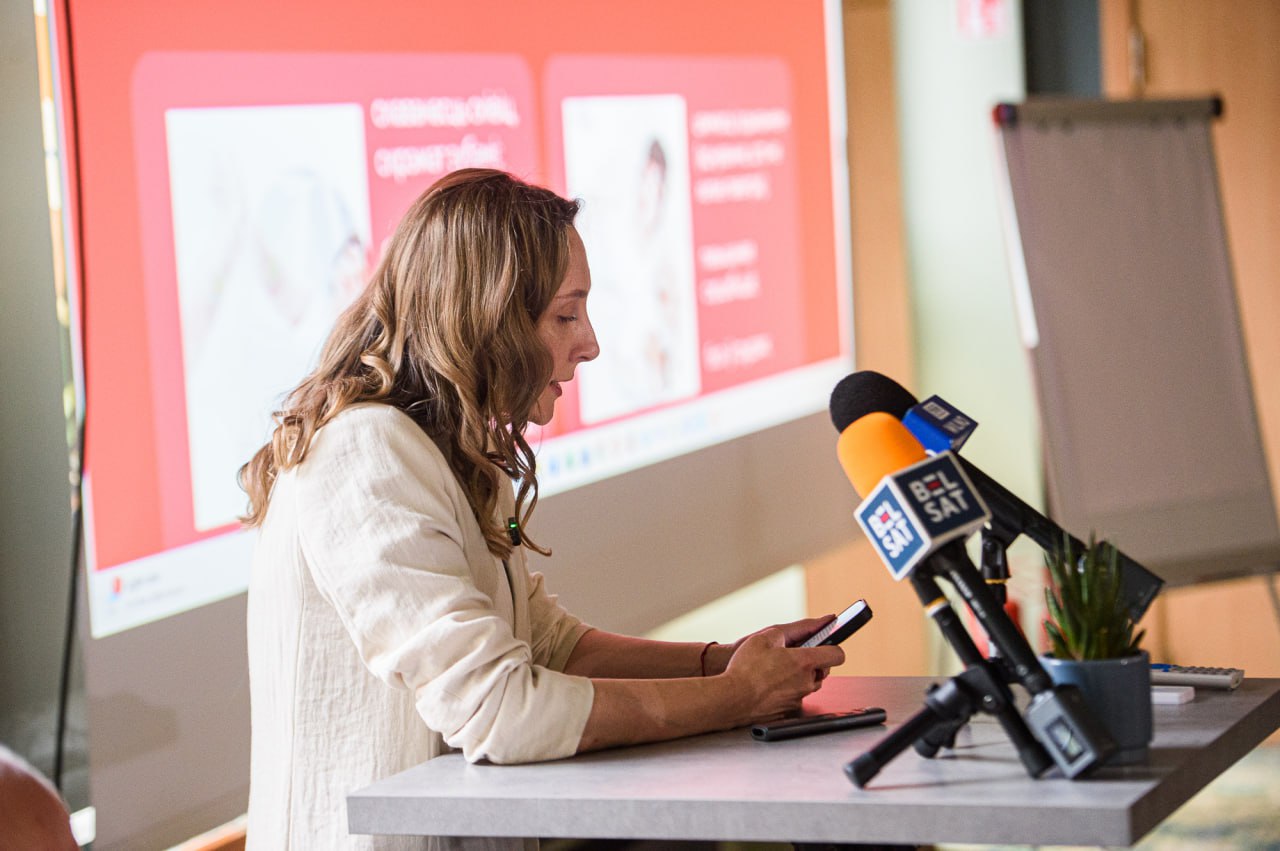
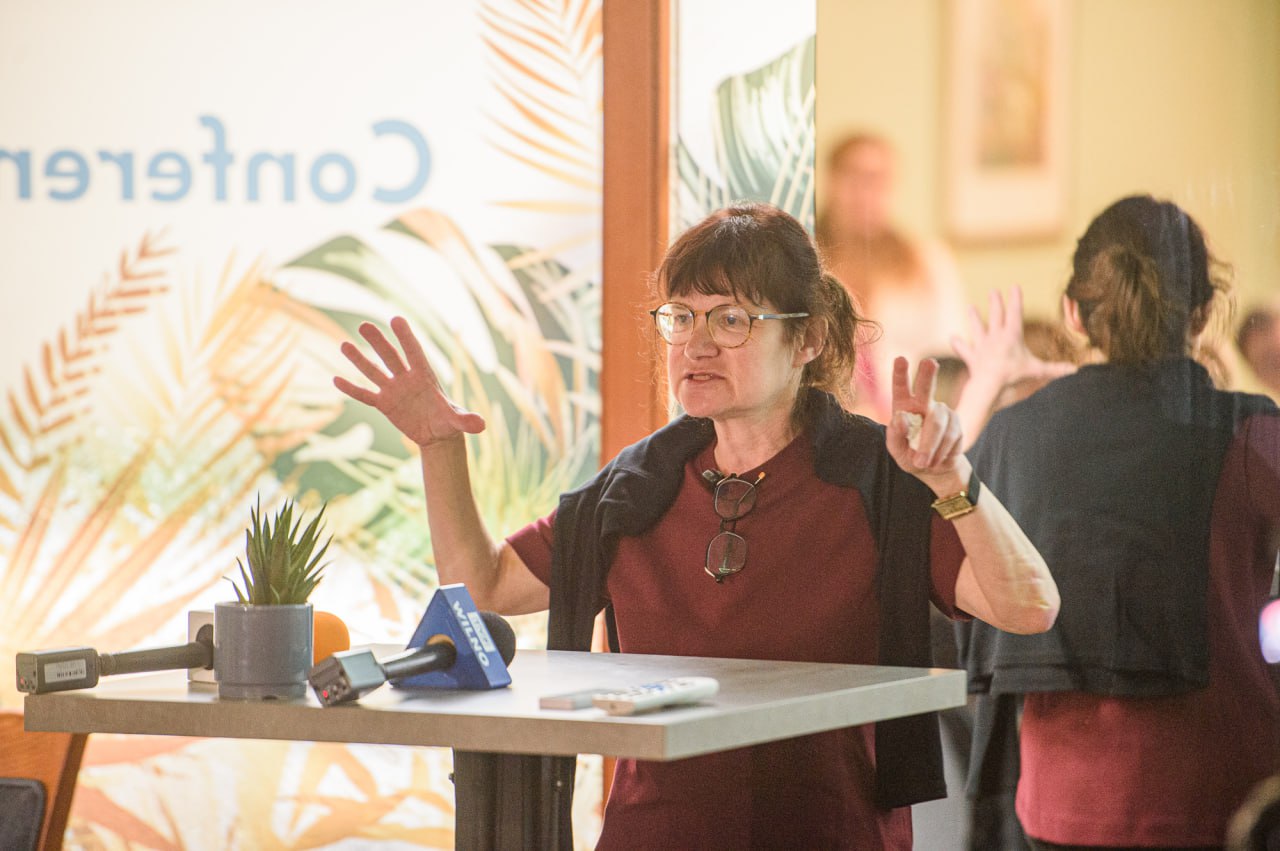
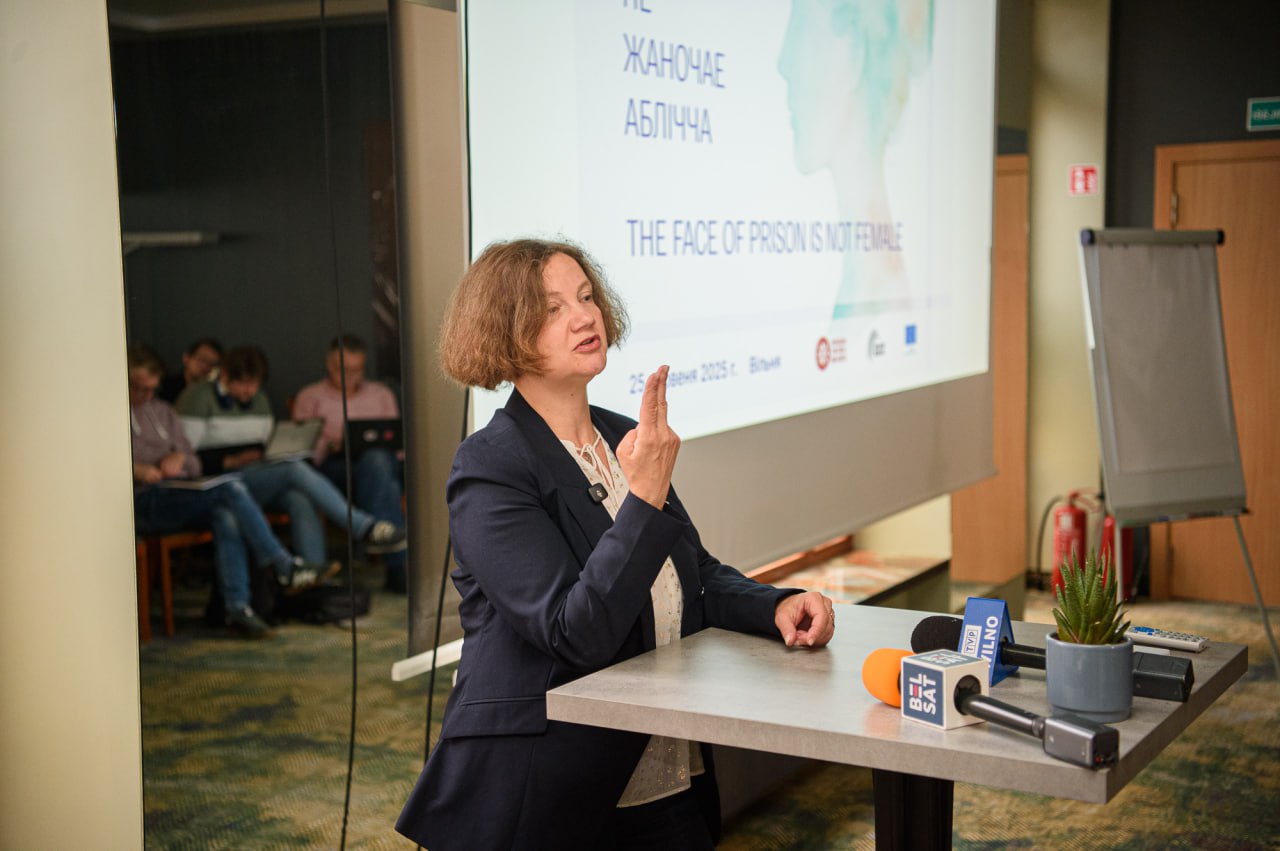
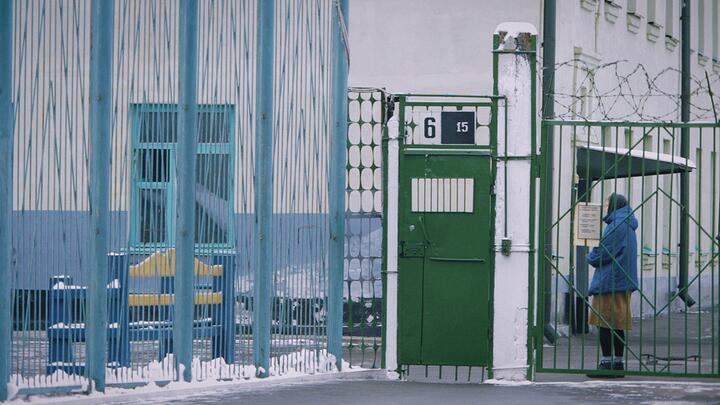
When people talk about Belarusian women’s penal colonies, the imagination pictures endless gray weekdays, monotonous work in the sewing industrial zone, and a harsh regime. However, behind the barbed wire of Gomel’s Penal Colony No. 4 (IK-4), there is a place that at first glance seems like a fragment of a completely different, peaceful life—the local school and college.
Our heroine Daria (name changed) explains how studying in detention works, what they teach there, and why 40-year-old women sit at school desks once again.
40-Year-Old Students
One of the most shocking realities for people with higher education who end up in the colony on political charges is the literacy level of the inmates there. It turns out that in modern Belarus, there are still women who haven’t even finished basic school.
“I never knew that there were so many women in Belarus who hadn’t finished school,” Daria shares her impressions. “They are required to go, so they attend school. And there, women in their 30s and even 40s go to learn to write, and they are issued state certificates.”
The oldest “student” in the colony that the speaker remembers was about 47–48 years old. For many of them, school in the penal colony is not just a mandatory chore, but the only chance to acquire basic survival skills for society.
The school in the colony is a branch of a regular Gomel secondary school. Teachers from the city come here, conduct lessons, assign homework, and issue standard state certificates (which list the regular number of a city school as the place of study, without mentioning the colony).
However, there is one huge problem: female students physically have no time to study. Work shifts at the factory haven’t been canceled, and personal time is strictly limited to watching state prison television (“Vektor TV”). As a result, textbooks have to be taken out at night, before going to bed.
College in IK-4: Two Specialties and Hidden “Perks”
According to the interviewee, besides the school, a vocational college operates on the territory of the colony and industrial area. Studies last one year. Women with a basic education are offered a choice between two specialties: seamstress (which is logical for the colony’s garment production) or hairdresser.
For young women (especially those who ended up behind bars at 18–19 years old under the “narcotics” Article 328 without any prior background), this is a real opportunity to be released with a trade. For example, after training as a hairdresser, inmates work in the local salon and cut the hair of the remaining 1,500 convicted women for free. Trimming one’s own bangs with scissors is strictly forbidden—you can receive a formal violation report for doing so.
In addition, student status provides legal “perks” inside the colony. School and factory work are combined by shifting to the appropriate work schedule (the factory operates in two shifts, the school in one). Most importantly, student inmates have fewer squad duty assignments, because on weekdays they are busy studying, so they only complete duties on weekends.
Politicals Denied
Despite the “resocialization” proclaimed by the administration, the system segregates prisoners. Thus, the path to vocational or higher education in the colony is effectively blocked for political prisoners.
Former female students who ended up behind bars for participating in protests tried to submit applications to the local college, but faced a strict and principled refusal from management: “No politicals.” Documents were simply rejected.
At the same time, the administration allows regular inmates (provided they have funds in their internal accounts) even more: ordering distance training courses in interior design or learning foreign languages using specialized study guides. Daria mentions that recently the colony has even claimed the possibility of remote higher education—though, again, exclusively for the “loyal” inmate population.