


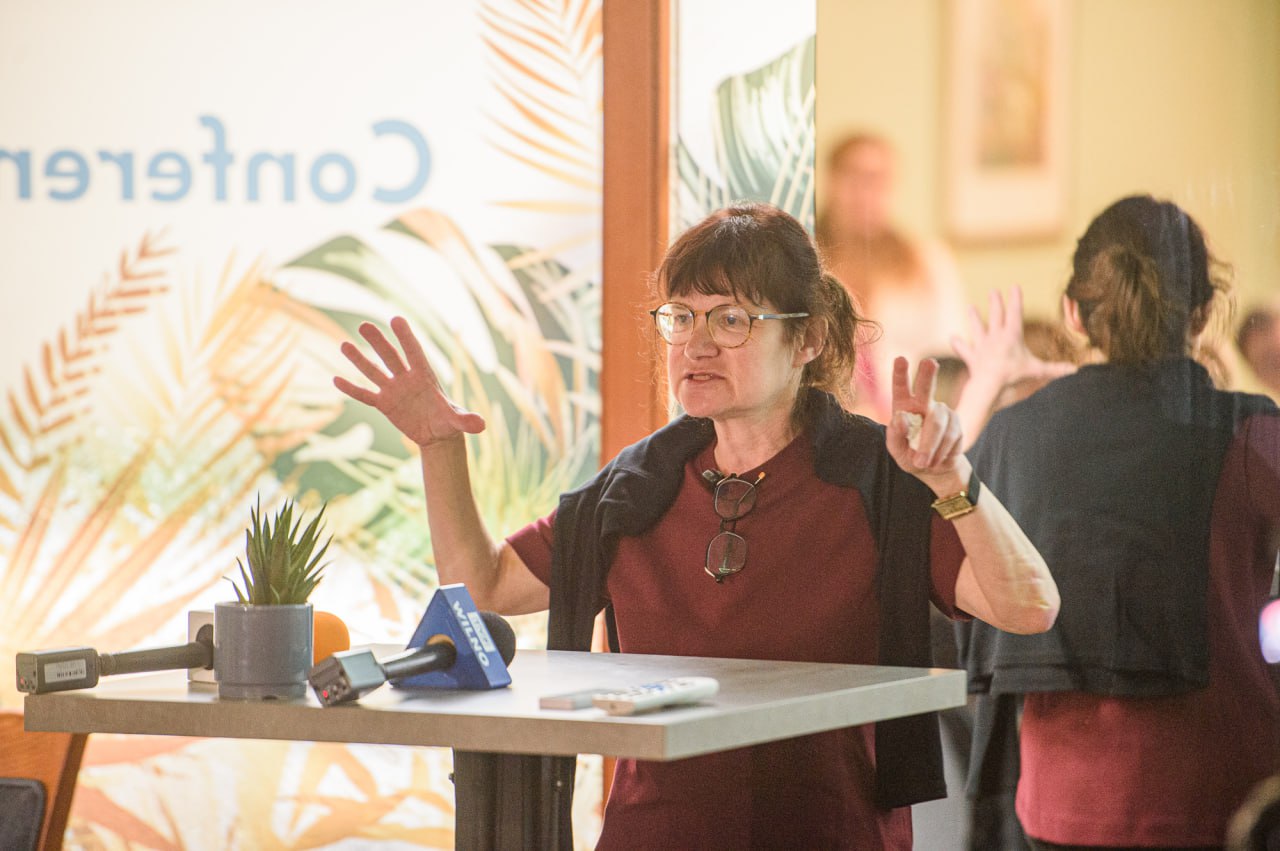
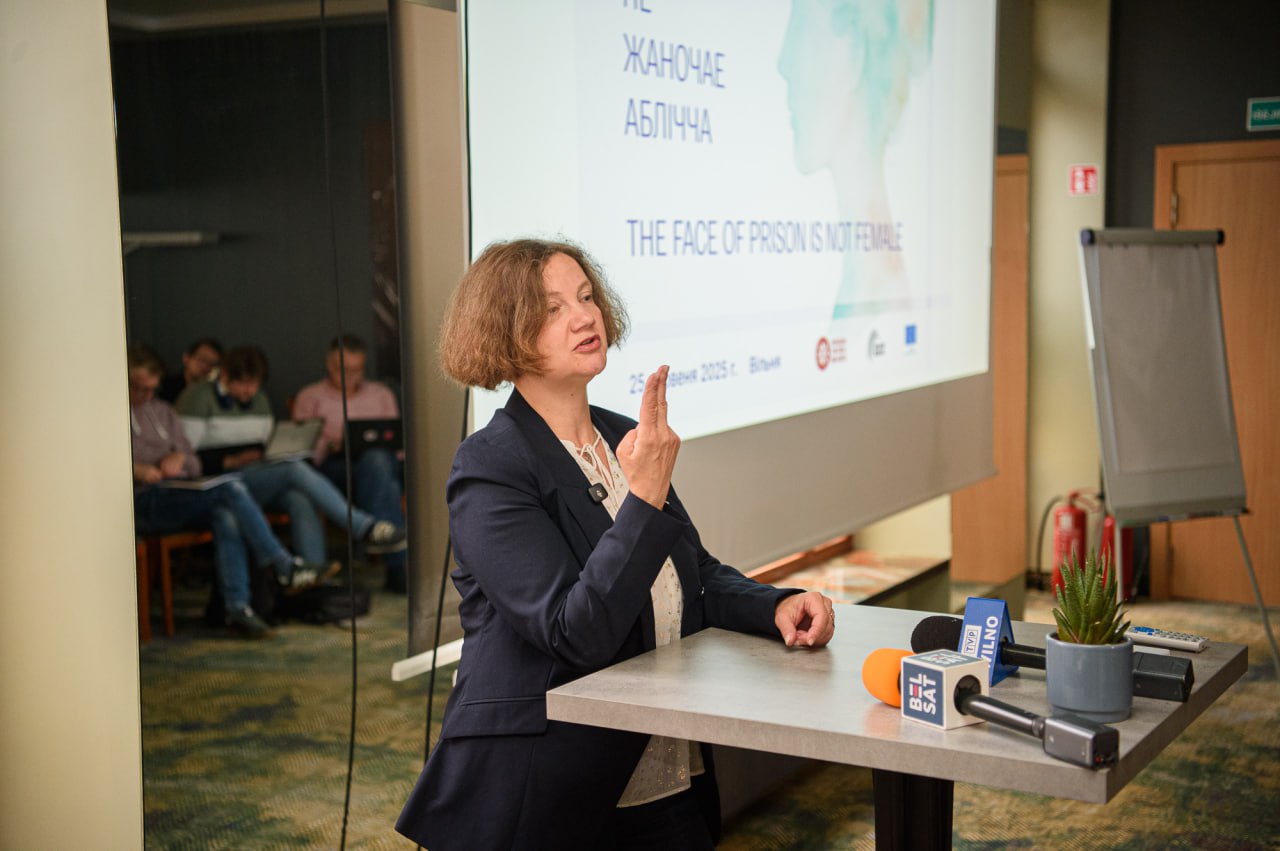
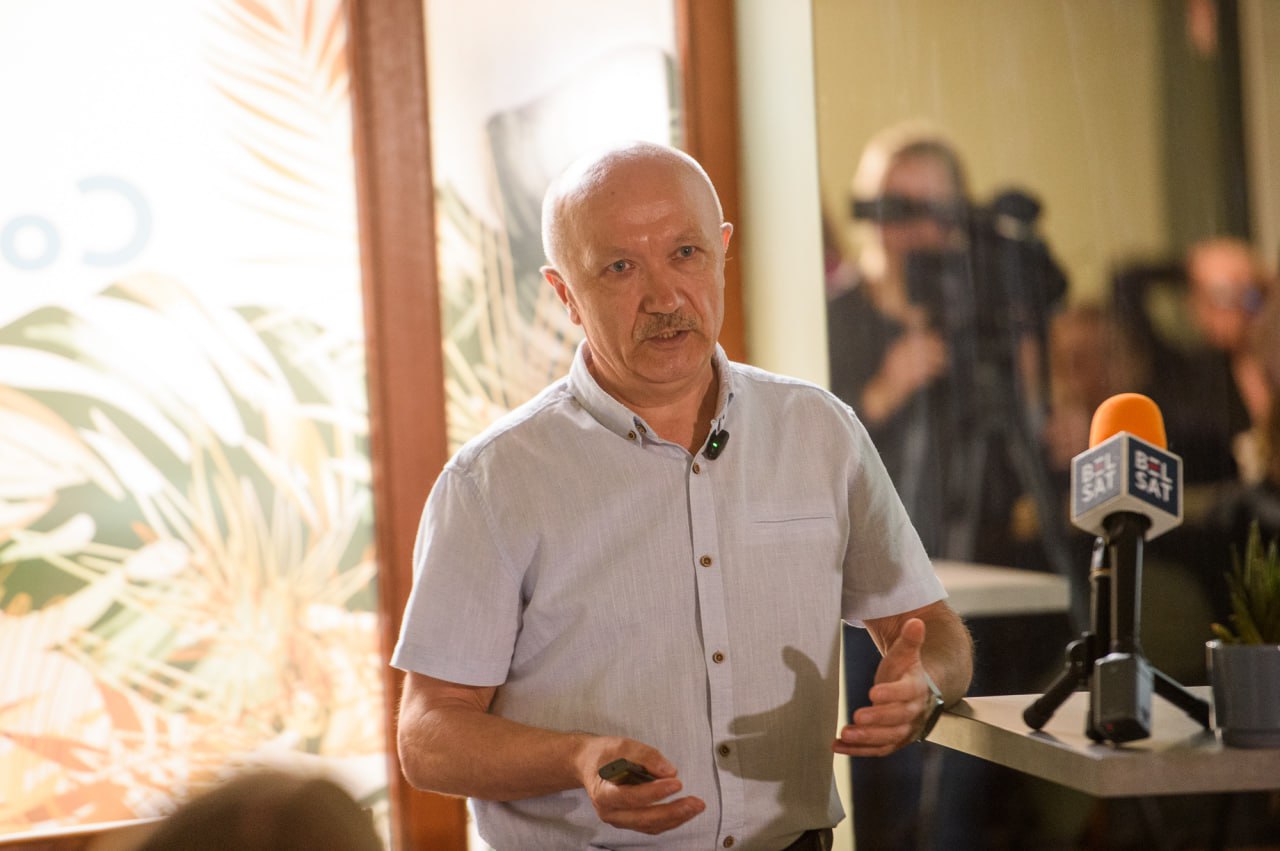

Psychologist Volha Vialichka
August 1 is World Friendship Day. But what does friendship look like behind bars?
Friendship behind bars is often perceived as a forced necessity for survival. In freedom, people say: “There are no friends in prison.” This phrase circulates in the barracks themselves, is passed from guards to prisoners, and becomes mixed with rumors and suspicion. Therefore, the first thing a newcomer does when entering such a place is trust no one. Because the system is designed this way: the less support there is between people, the easier it is to control them.
And yet friendship still emerges. Sometimes simply because someone shared food or said a supportive word. In women’s colonies, there is a rule known as “alienation–appropriation,” meaning: do not take what belongs to others, and do not ask anyone for anything. That is why any human warmth there is worth twice as much.
Everyone fears informants. No one ever fully knows who will go to the operative officer and what they will report. Because of this, friendship becomes even more fragile, and sometimes even impossible. The system pushes people to suspect rather than support one another.
Outside prison, people view this differently. Some believe prison friendship is genuine, because if someone becomes close to you under such conditions, then it must be real. Others treat it with caution, thinking that everything connected to prison is “tainted.” But for those whose loved ones are behind bars, any friendship there is a breath of air — knowing that рядом with your person there is someone who will not let them break.
Forced friendship
“Family-like bonding” is a phenomenon when two prisoners share parcels and support one another. It is more characteristic of men’s colonies. Their relatives often stay in contact and send parcels for both of them. This gives a sense of support and safety in prison, above all the ability to eat.
Prison reduces a person’s social world to very simple, often primitive things. Good coffee becomes a luxury. Sour cream or other dairy products are hardly accessible. Therefore, food itself becomes a luxury — something more, something that reminds one of freedom and of moments of happiness associated with traditions of meals.
The psychological mechanism of such “family bonding” is driven by the need to survive in harsh prison conditions. Forced isolation and lack of resources compel prisoners to seek support in one another, to share what they have, so that it becomes easier to endure hardships together. Such a connection gives a sense of safety and belonging, reduces stress and loneliness. It is a form of adaptation to hostile conditions, where reliable relationships can save a person physically and emotionally. This is the basis upon which friendship forms.
Psychological mechanisms of friendship behind bars
Friendship behind bars can be explained by the fact that a person in prison exists under total control and a deficit of closeness. Under these conditions, several key processes are activated:
- Search for safety and support
A closed space, lack of privacy, and constant danger create a high level of anxiety. Friendship becomes a natural attempt to find “one’s own person” in order to feel at least minimal protection. - Shared trauma
A common experience of suffering and injustice creates an “invisible bond.” People begin to understand each other without words, because they live through similar emotions — fear, shame, anger, helplessness. - The need for a witness to one’s existence
When a system humiliates a person, it is important that someone sees you as “alive.” A friend in prison confirms that you are still a human being, not just a number. - Sharing resources and information
In prison even small things (coffee, a letter, news) carry enormous value. Willingness to share strengthens bonds and creates mutual obligations that поддерживают friendship. - Resistance to the system through humanity
When the authorities build relationships on mistrust and informing, any friendship becomes an act of quiet resistance — a way to preserve inner freedom.
Friendship in captivity is a complex phenomenon combining sincerity, pragmatism, and survival. It can be a source of support and solidarity, but also a cause of disappointment and conflict. In Belarusian reality, friendship often forms against the background of constant surveillance and distrust, where people must weigh every word and action. Therefore, friendship in a penal colony is not simply a personal choice, but part of the survival mechanism within a system that constantly tries to crush human solidarity.
Friendship behind bars is not only about survival. It often becomes a way to preserve humanity in an environment where everything is aimed at destroying it. People become friends in order to remember who they are outside the walls: a husband, a wife, a father, a mother, a friend.
Machine translation from Belarusian.