
beruen
beruen
Doctors for Human Rights

Doctors for Human Rights

We research to change

We research to change

Medicine without violence

Medicine without violence

Ethics and conscience in the penitentiary system

Ethics and conscience in the penitentiary system

We document, analyze, change

We document, analyze, change

The Right to Health is not a privilege,<br>it is the norm

The Right to Health is not a privilege,
it is the norm

Scientific view on problems<br>behind bars

Scientific view on problems
behind bars

A patient's trust in their doctor<br>is the basis of medicine

A patient's trust in their doctor
is the basis of medicine

Treatment or Punishment?<br>Witnesses include people and documents

Treatment or Punishment?
Witnesses include people and documents

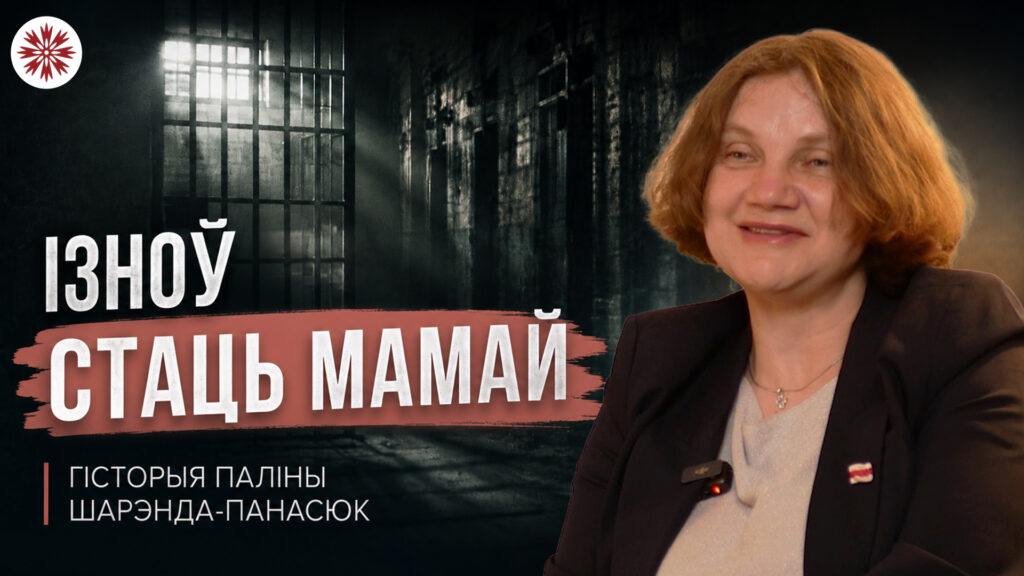
[Video] “He Only Asks Me to Read a Bedtime Story.” How to Become a Mother Again After 4 Years in a Penal Colony

For a woman behind bars, her family and children represent the most precious, yet also the most vulnerable, part of her life. That is precisely why the prison system cynically uses motherhood as a tool for psychological blackmail and coercion. Instead of supporting and strengthening family ties—which are a key element of genuine resocialization—the system offers to “take care of the children” in exchange for hypocrisy and cooperation.

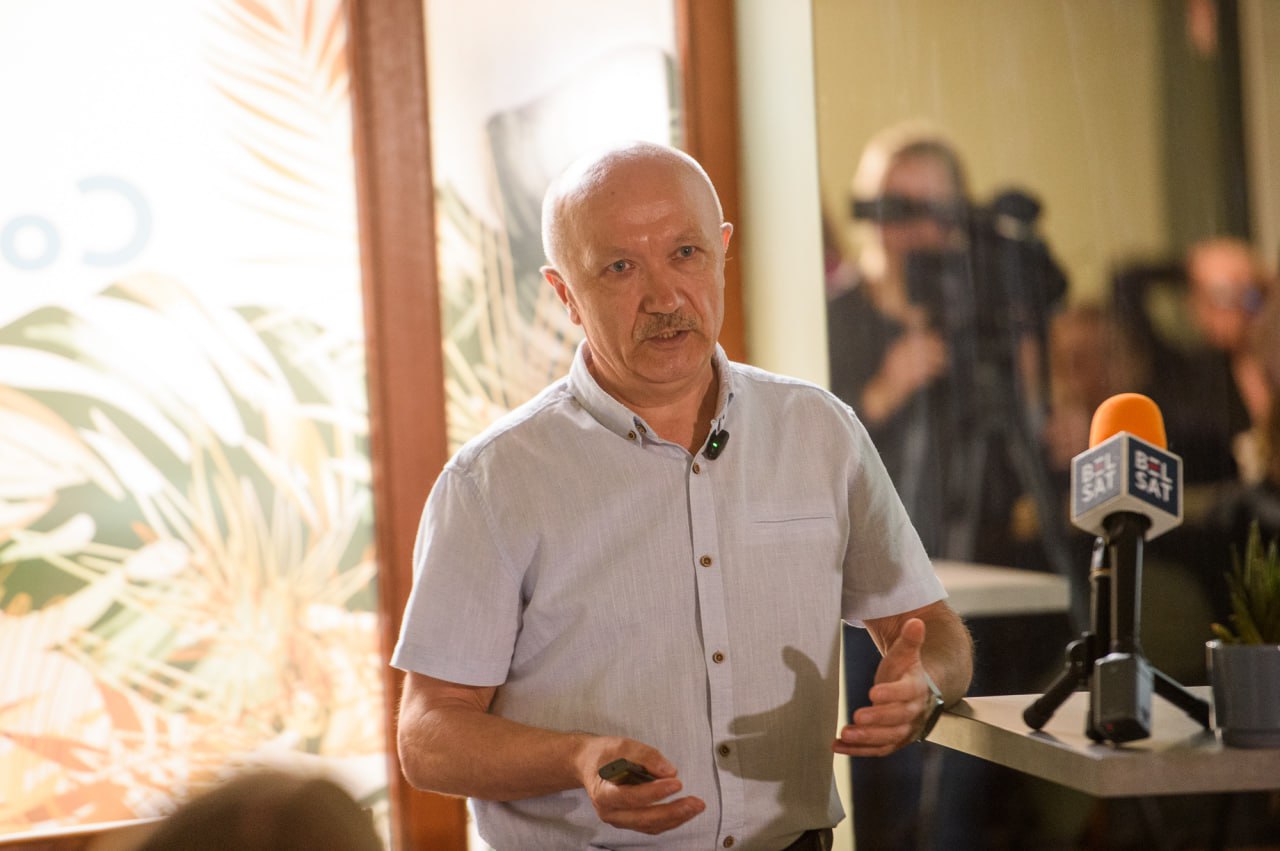
Former political prisoner Palina Sharenda-Panasiuk and expert Vasil Zavadski speak candidly about the tactics used by colony administrations and the reality a mother faces upon returning home to her family.

Scriptwriter, Camera Operator, Editor: Max Morrisson

Interviewer of Palina Sharenda-Panasiuk: Volha Vialichka