
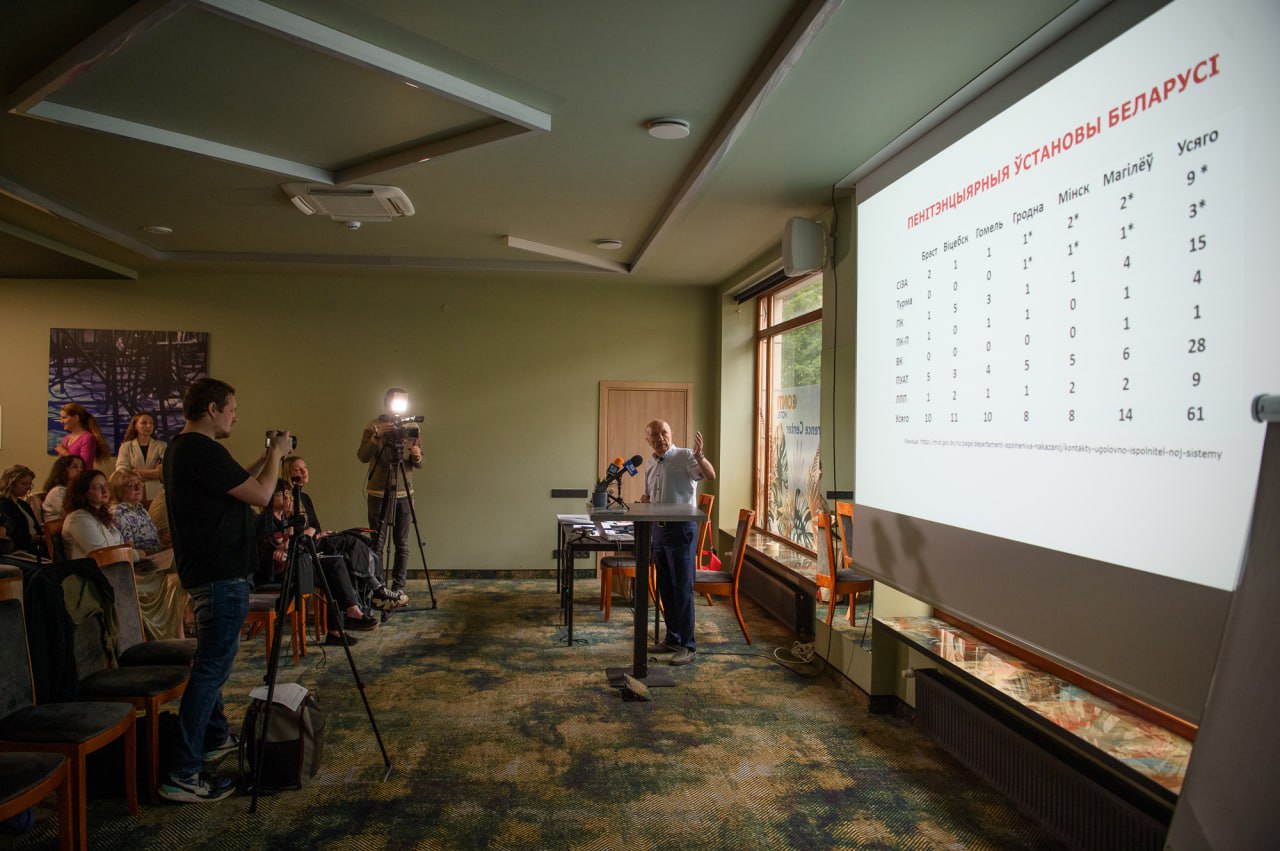
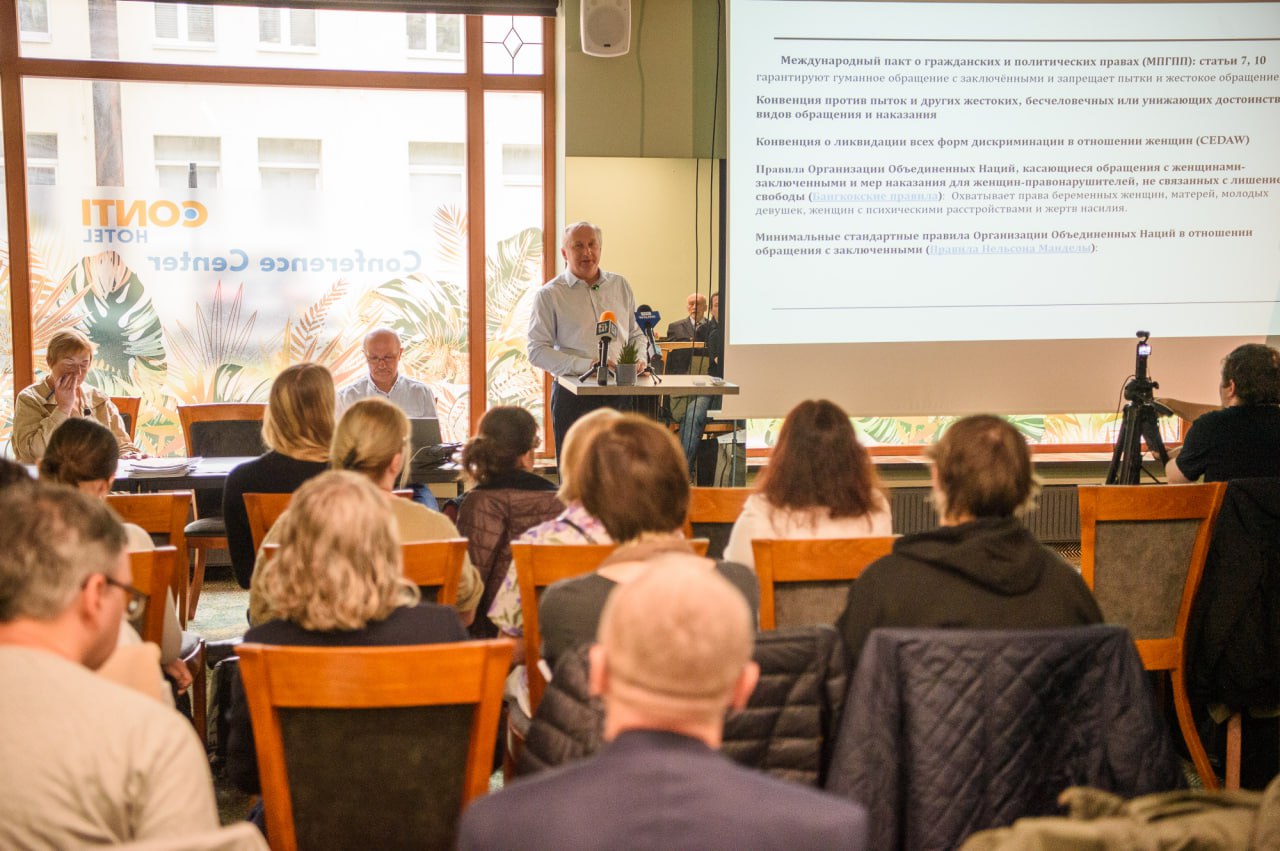
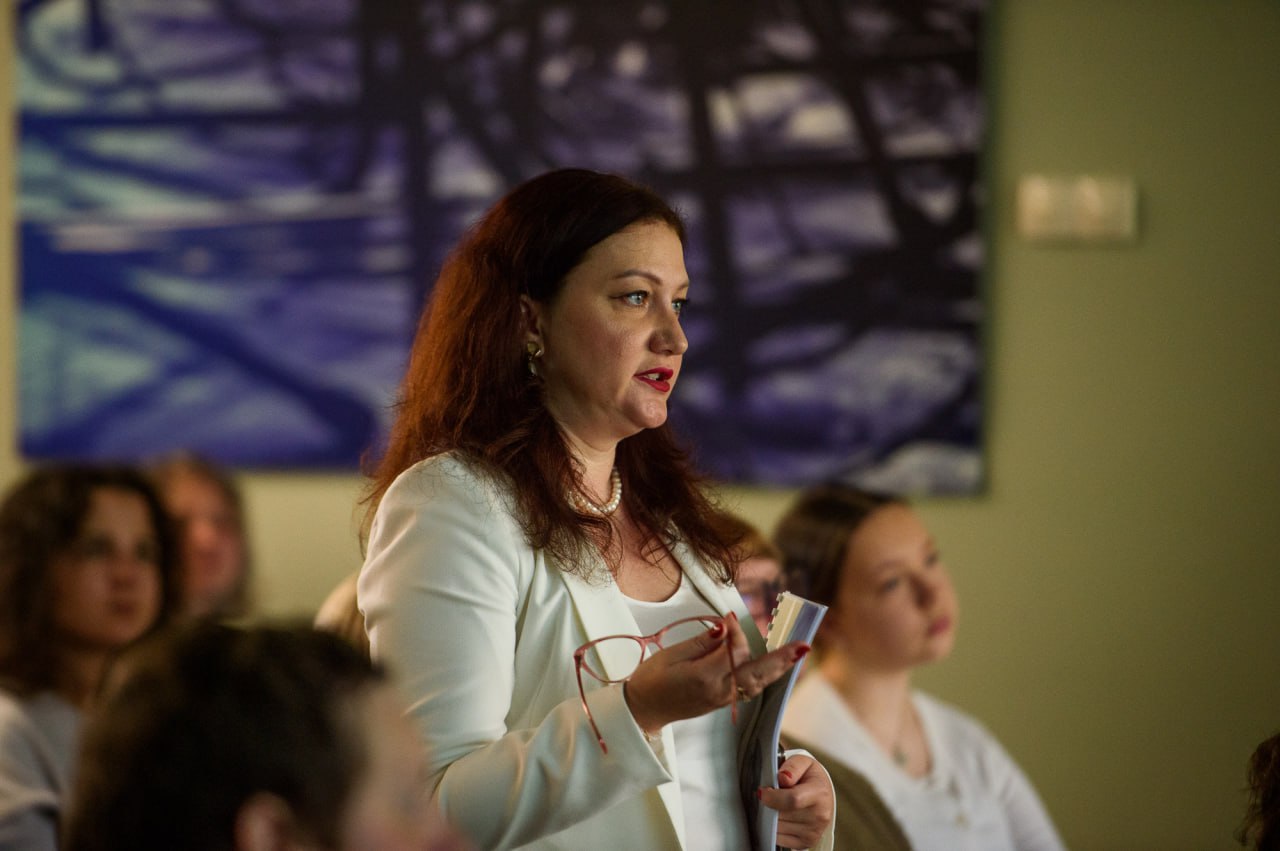
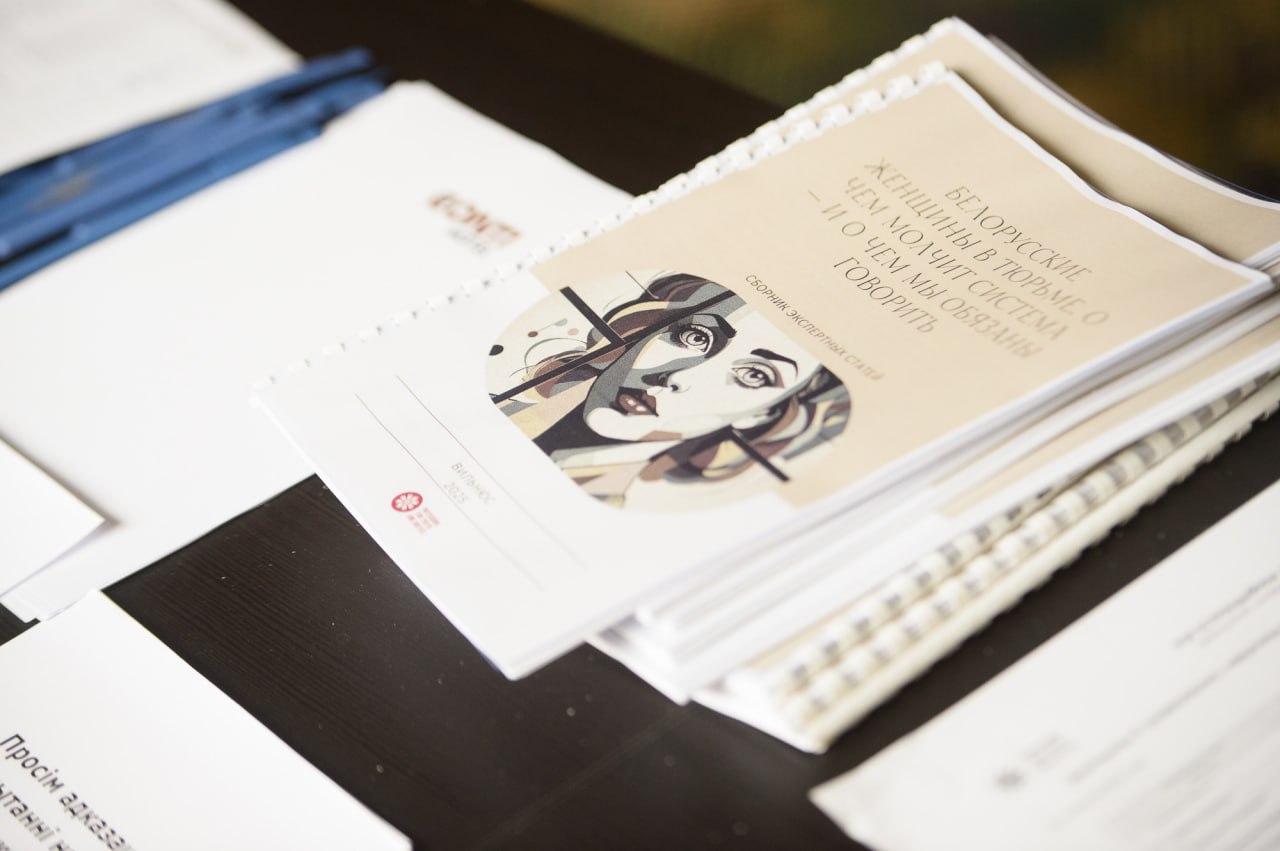
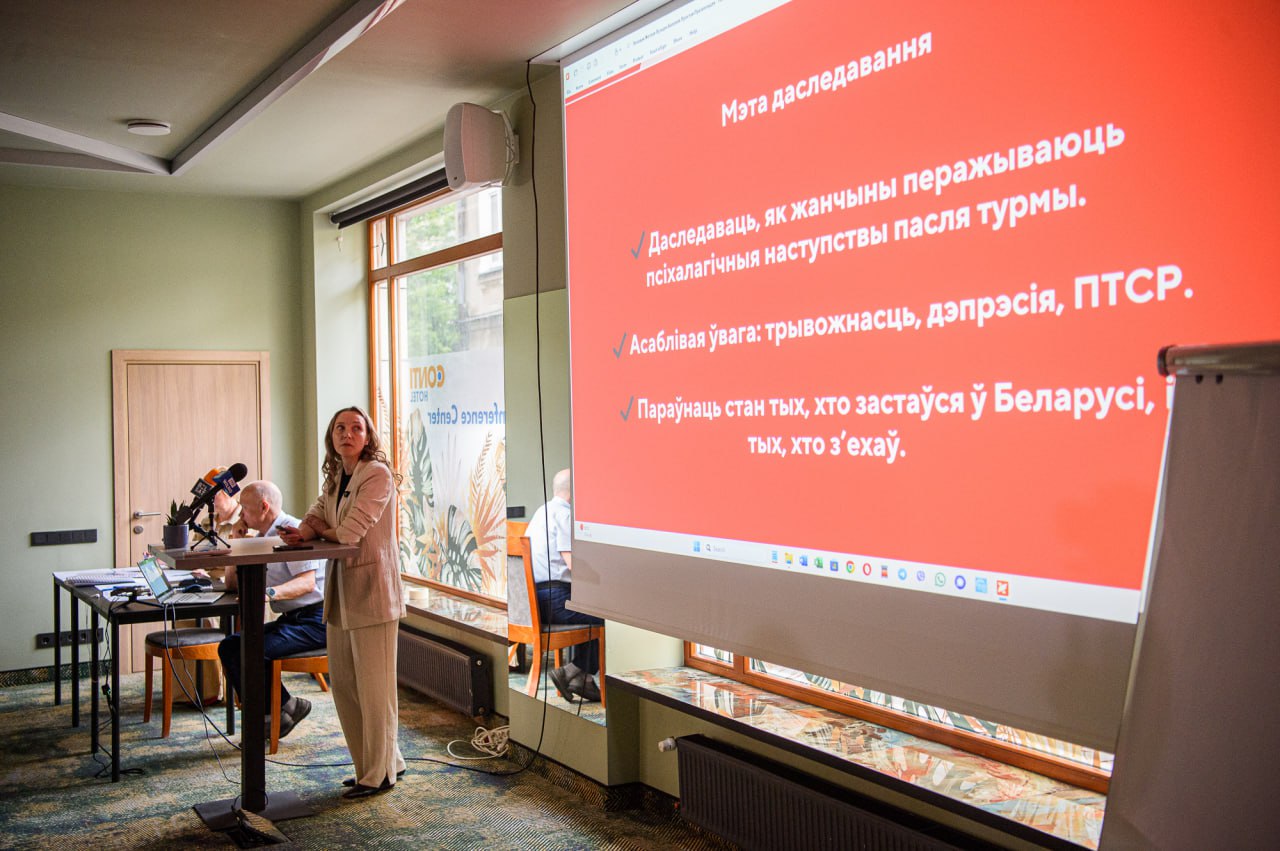
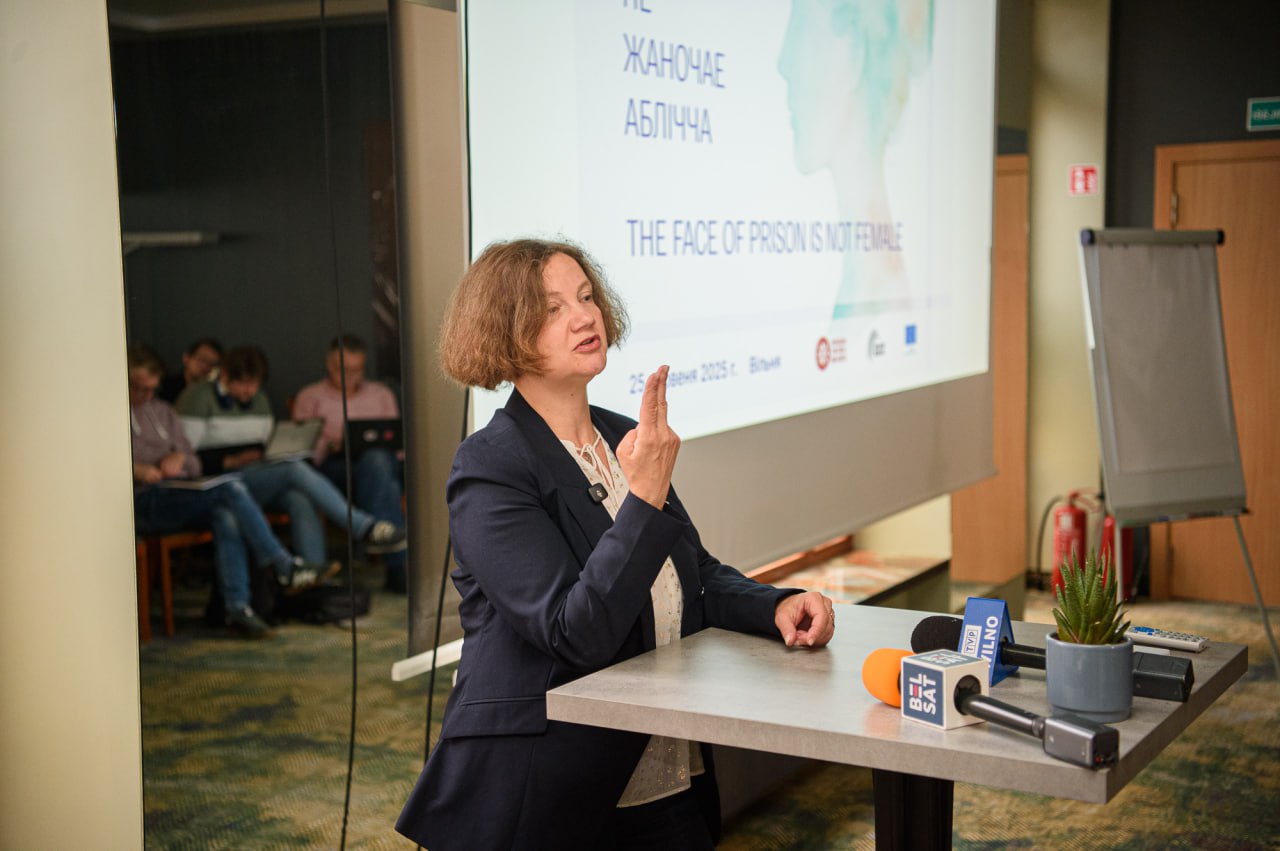
Former political prisoner and human rights defender Marfa Rabkova, who served her sentence in a female penal colony, described in detail the labor organization system for convicts. Her testimony shatters the popular stereotype that prisoners live on taxpayers’ money. According to Rabkova, women not only fully cover the state’s expenses for their upkeep, but also generate additional profit.
“I always react strongly to comments when people write that prisoners are [supported] by our taxes. I can say with certainty that they are not. They not only pay for themselves, but they also provide surplus funds that are spent somewhere,” the human rights defender emphasizes.
Remuneration: From 4 Kopecks to 70 Rubles
The payroll system in production is complex and multi-tiered. At the initial stage, convicts’ earnings are minimal. Marfa recalls that for her first workday, she was credited 17 kopecks, of which she was able to receive only 25%—just 4 kopecks. During the first three months, a woman is listed as an apprentice: during this period, earnings amount to 2–3 rubles, of which about 50 kopecks are transferred to her personal account.
Final pay depends not on individual efforts, but on the output of the entire brigade and the number of fully accepted finished products per day. This generates conflicts within the team: women who want to earn money demand high speed from those who work slowly or do not want to sew.
Opportunities to increase income are severely limited, especially for political prisoners. There are extra work shifts in the colony (“work orders”), where one can earn more, but prisoners with “extremist” status were banned from them. At the same time, individuals included in the lists of “terrorists” are deprived of the right to receive money transfers from their relatives.
“My best wage in garment production over all those years, which I received in hand, was 70 rubles. But I sewed a lot and I sewed well, and that required working extremely hard on the shift. I was, of course, interested in this because I wanted vegetables, fruits, dairy products… When you get one ruble for a month, you go to the shop and think a lot about what on earth to buy with those funds,” Rabkova shares.
Working Conditions: Unbearable Heat and Burning Motors
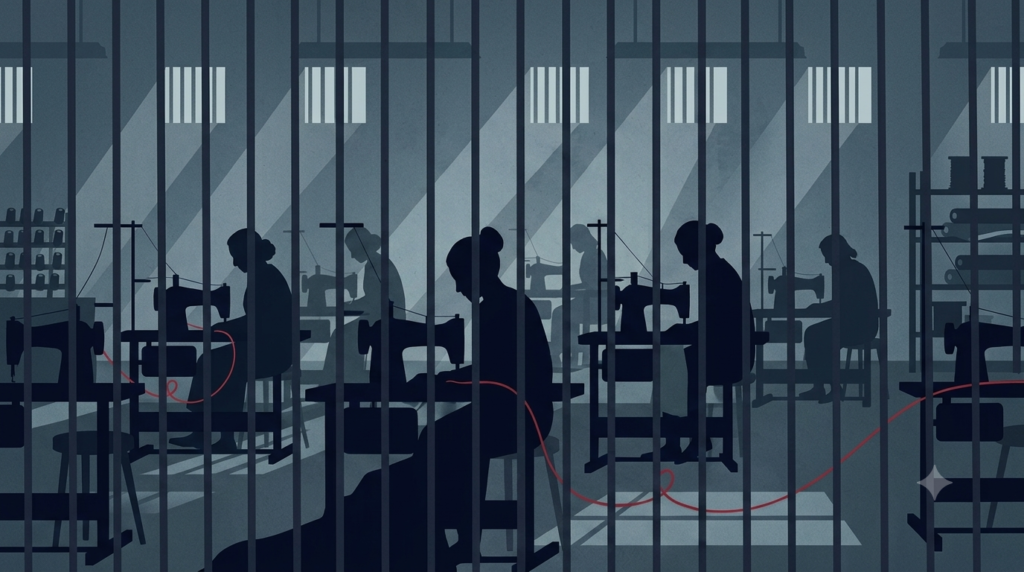
In addition to low wages, women face harsh working conditions. During periods when part of the workshops was closed for repairs, sewing machines were set up in the aisles, creating overcrowding and a lack of space.
Summer heat is a critical factor. According to Rabkova’s observations, the thermometers in the workshops do not register the real temperatures.
“The heat there is, of course, colossal. There are thermometers there, but it seems to me that they are magic thermometers in which the mercury rises only up to a certain point, and then it doesn’t move any further. It was funny when the equipment couldn’t take it, but the people could. That is, the machines were already burning, the motors were burning, or the equipment started working with obvious flaws because it overheated. Yet the prisoners stubbornly kept sewing,” the human rights defender describes the conditions.
The Human Factor as a Foundation for Survival
Despite the harsh conditions, the atmosphere in production largely depends on the forewomen and mentors. Under adequate leadership, women could adapt and even find satisfaction in their work. Under unstable mentors, the training process was accompanied by insults. Marfa herself was also a mentor at the factory.
“I was once intentionally assigned a person with a disability. Her left hand didn’t work… They said rather maliciously: ‘Well, Rabkova, show us your pedagogical skills’. And my girl started sewing better than people who were expected to understand how to do it faster. I had a person with an extremely asocial lifestyle, and with a non-functioning hand on top of that. And yet she successfully started sewing—simply because she was treated kindly and with warmth,” Marfa says.