
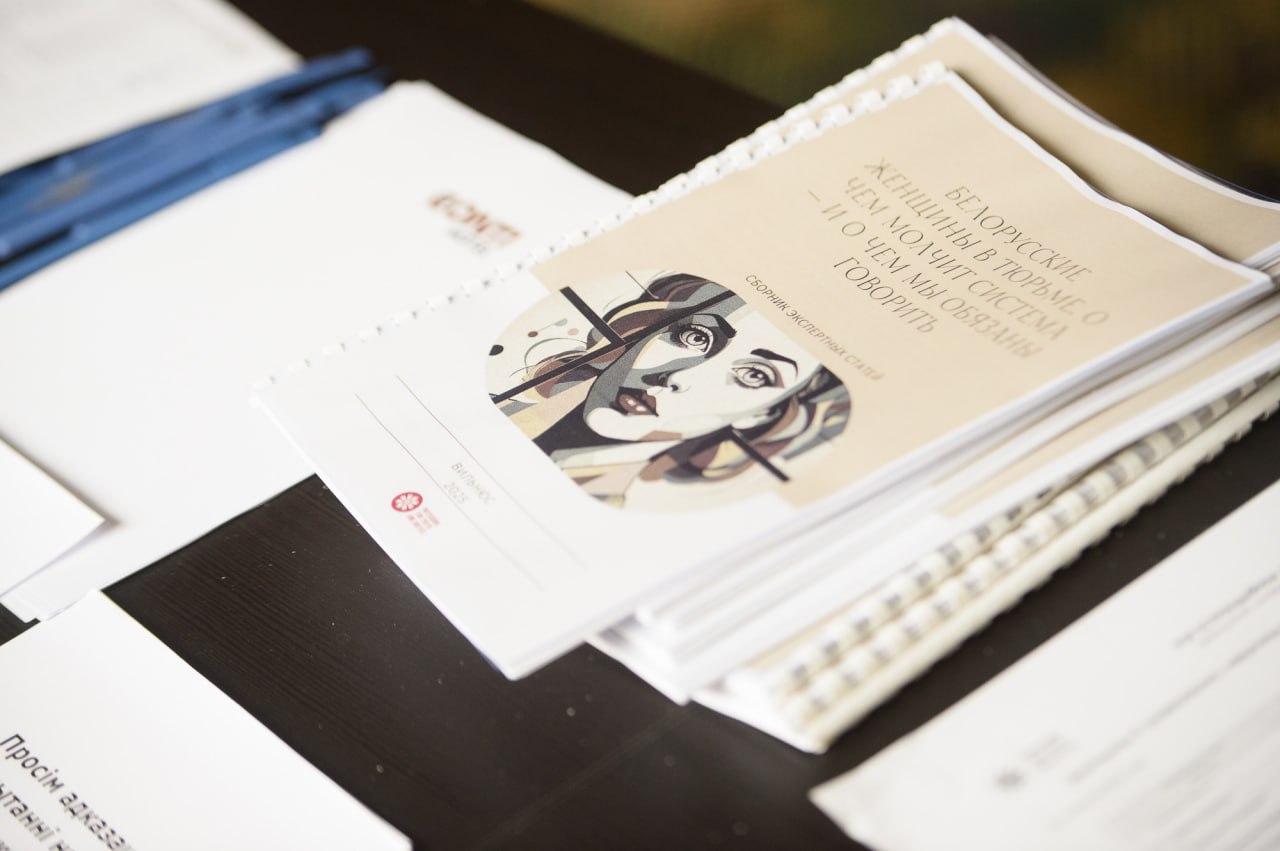
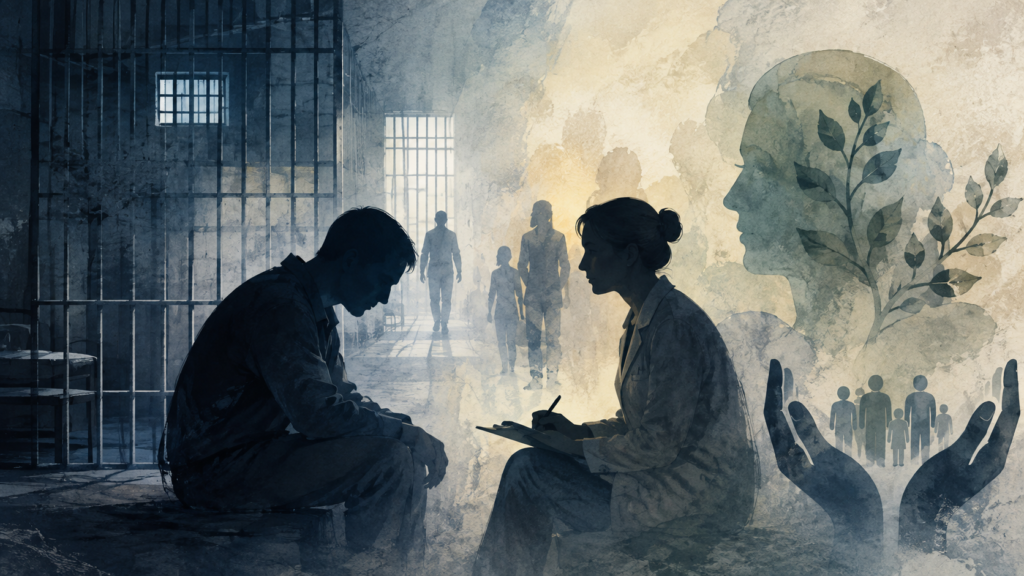
The study “Psychological Support in Belarusian Prisons: An Analysis of Practices and Limitations” provides a comprehensive examination of the mental healthcare system within the country’s penitentiary institutions. Based on an analysis of the legal framework, international standards, and testimonies of former prisoners (including political prisoners released in 2024–2026), psychologist Volha Vialichka exposes a profound gap between the declared goals of psychological support and actual penitentiary practice. The publication analyzes the key barriers faced by inmates under conditions of prolonged stress and isolation, while also assessing the accessibility of care for various vulnerable groups.
The main focus of the research is on the systemic contradictions of the Belarusian model, where a prison psychologist simultaneously serves as a support specialist and an officer of control. The lack of confidentiality guarantees, the use of interview results to draft administrative evaluations, and the absence of trauma-informed approaches destroy trust in the psychological service. The author offers practical recommendations for reforming the system, emphasizing the need to separate therapeutic and supervisory functions, ensure the independence of experts, and establish long-term post-release rehabilitation programs.