
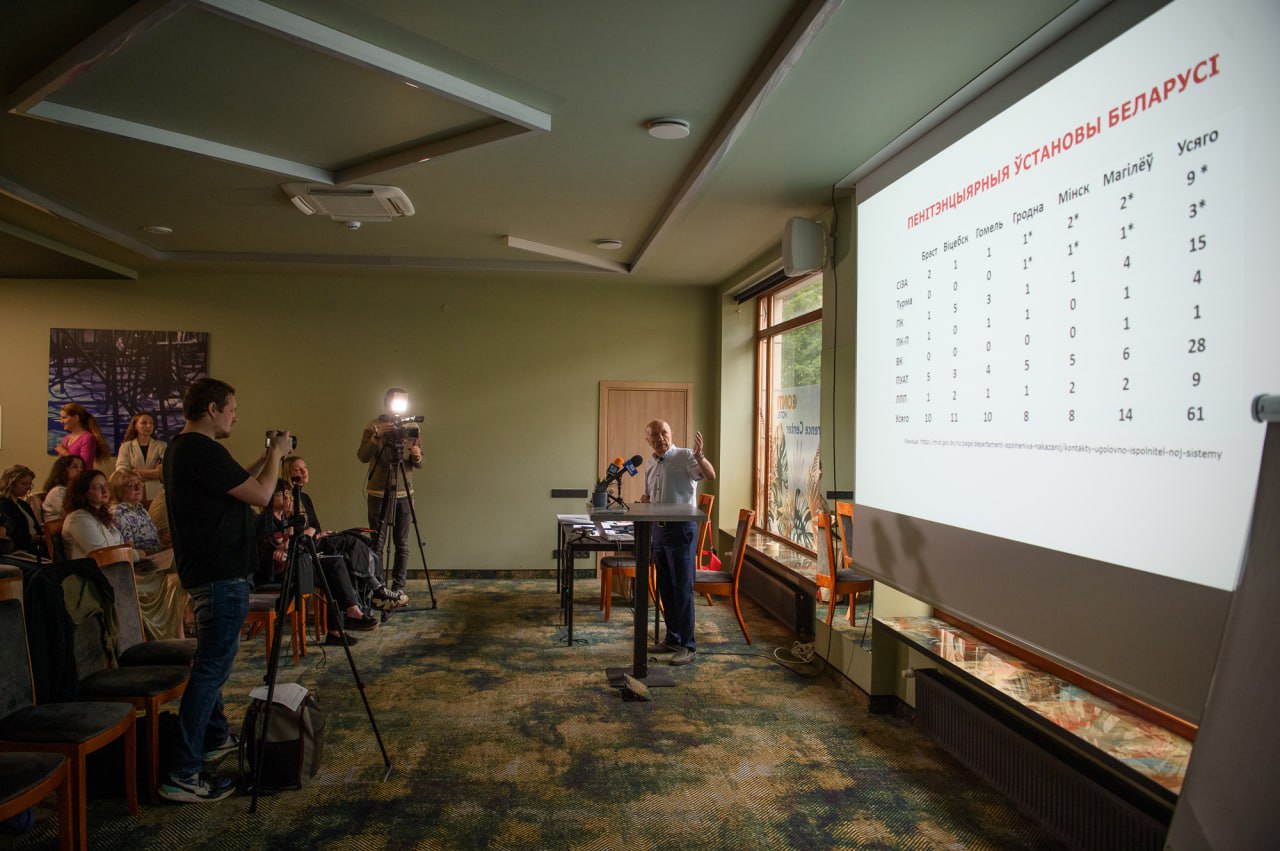
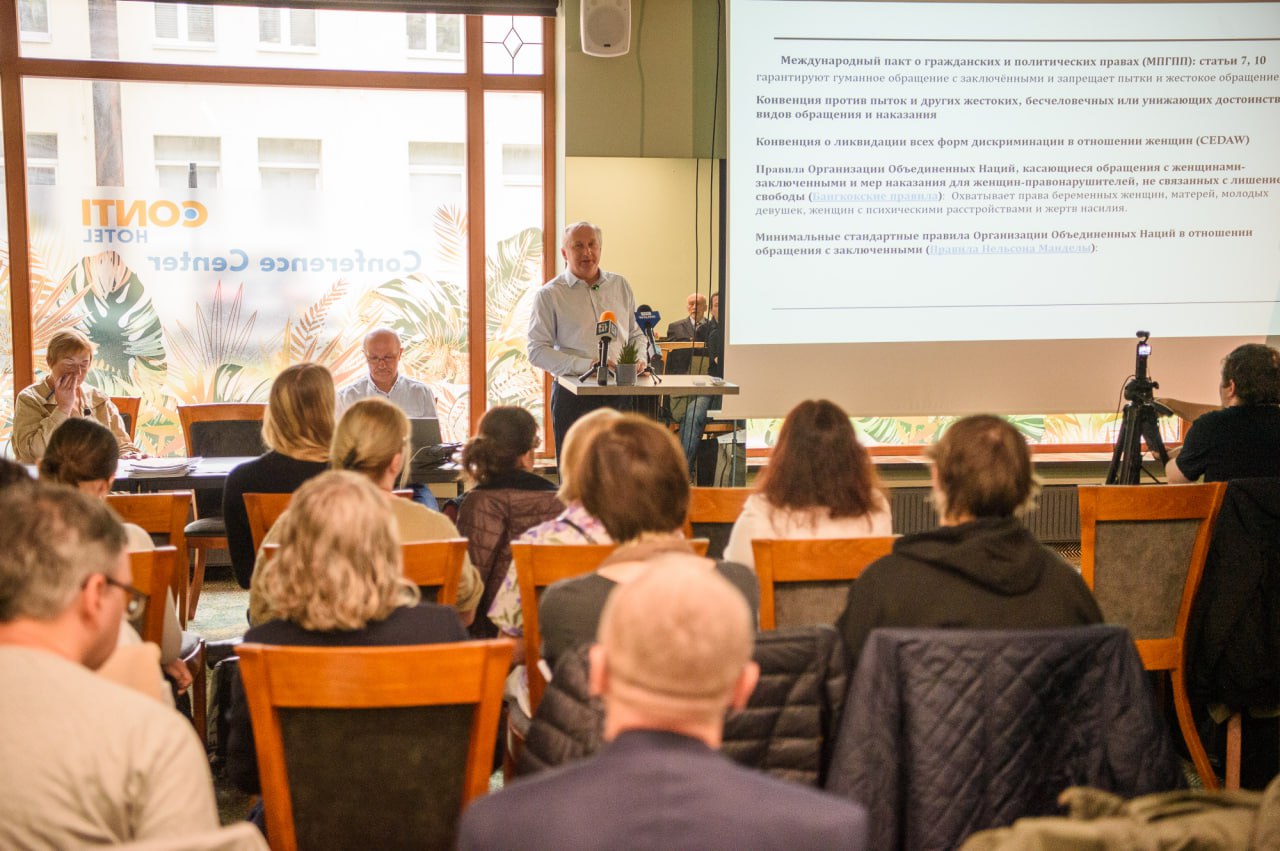
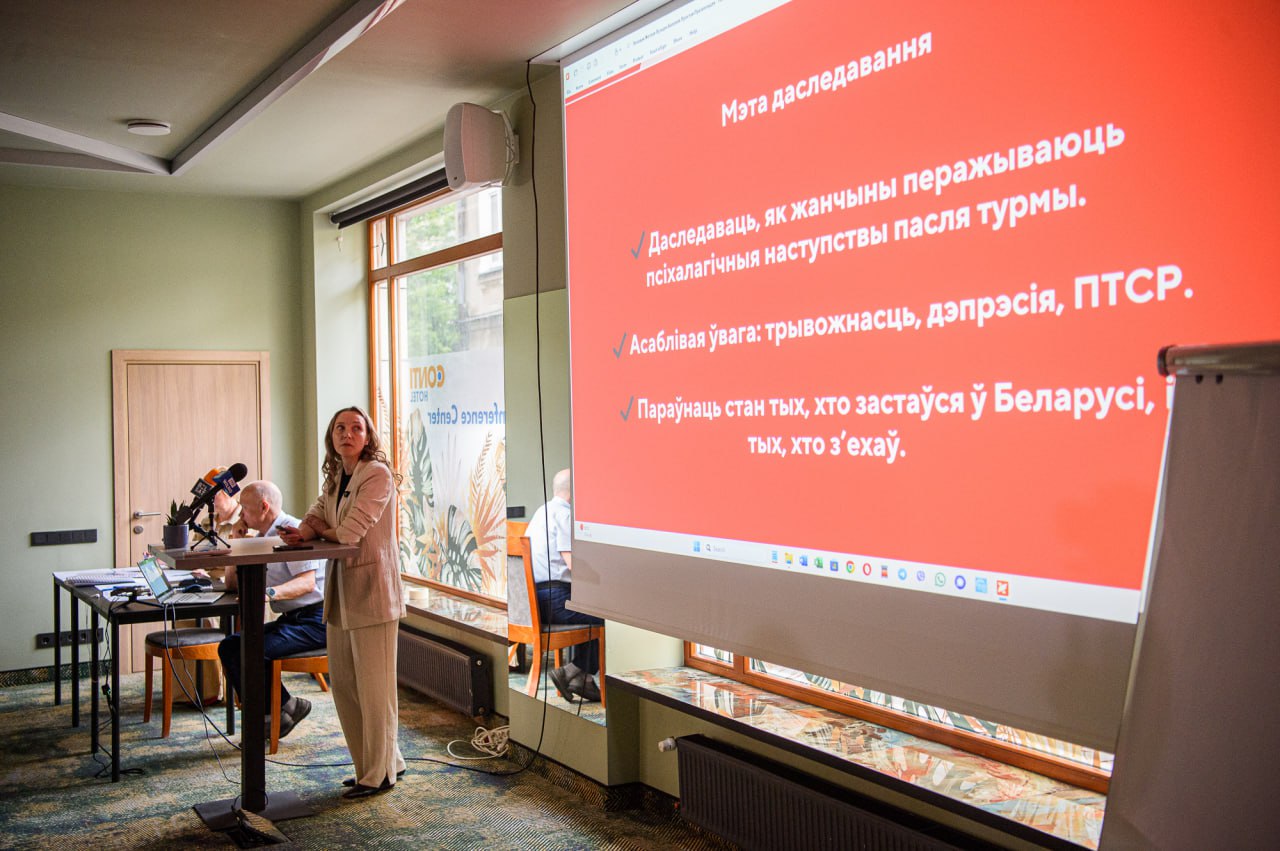

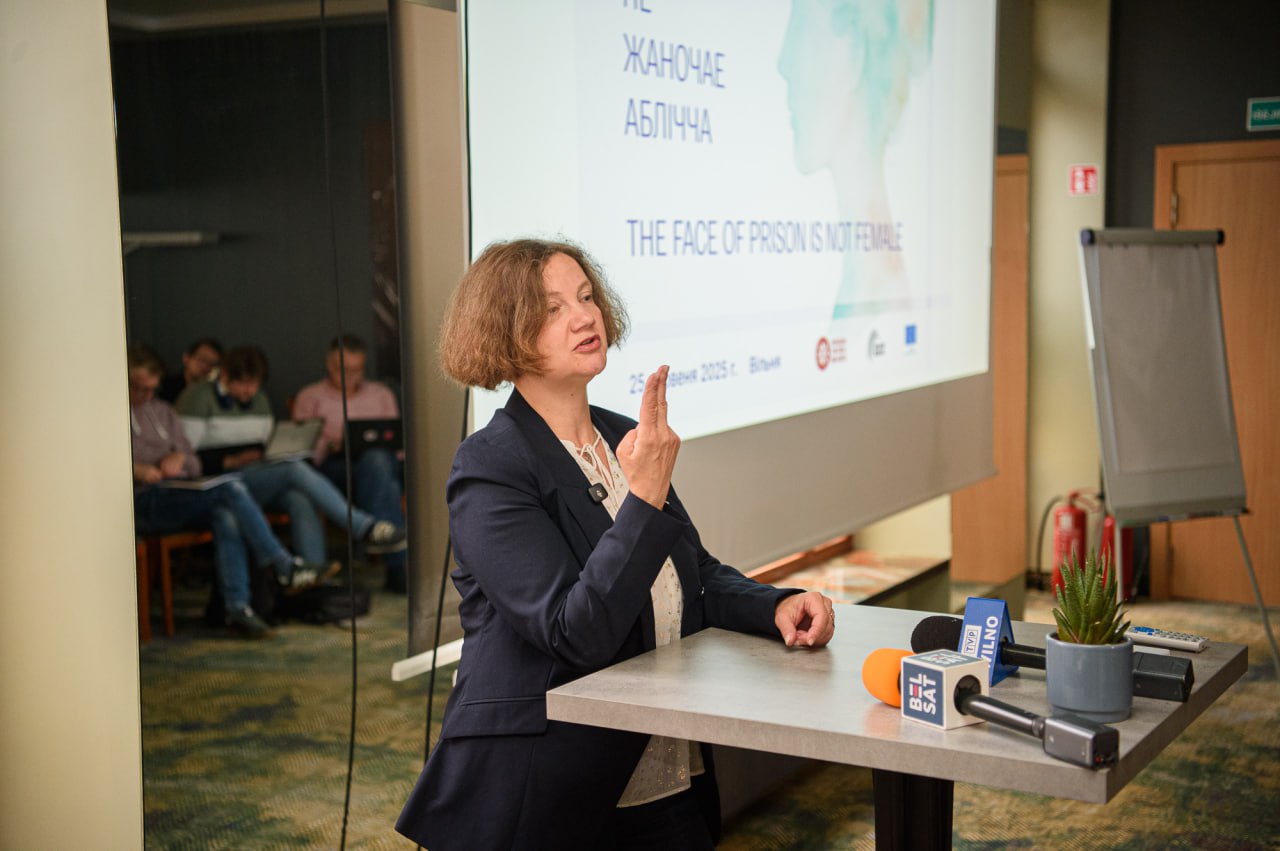

Among the main areas of activity of our organization, a significant place is occupied by conducting expert research on particularly pressing issues of penitentiary medicine and psychology. We do this not “for form’s sake,” but in order to provide interested parties — experts, human rights defenders, as well as decision-makers in these fields — with professionally substantiated information that can be used to humanize the penitentiary system of Belarus.
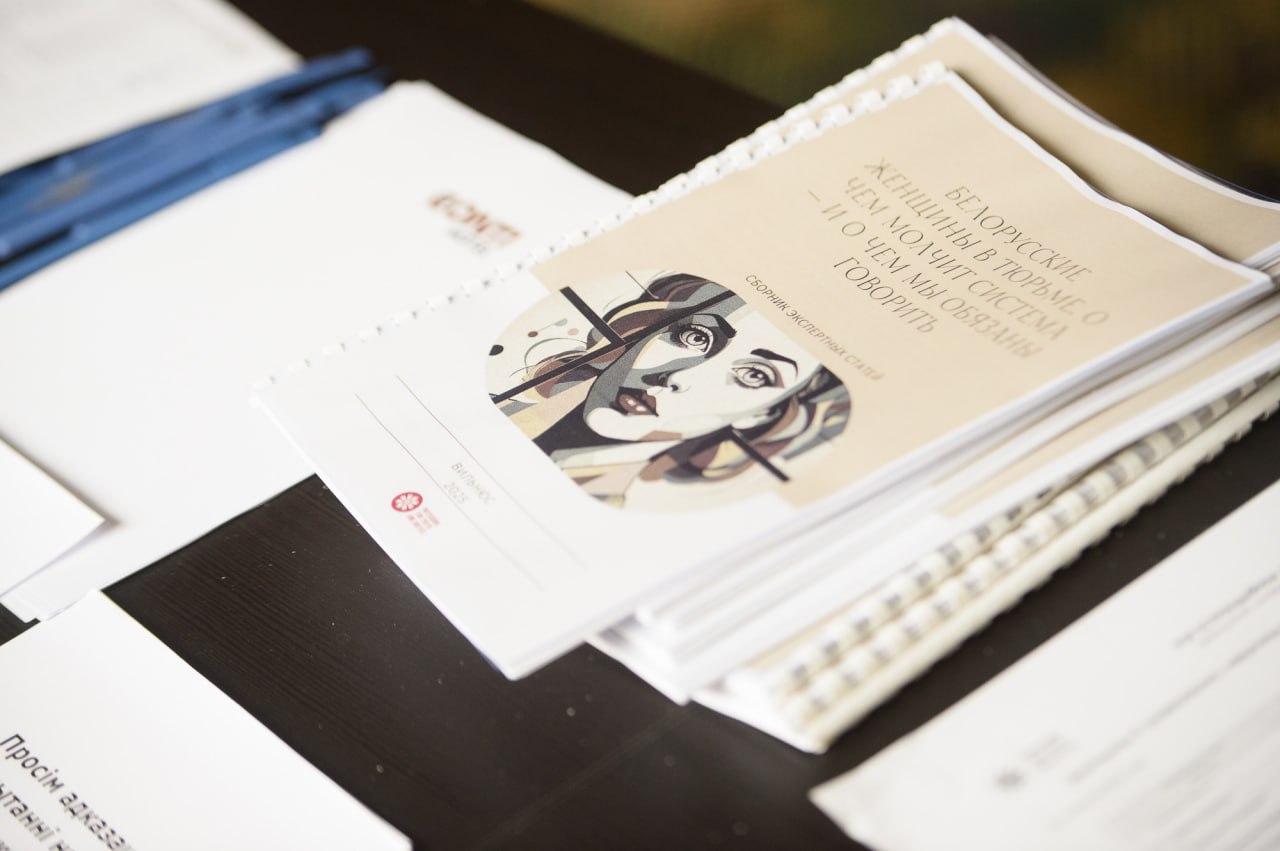
We have already reported on our platforms that we recently completed a cycle of expert studies on the observance of the right to health of imprisoned women in Belarus. We remind interested readers that the results of the studies can be accessed via the following link: https://doctorsby.com/2025/06/25/13600/
The results of the experts’ work are also valuable because, in addition to analyzing the situation and examining the most complex aspects of the problem, the specialists provided recommendations on what and how, in their expert opinion, can and should be changed in the system of penitentiary medicine and psychology so that people in detention feel like human beings.
We practice sending the experts’ works to relevant Belarusian authorities — in this case, the Ministry of Health, the Ministry of Internal Affairs, the Prosecutor General’s Office, and the Department for the Execution of Punishments. The existing “State Unified Republican Information System for the Registration and Processing of Appeals from Citizens and Legal Entities in Belarus,” when registered as an individual, provides such an opportunity.
We are not so naive as to expect that under the current circumstances we will receive responses from the listed bodies expressing gratitude for the work done and the research conducted, or that the results of our efforts will be implemented in practice or at least taken into account in shaping penitentiary policy and practice. Moreover, Belarusian national legislation allows state bodies not to respond to appeals containing proposals (as opposed to complaints). At the same time, our personal experience shows — and we have confirmation of this — that the submitted materials are studied by specialists of the agencies, that they take our conclusions and recommendations into account, and that some of them are communicated to staff in correctional colonies.
This time, as usual, we received official confirmations that the materials we sent were “taken into consideration.” The Ministry of Internal Affairs registered our appeal and forwarded it to the Department for the Execution of Punishments.
Well, a drop wears away the stone.
And our current work is yet another set of bricks in the foundation of reforming penitentiary medicine and psychology. We have no doubt that this reform will inevitably be carried out after the country transitions to a democratic system and the rule of law.
Machine translation from Belarusian.