

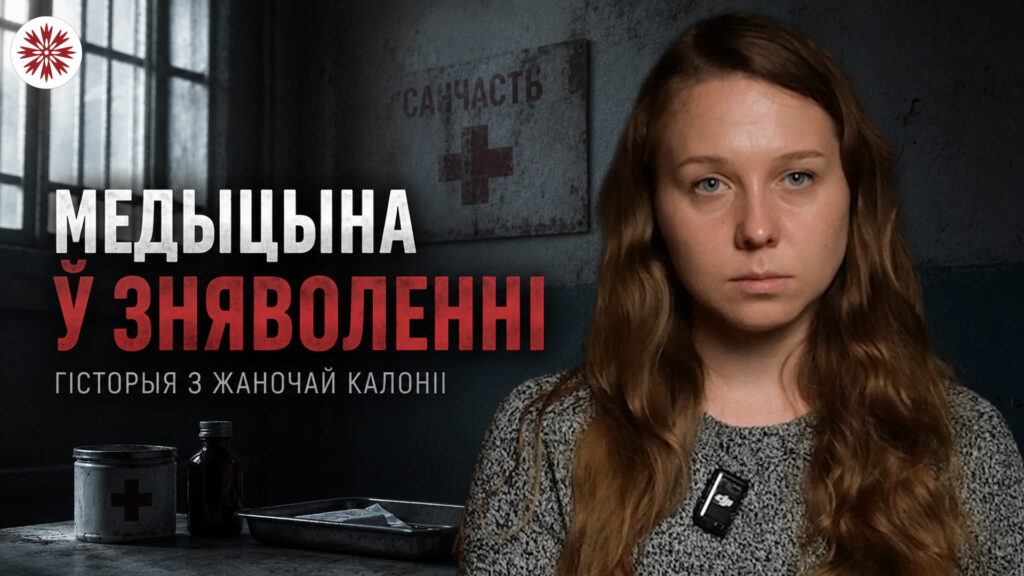
What happens when an incarcerated woman needs medical care? In a Belarusian penal colony, even an attempt to see a doctor can turn into a bureaucratic quest, and sick leave into a rare privilege.
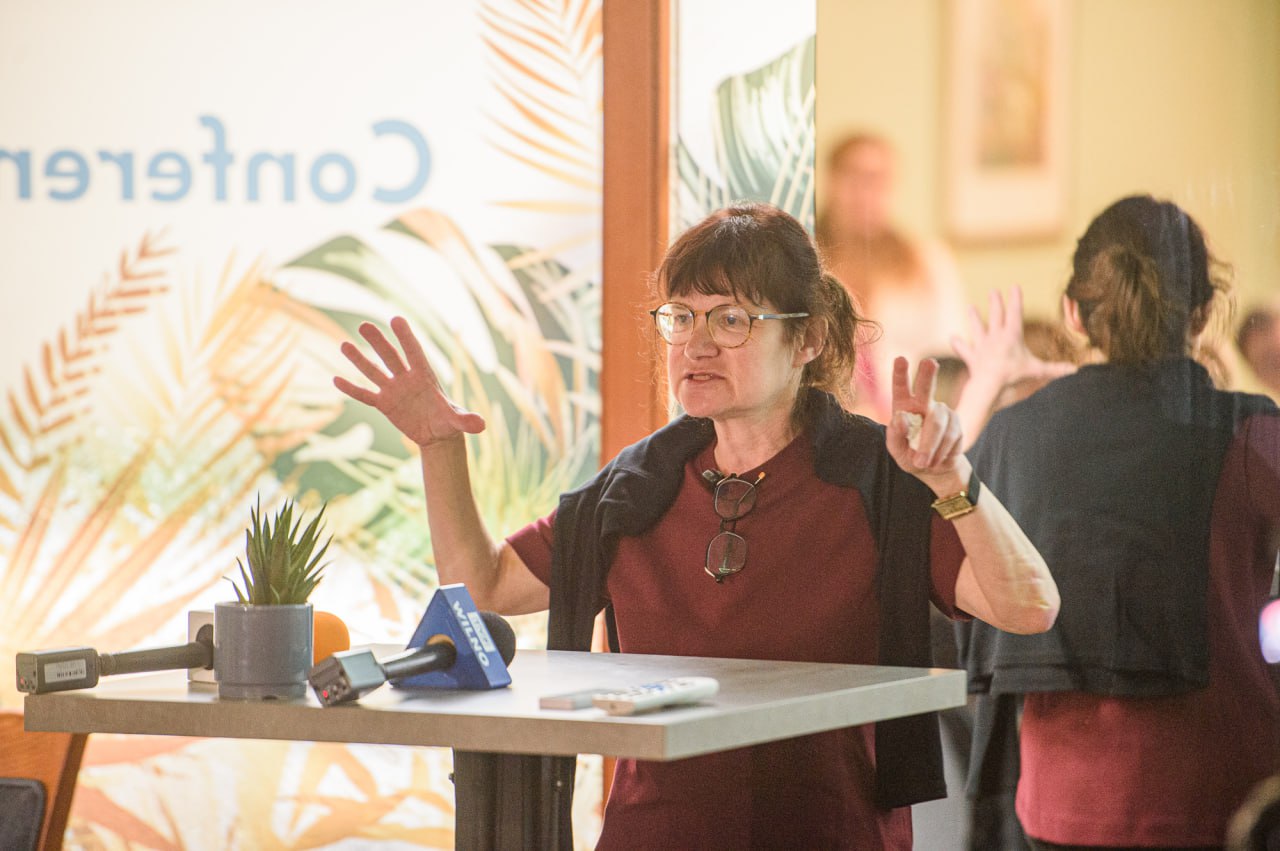
Former political prisoner and human rights defender at “Viasna” Marfa Rabkova shares what women face in the colony: how one must sign up to see a doctor far in advance, why even a high fever doesn’t guarantee time off from work, and how medical assistance differs for political prisoners—the so-called “Category 10” (inmates designated with “extremist” or “terrorist” status).
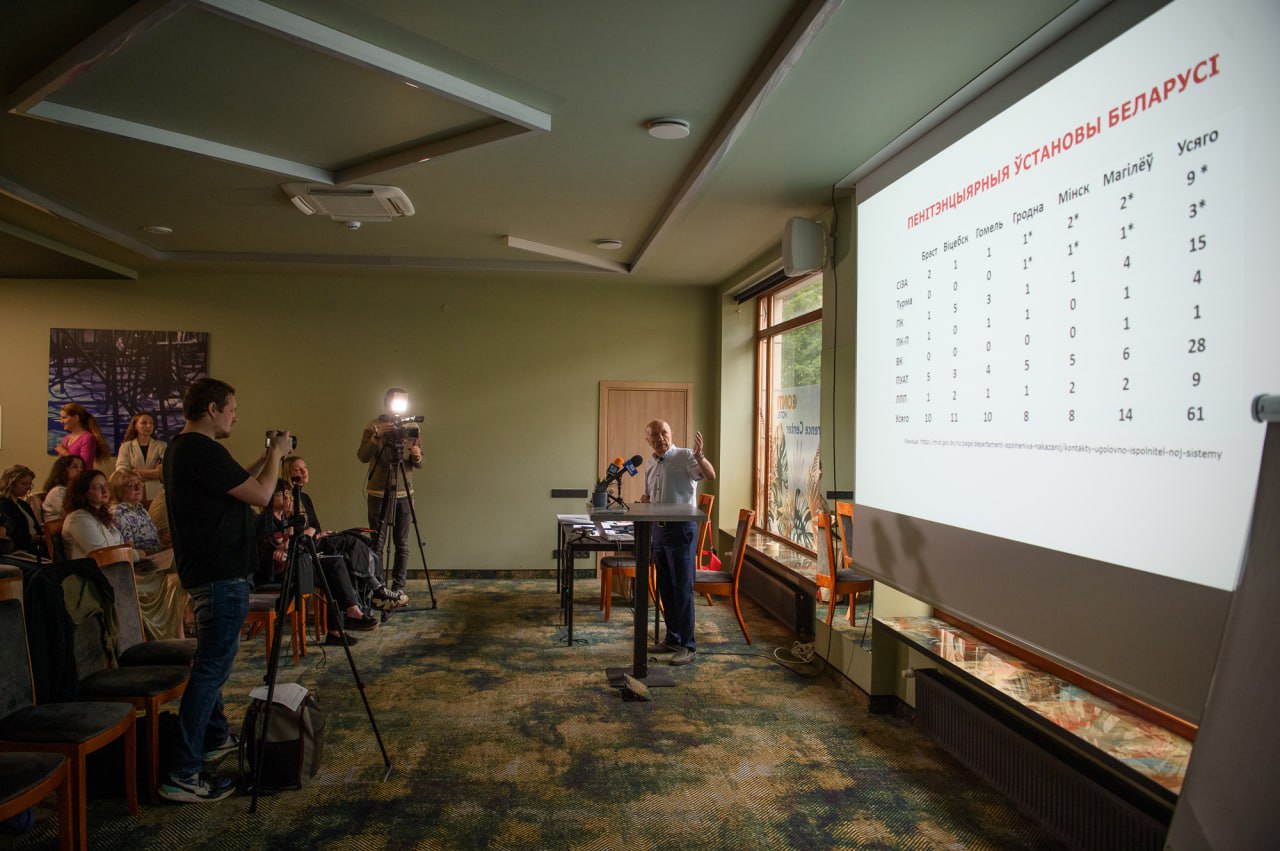
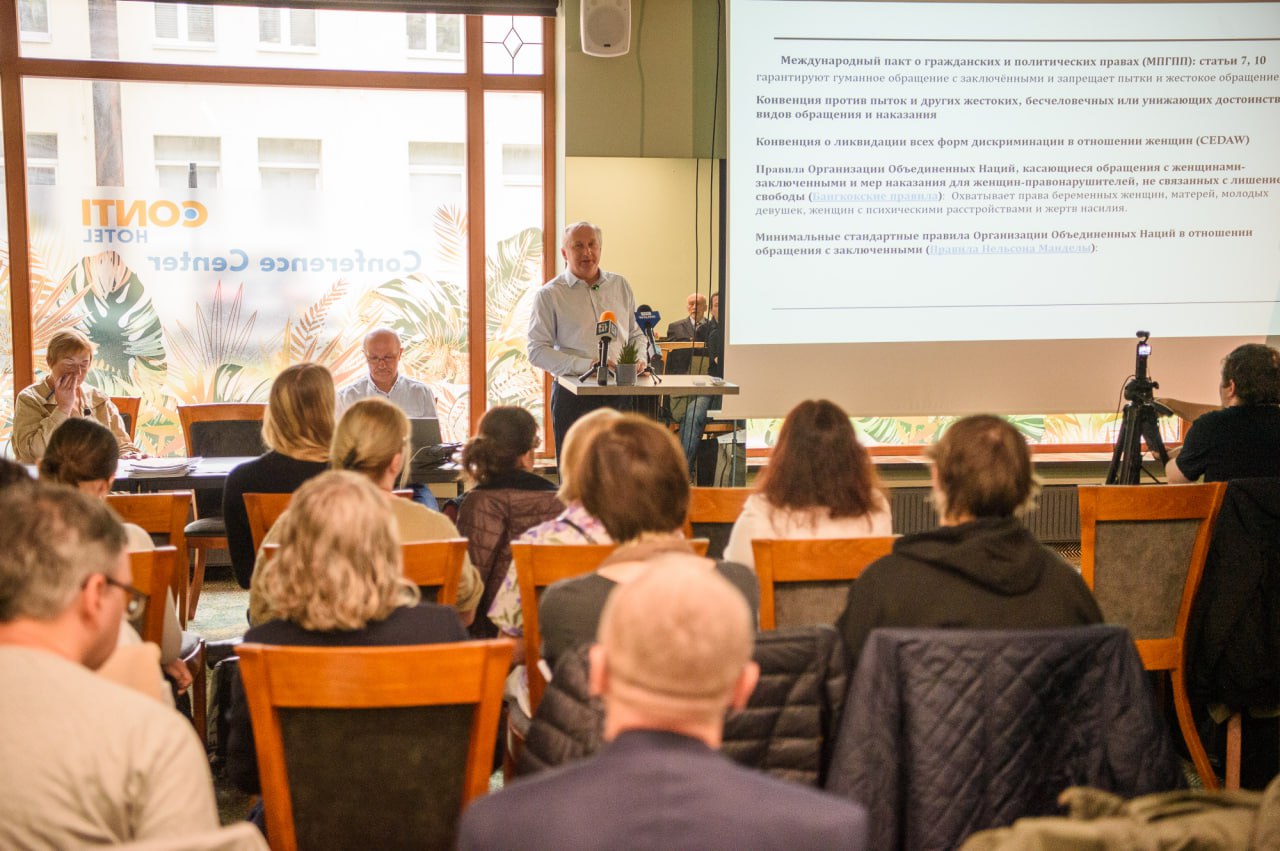
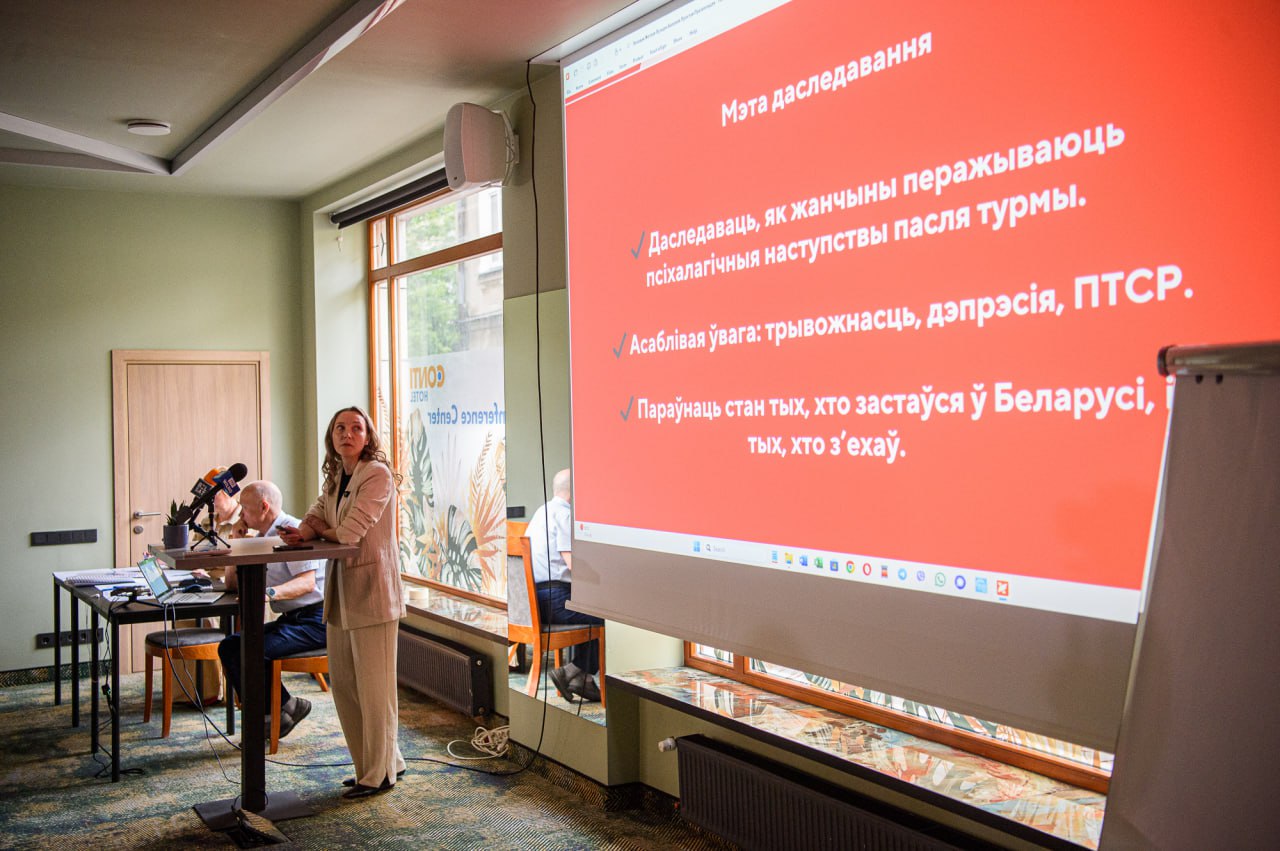
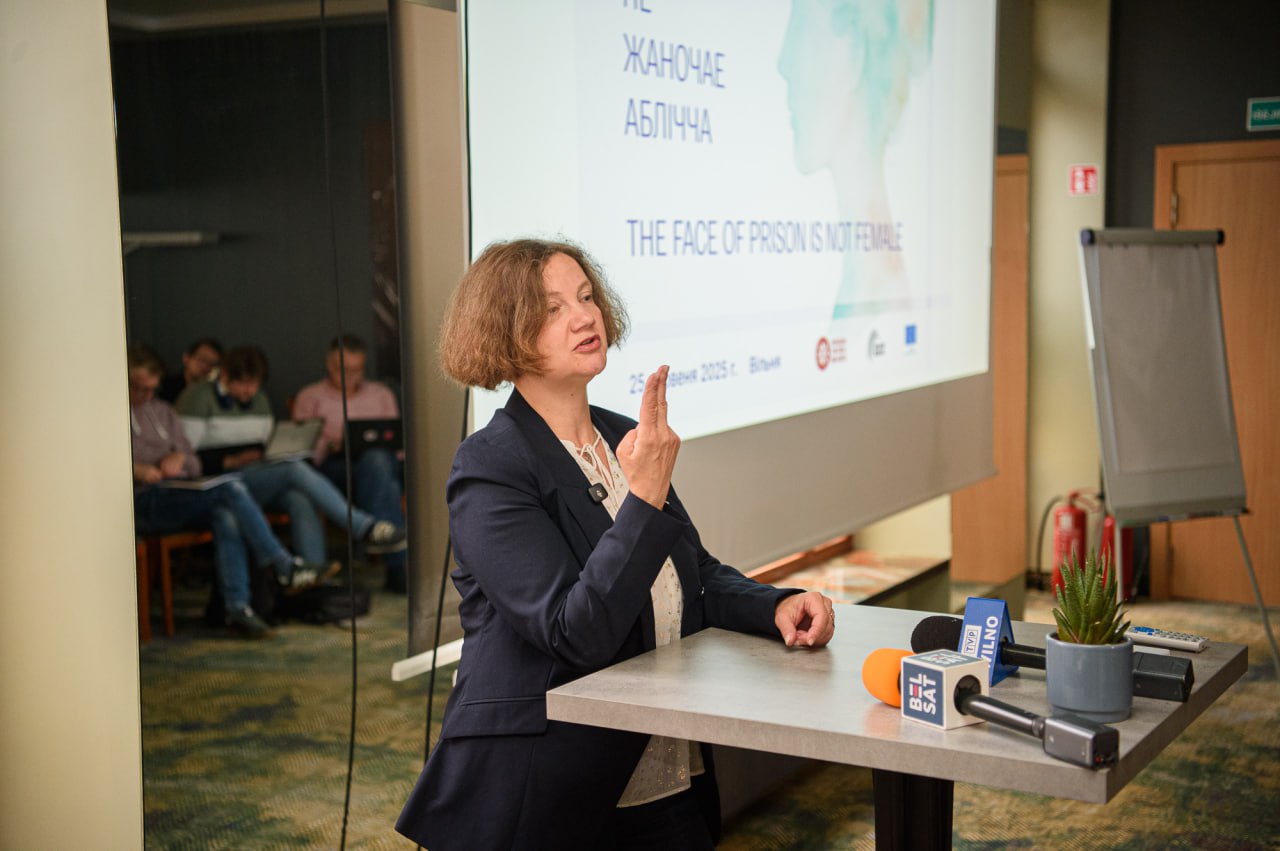
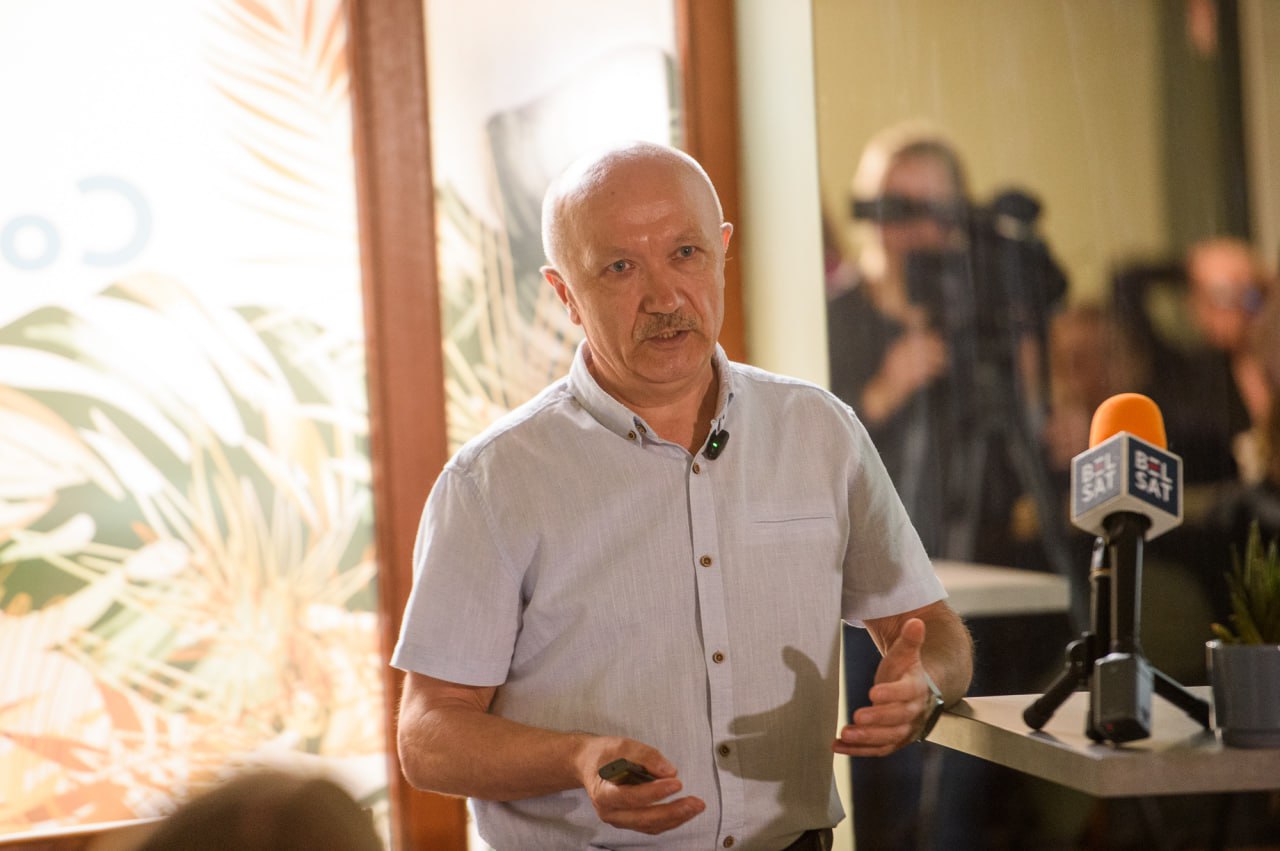
In this episode, we also talk with the co-founder of the Belarusian Sociology Group, Hienadz Korshunau, about how medical care in penal colonies affects not only the prisoners but also their families. Additionally, psychologist Volha Vialichka comments on the functioning of the psychological service.
Camera Operator, Video Editor: Max Morrisson