
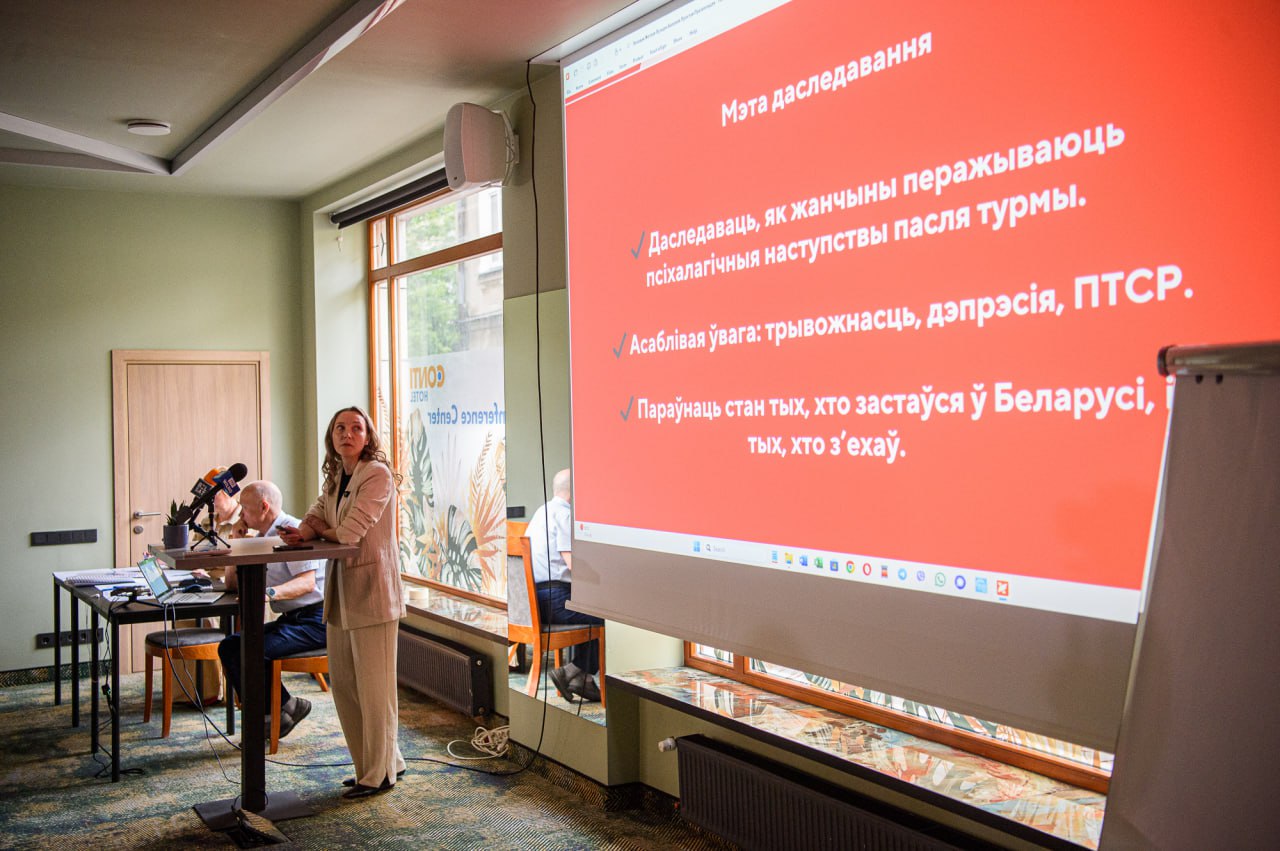
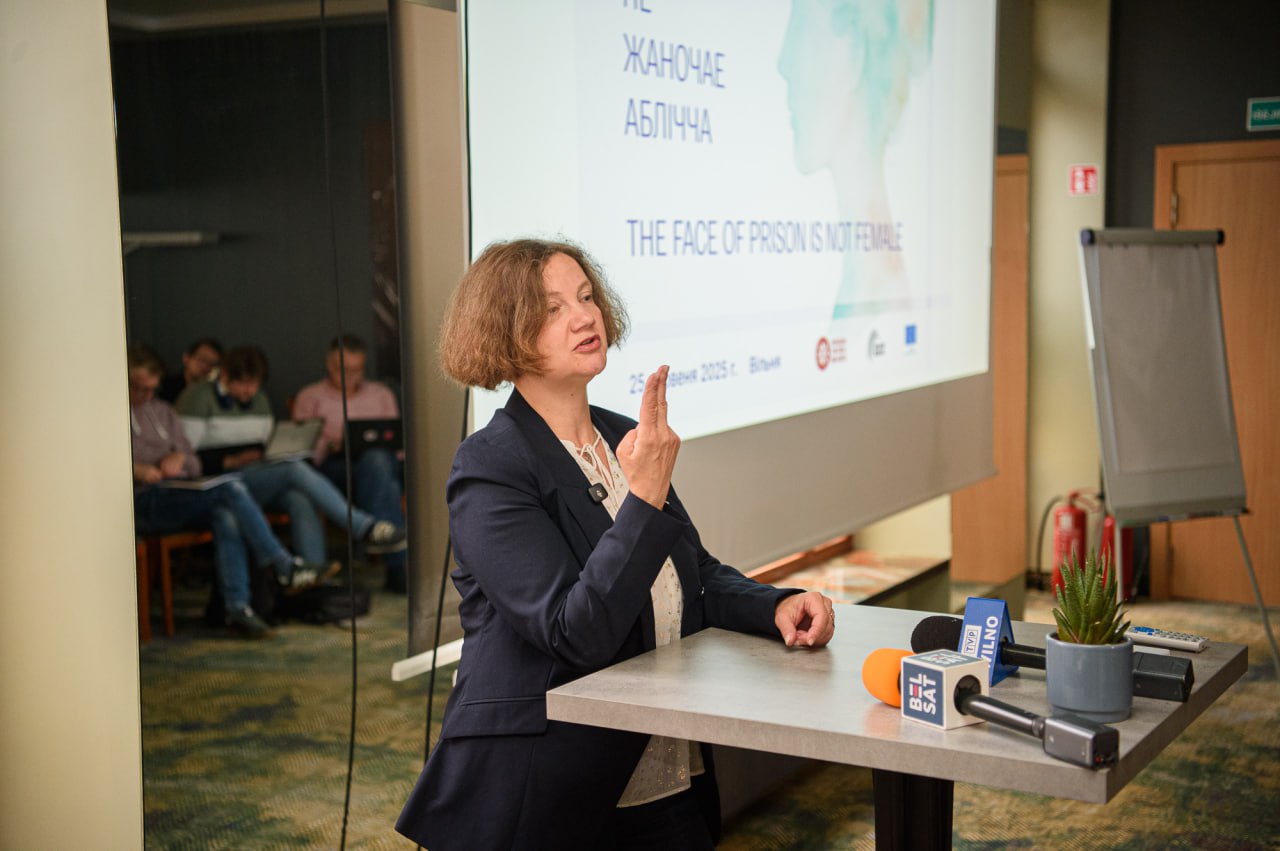
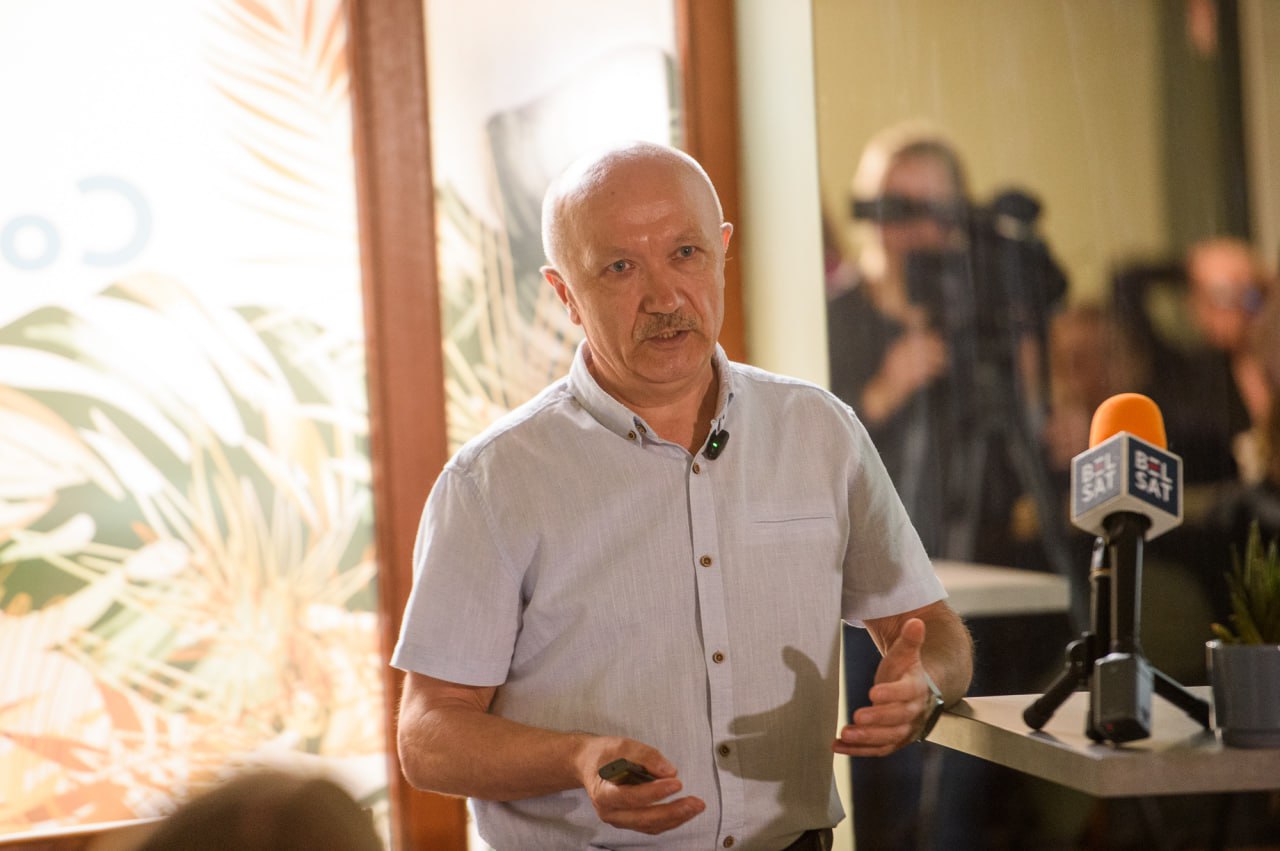
Imprisonment is not just the deprivation of physical freedom. For women in penal colonies, it is primarily the systematic deprivation of basic things that define human dignity, comfort, and personal boundaries. Former political prisoners Volha, Valeryia, and Viasna human rights activist Marfa Rabkova spoke candidly about the harsh deficits they faced every day and what they did first when the colony gates finally closed behind them.
Major Everyday Deficits
Life behind bars comes down to a constant struggle with systemic restrictions, where the administration deprives a person of the simplest and most vital needs. From the stories of former prisoners, a picture emerges of five main “deficits” of camp life:
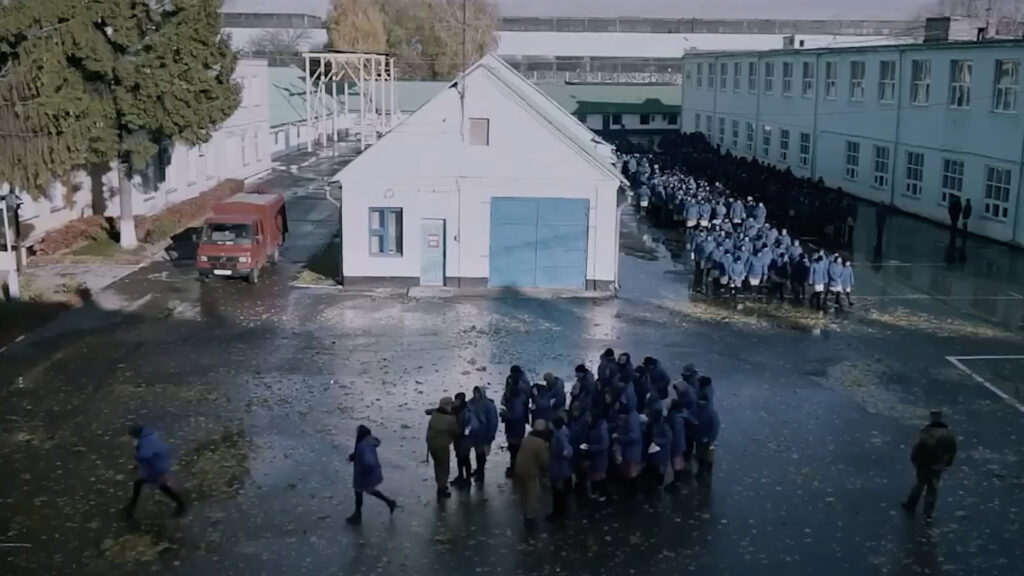
Lack of Privacy: This is one of the most painful factors. Women were surrounded by a huge number of people 24/7: in a living section for 14 people, during hard work at the sewing factory, and even in the restroom. Physically, there was absolutely nowhere to process heavy emotions or simply be alone with oneself in the colony.
“There wasn’t enough solitude. That is, you have certain emotions. When you don’t want to experience them publicly, it’s sometimes hard to find a place to hide in order to be left one-on-one with those emotions,” Marfa shares.
Diet of Cheap Grains and Blocked Vitamins: The staple of prison food consisted of simple carbohydrates. For years, women experienced a catastrophic shortage of fresh dairy products (cottage cheese, yogurt), fruits, vegetables, and greens. The situation was aggravated by the administration, which purposefully blocked the delivery of even basic vitamins to political prisoners, causing severe health issues for many.
Blandness of Food: Prison food was extremely bland, and prisoners suffered a catastrophic lack of elementary spices and seasonings to give the food at least some taste.
Deficit of Time: The rigid and exhausting daily schedule (early wake-ups, duty shifts, hard labor at the factory, mandatory watching of state TV programs) was built so that women didn’t have a single minute for comprehension, reflection, reading books, or calmly writing letters.
Moving Exclusively in Formation: Even inside the colony, freedom of movement was completely taken away — all movements occurred strictly in formation or under the strict control of guards and duty officers.
First Steps in Freedom: Returning to Oneself
Some women were released unexpectedly: taken out on a special flight and literally “dumped” at the border. Their first actions in freedom became a direct response to years of deprivation — they immediately sought to fulfill the needs they had been denied for years.
The first step at the border was making emotional calls to husbands and mothers.
“I called my husband while still at the border. I called my mom. Of course, it was a heavy phone call. But those were tears of happiness, probably. Because it was hard to say anything constructive. It was just pure emotion. Because, of course, you think about your loved ones. And it was still tough for me that they weren’t right beside me,” Marfa recalls.
Regaining control over their own lives began with breaking the routine. Attempts to go to bed at the “mandated” 10:00 PM were instantly abandoned: women found immense pleasure simply in the ability to stay awake at night and wake up whenever they wanted.
“We used to make plans in there about what we’d do when we got out. I implemented the first part of the plan relatively recently. Naturally, I immediately stopped going to bed at 10 o’clock,” Valeryia says with a smile.
Food immediately became an important ritual of rehabilitation. One of the interviewees admits that she immediately started buying a lot of cottage cheese and now eats it every day. Another treated herself to a culinary celebration by buying a huge quantity of spices and various baking molds.
“Naturally, I checked what spices we had at home and bought a whole bunch of additional spices that I had been missing all that time and still lacked,” Valeryia remembers.
The desire to feel like a woman again manifested through scents and jewelry. Valeryia shared that when the former political prisoners first arrived in Poland, a Warsaw club for perfume enthusiasts hosted a wonderful meeting for them. The club members presented the former prisoners with numerous perfume bottles — scents that they themselves no longer used.
Valeryia left the meeting with gifts, added what she bought herself, and joyfully shared that she now has at least six perfume bottles and various eau de toilette scents. For her, just like the collection of jewelry gifted by loved ones, this became an important part of returning to a normal woman’s life after the harsh routine of the camp.
Right after her release, Valeryia also fulfilled a long-standing dream — she went on a long bicycle camping trip along the Polish Baltic coast.
Over-saturation with forced social interaction led to some women consciously choosing to live completely alone after release. Finding themselves alone in their own room, they felt tremendous relief.
“Since my release and up until now, I live alone, even though I’m a fairly sociable person. I’m quite eccentric like that. But, for example, I never would have thought before that I could live alone. And initially, I really enjoyed it. Enjoyed being alone in the room…” says Marfa.
The Long Road of Rehabilitation
Despite the joy of freedom, returning to normal life proved to be psychologically and physically difficult.
Many former prisoners note that after being released, they experienced a strong health “rebound”: the sudden relaxation of the body after years of stress caused severe muscle and joint pain. And due to the traumatic experience they endured, the feeling that imprisonment is still ongoing — just in another, milder form — lingers for a long time.