

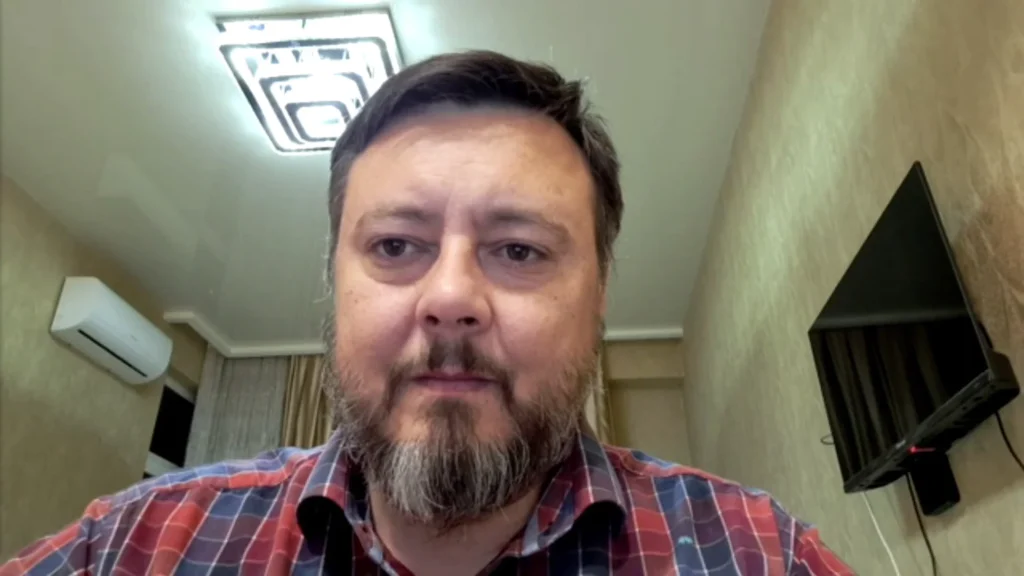
Women in detention remain without effective psychological and psychiatric assistance, despite formally existing laws and regulations. Psychiatrist Pavel Perepyolkin explains how the closed nature of the Belarusian penitentiary system and the stigmatization of prisoners hinder rehabilitation rather than support it.
Legislation and Reality
In his article “Providing Psychological and Psychiatric Assistance to Women in Detention,” Perepyolkin analyzes the state of psychological and psychiatric care for women in the Belarusian penitentiary system. Despite the existence of a legal framework (the Constitution, healthcare laws, and the Penal Enforcement Code), practical implementation remains formal and ineffective. The main governing document — МВД Instruction No. 202/39 — is outdated and does not meet modern medical standards (at present, Instruction No. 202/39 has been repealed, and a new document has been in force since March 2025; however, the regulation of psychiatric and psychological care for prisoners has remained without significant changes — note by doctorsby.com).
Practice of Providing Assistance
There are two women’s penal colonies in the country (IK-4 in Homel and IK-24 in the Rechytsa district), where psychiatrists are formally present. However, treatment is complicated by a shortage of specialists, bureaucracy, and the closed nature of the system. Requests for assistance are possible both voluntarily and by court decision. At the same time, the involvement of civilian doctors is limited — colony administrations are reluctant to cooperate.
Problems of Violence and Stigma
Many imprisoned women are victims of long-term domestic violence. However, they are not provided with systematic support. The existing system not only ignores psychological trauma but also exacerbates many of them, including feelings of guilt among survivors.
Psychologists in detention centers and colonies are formally present but are part of the administration, which excludes trust from prisoners. No effective psychological work is carried out.
Compulsory Psychiatric Treatment
Decisions on compulsory treatment are made by the court based on psychiatric evaluation. Both outpatient and inpatient forms of examination exist, including at the Republican Scientific and Practical Center for Mental Health. However, even with formal protocols in place, everything depends on the subjective opinion of the doctor and the administrative will.
Treatment for addictive behavior (for example, alcoholism) under Article 107 of the Criminal Code is in fact not carried out. Prisoners merely “check in” with a doctor without receiving real help. Commissions meet rarely, and procedures are purely formal.
Illustration of the Problem
Pavel Perepyolkin provides two examples: one involving a man with a mental disorder hospitalized without a criminal case being opened, and another involving a patient with schizophrenia placed in a pre-trial detention center for hooliganism, whose condition predictably did not improve after months of imprisonment. These cases, although concerning men, highlight the absence of a systematic approach to people with mental disorders.
Machine translation from Russian.