
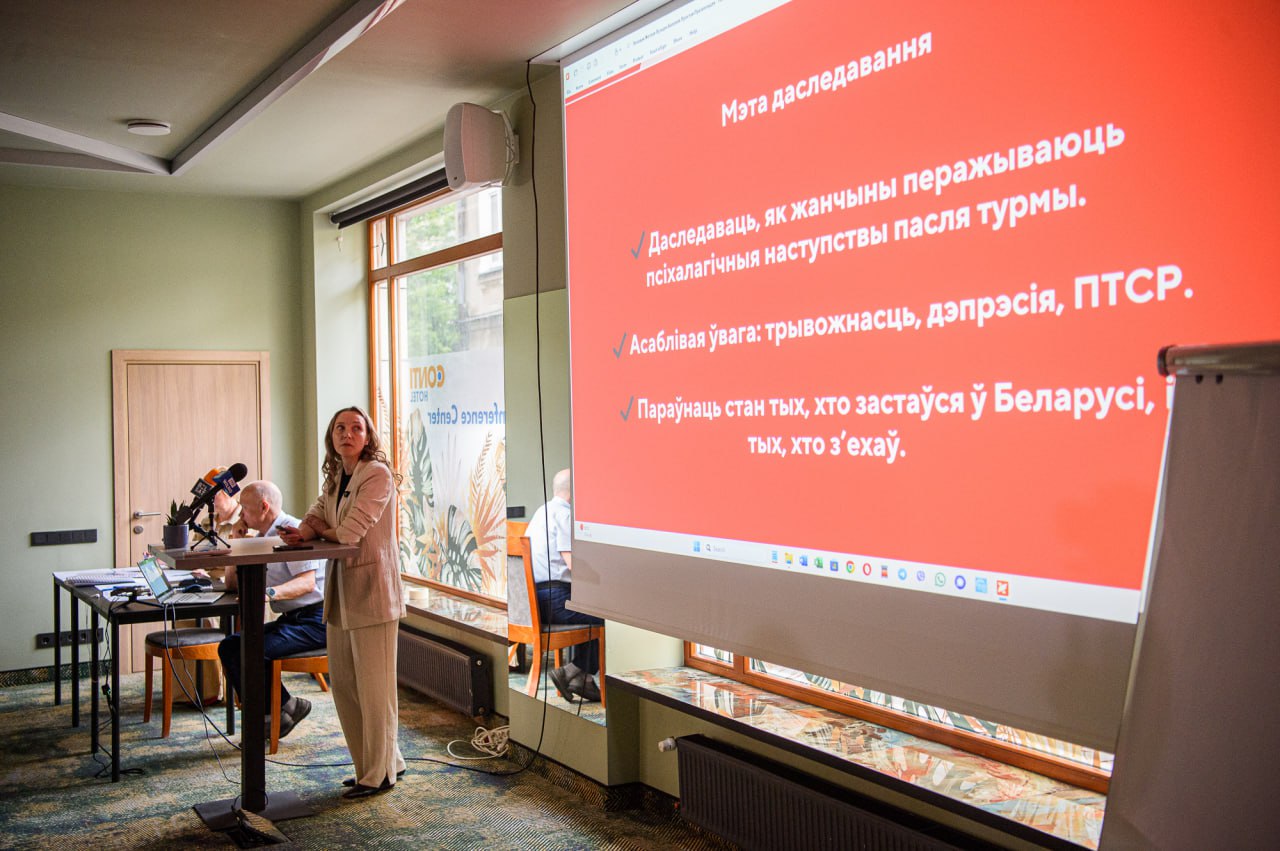

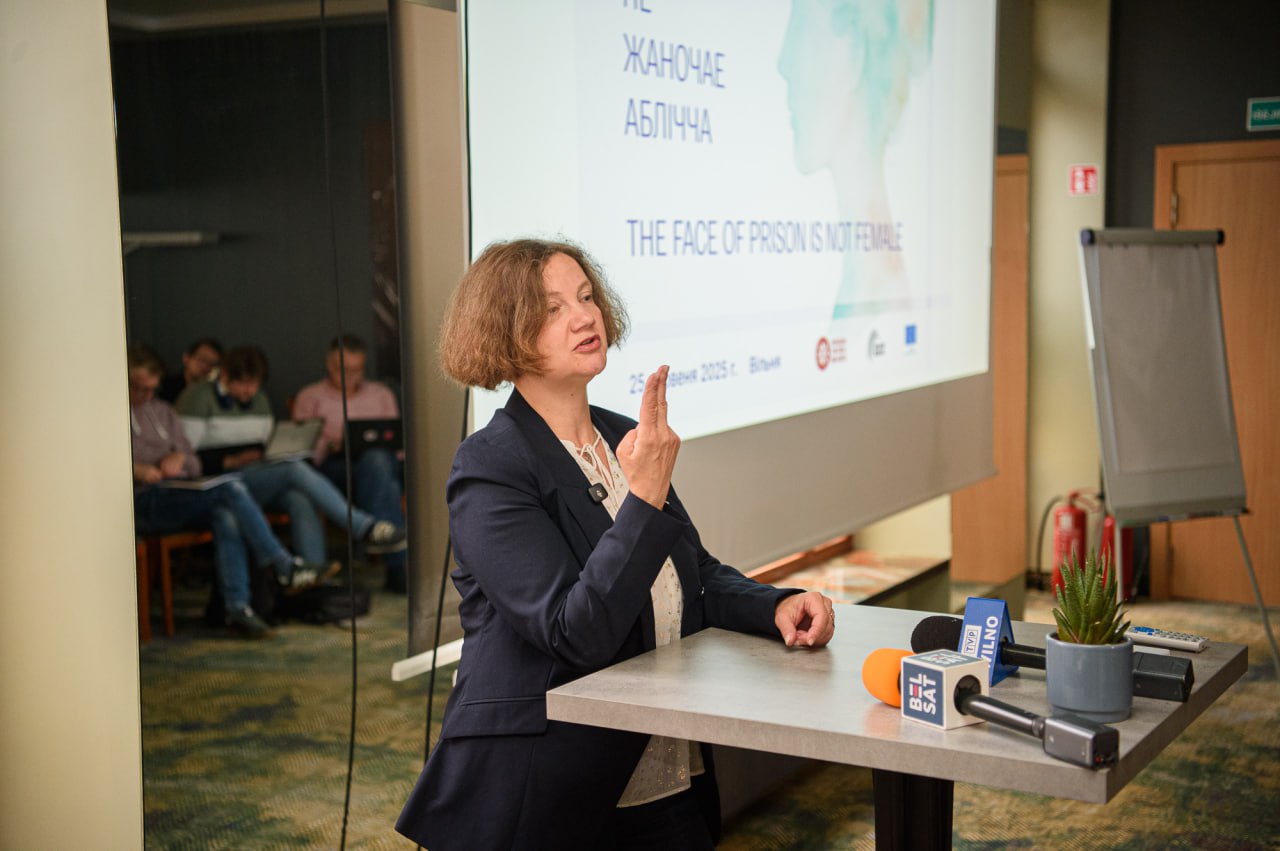
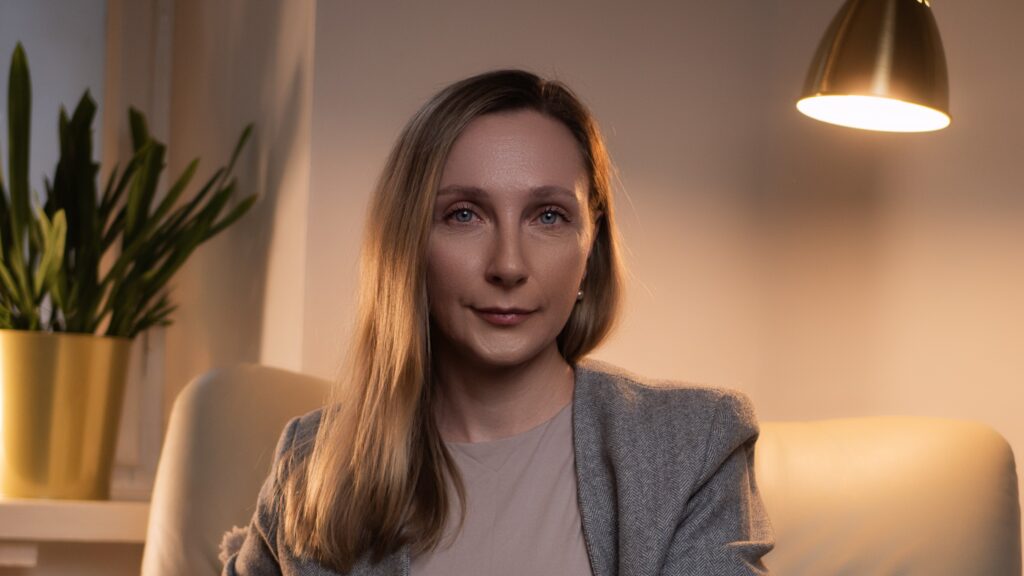
For many women who have experienced imprisonment, release from prison does not mean the end of suffering. On the contrary, it often becomes the beginning of a new, no less difficult stage. Olga Vialichka, a psychologist with the human rights organization “Doctors for Truth and Justice,” explains why for these women prison does not end even after release, and how flashbacks become their constant companions. And most importantly — what can women with PTSD do?
Life After Prison Is Not Always Freedom
“Prison did not end even after release” — these words of psychologist Olga Vialichka can only be fully understood by those who have been through Belarusian prisons. Women who return to freedom after imprisonment carry with them wounds that are invisible on the outside:
“All women who are released leave with an absolutely terrible impression of the state our prison system is in today,” says Olga Vialichka.
She emphasizes that the key factor that returns women to a state of “unfreedom” is the rejection of guilt and punishment that they had to endure. This may bring temporary relief, but in the long term it strongly affects emotional well-being after release. Regardless of the length of imprisonment — whether four months or several years — all women who have gone through the prison system are left with deep trauma.
The Danger of PTSD
Among all symptoms of PTSD, flashbacks are the most persistent and the least responsive to classical psychotherapy. Olga explains that unlike anxiety or depressive states, flashbacks are a defining feature of PTSD. Flashbacks are characteristic not only of political prisoners, but of all Belarusians who were involved in the events of 2020.
It is important to distinguish between post-traumatic stress and post-traumatic stress disorder (PTSD). Post-traumatic stress lasts up to a month and does not have serious consequences for a person’s quality of life. However, in PTSD, the nervous system and psyche are unable to “switch off” traumatic thoughts, despite all efforts.
“These flashbacks return, and the body’s reaction becomes involved as well,” Olga Vialichka notes.
What to Do in Case of PTSD
PTSD is one of the most difficult conditions psychologists encounter in clinical practice. Olga Vialichka emphasizes that effective correction of this condition requires a comprehensive approach, including both medication and psychotherapeutic treatment. It is important to understand that this condition requires professional help, and one should not be ashamed to seek it.
Machine translation from Russian.