
Alesya is 38. She was born and has lived her entire life in a regional city. Around the age of 20, she realized that relationships with men did not give her the same tenderness and warmth as relationships with women. The journey toward her identity took about seven years. Alesya went through almost three years of imprisonment, experienced the suffering of prison during that time, and also betrayal by her loved one (the heroine’s name has been changed for ethical and legal reasons).
“After the first interrogation, for an hour I couldn’t touch myself. I couldn’t wash my face.
I thought: they are still here.”
“I don’t understand how, but very quickly — maybe by the third interrogation — they realized that my sexuality was non-traditional. And then it began: ‘your parents raised a freak, now you’ll try men here, you’re just a bitch without a male, now we’ll show you what it’s like when a man…’”
What were you thinking at that time?
They simply erased me — erased me as a woman, as a human being. They stood over me in a semicircle, snarling, mocking me, spitting. One of them literally let spit run onto my face. I curled inward; I didn’t know I could feel such fear. I didn’t even understand in that moment how humiliating it was. The realization came before the trial, when it became clear that this was not a movie and no one would sort it out. That I would be sent to a penal colony.
What was the hardest part?
There was this sticky feeling that something exists that is worse than death itself. That my death alone was not enough for them — they enjoyed humiliating me. I felt as if I could sense their arousal, how they took pleasure in my weakness. More than three years have passed, and even today I still hear it: “you’re unfinished; with a face like yours, no man would ever jump on you.”
How did you feel your body?
Oh! That was the hardest part. I remember very clearly how, during one interrogation, I felt my shoulders going numb, as if they were no longer mine. My arms, torso, legs — those were mine, but my shoulders felt separate from my body. After some time my arms joined in, then gradually my whole body switched off. Only my head remained mine, because I could feel very clearly how my pulse was pounding in my temples.
Where did you look for support? What helped you get through it?
I didn’t understand what they wanted from me. They talked all at once, pressured me to sign and confess. At first I just stayed silent. Then they started hitting me — punching my stomach. I wasn’t prepared for that. I lost consciousness. The last thing I remember is a dagger-like pain on the right side of my abdomen.
“They’ll find out quickly that you’re a lesbian. We’ll see how you talk then” — constant threats became routine in a short time.
I didn’t say anything, because there wasn’t really anything to say. They transferred me to a pre-trial detention center (SIZO). I was very afraid of my cellmates because there had been so many threats. But everything turned out to be quite normal. They started bringing me parcels; letters started coming through; somehow things settled, and I got used to the situation. I waited for the trial — there was a lot of hope and faith.
My loved one remained outside. She supported me very strongly while I was in SIZO.
“The most dangerous ones here are those who smile and say: ‘this is for your upbringing.’”
What are your memories of the penal colony?
It’s simple: everything there is built in such a way that you stop feeling like a person. You must merge into one mass. Not just become convenient, but simply disappear. Only your body should exist — the body that goes to the factory, that works. There can be no emotions, no feelings, no friendship. They hate you there simply because you were born and ended up in that place.
Is there special treatment toward LGBTQ+ women?
I would say that the most distinct treatment is toward political prisoners. They are at the very bottom.
From the other women themselves I did not feel disrespect or mockery. The harshest ones were not the murderers, but the “close ones” — those favored by the administration, which is understandable. They were the source of provocations, humiliation, and постоянные petty attacks.
Once I couldn’t endure it anymore and cried because of her bullying. And I was surprised at myself: under that “crazy” schedule, I had forgotten that it was even possible to simply cry. After that, it became easier.
Double Discrimination Behind Bars as the Norm
The existing penitentiary system in our country is a copy of the Soviet one. Back then, it was impossible even to imagine that a person could have a different sexual orientation. That is why today’s staff find the natural diversity of sexual expression completely incomprehensible. For them it is an illness — something that can supposedly be “treated” through the corrective methods of a women’s colony. They say this directly.
In addition, they also use women’s sexuality as a tool of pressure and coercion.
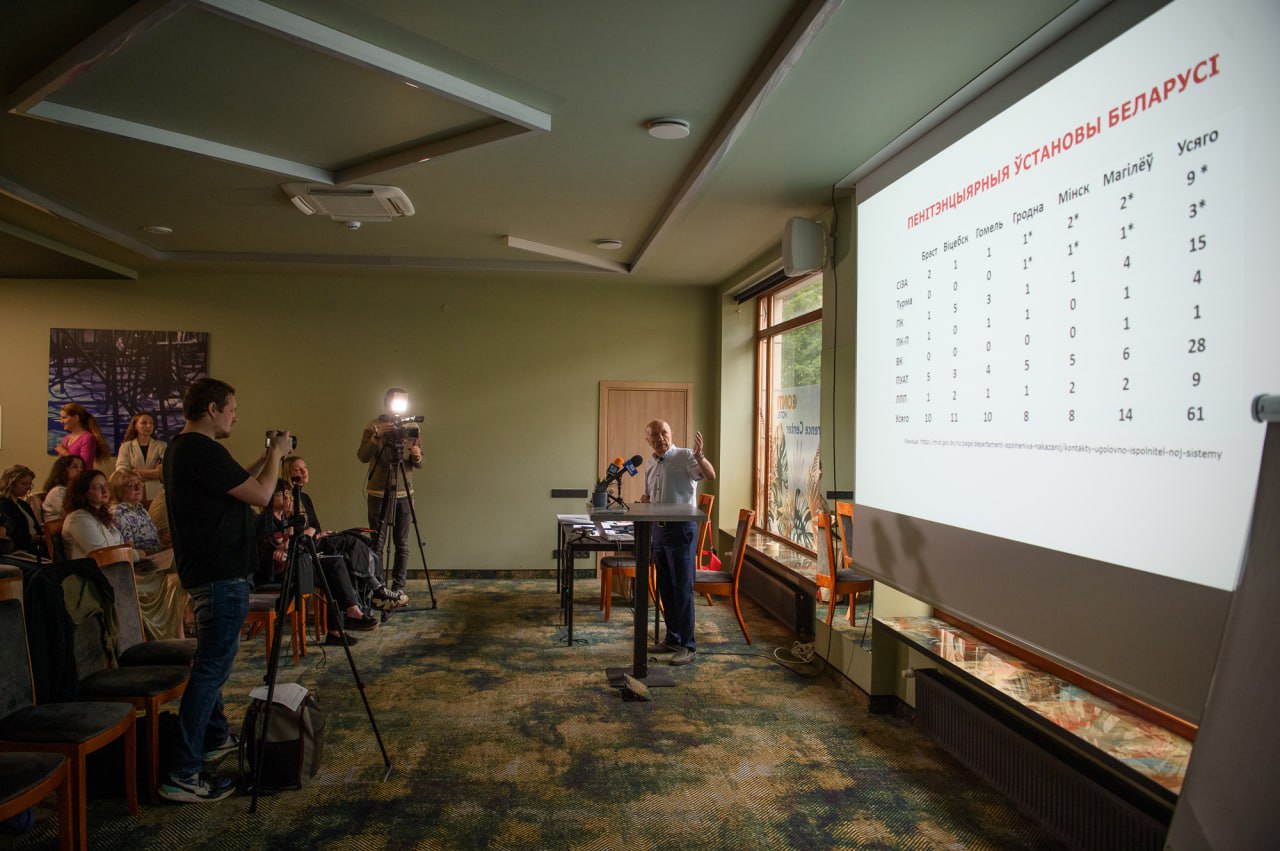
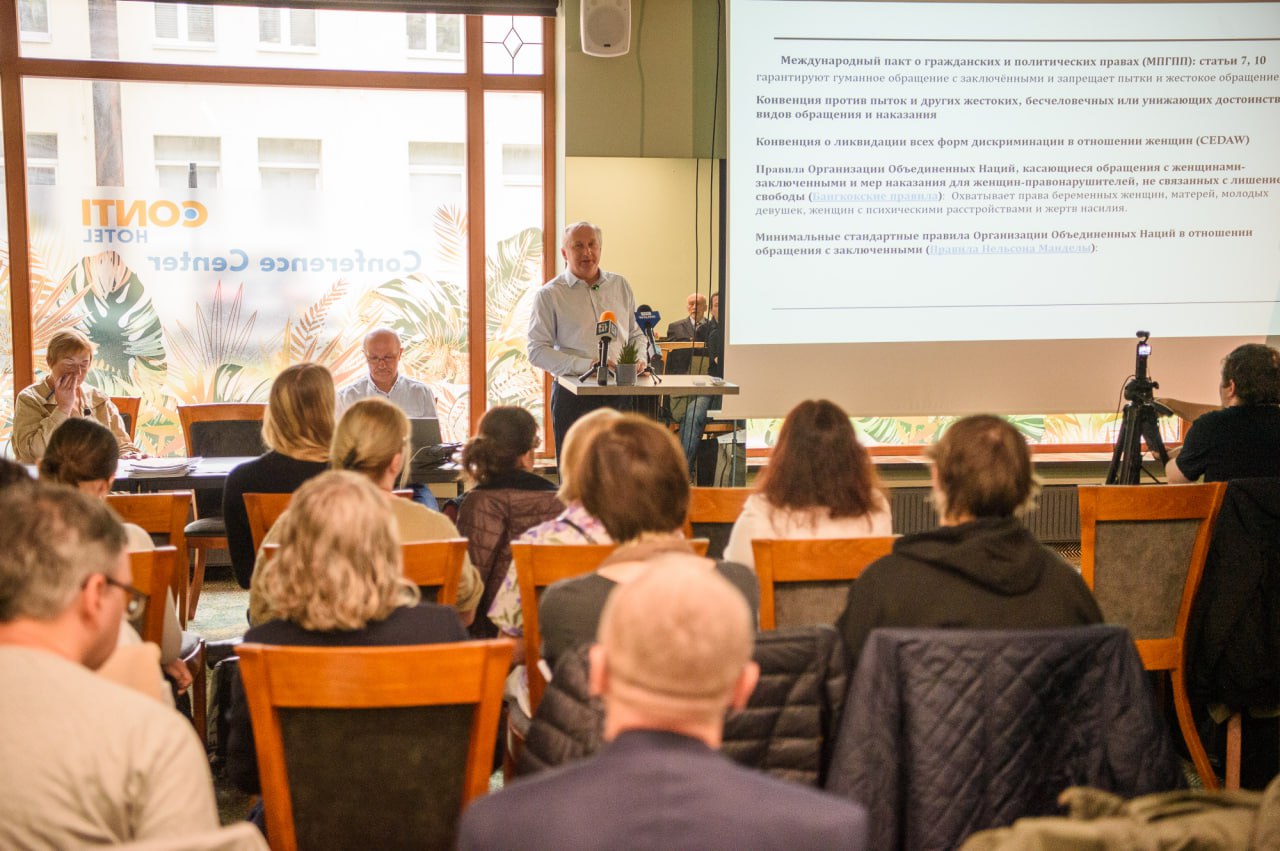
International norms that establish rules and standards of treatment of prisoners practically do not function in Belarus today. National legislation does not include the concept of “discrimination,” nor are there any mentions of gender or sexual minorities.
Belarusian law contains formal norms about “respect,” but there are no instruments to enforce them — especially when it comes to LGBTQ+ women.
Accordingly, there are no developed psychological mechanisms to provide assistance to such women. Psychological conversations in the colony “according to a plan” not only do not work — they cause harm.
After the crackdown on non-governmental organizations in Belarus in 2021, there has been almost no gender-sensitive psychological assistance left.
In my view, this area of psychology remains underdeveloped in our environment and represents a перспективный direction for study and implementation.
Machine translation from Belarusian.