



Release after years of imprisonment is not just a long-awaited moment of freedom, but also the beginning of a new, highly challenging ordeal. Often, a woman finds herself free without documents, a job, housing, money, or sometimes even family support, facing the need to resolve dozens of everyday, legal, and psychological problems all at once.
Step 1: Basic safety, shelter, and overnight stay
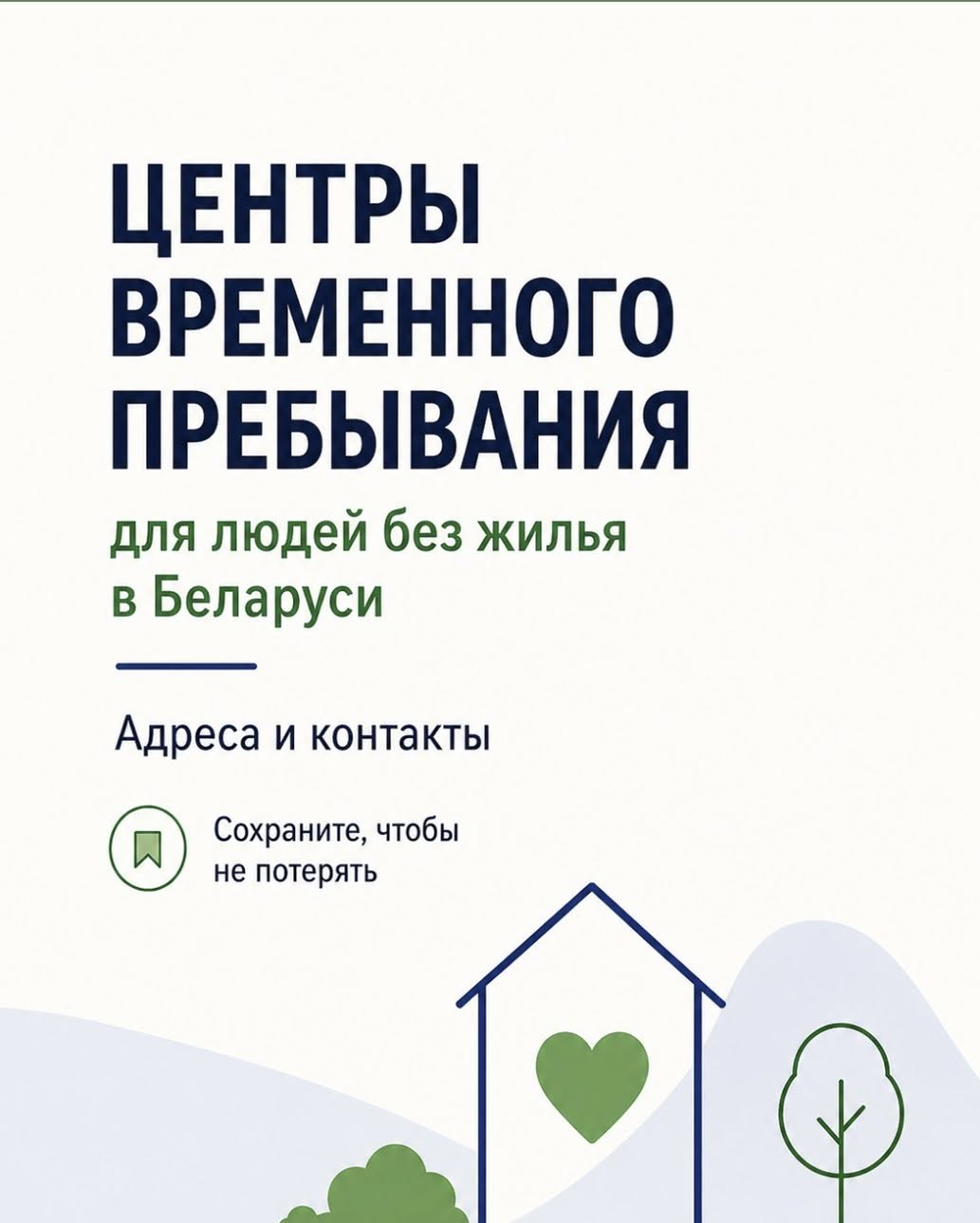
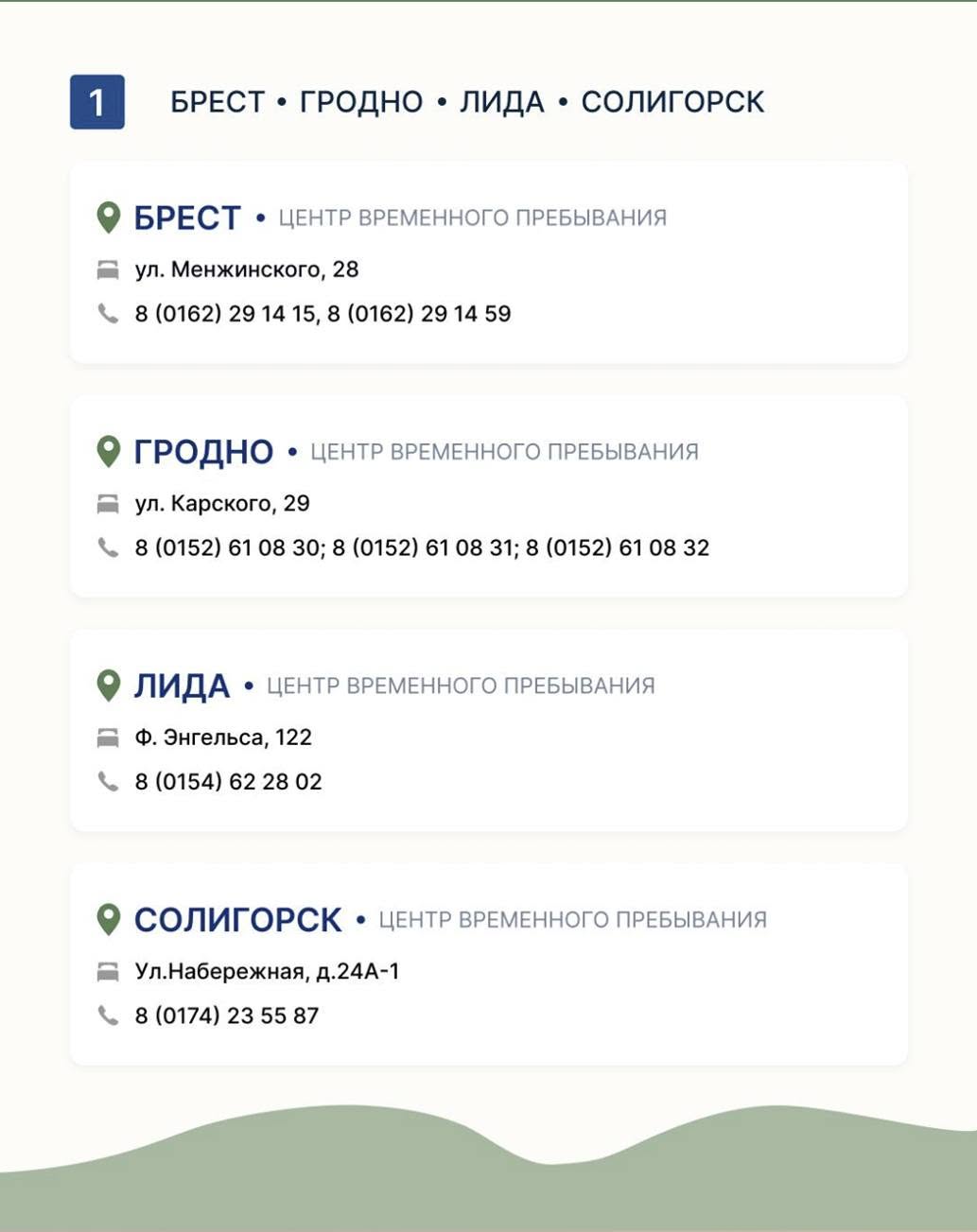
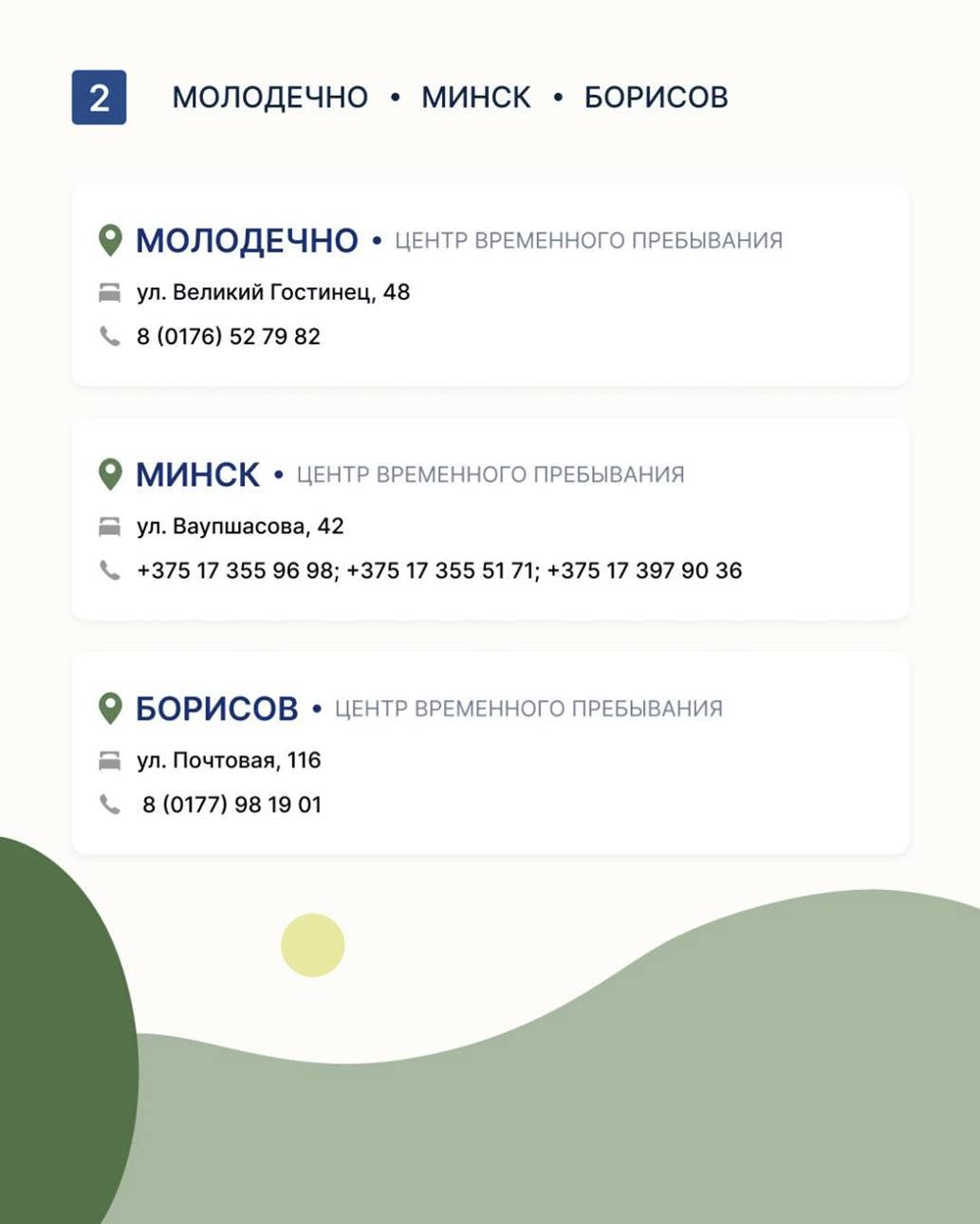
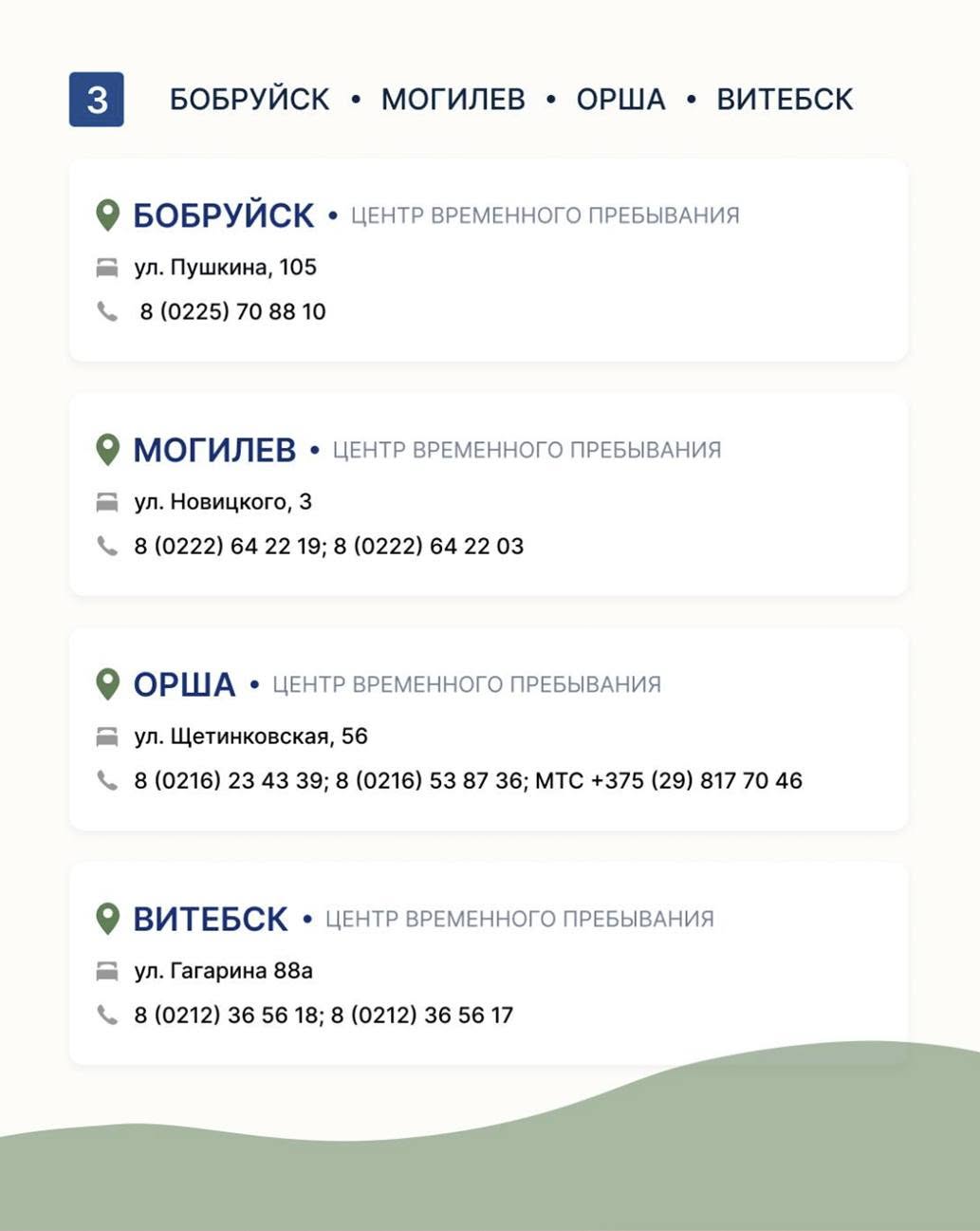
If a woman has nowhere to go and nowhere to spend the night, the primary goal is to find a safe place. You can contact temporary accommodation centers for individuals without a fixed place of residence, which are available in every regional center and in some district centers.
What they offer: Safe overnight stay (from 18:00 to 08:00), a warm meal, the opportunity to wash up, wash clothes, get assistance with a primary medical examination, and restore documents.
Conditions: You must be sober.
Help is available even without documents and without local registration. Some addresses and contact details of these centers can be seen below (click to enlarge the images).
Step 2: Restoration of documents
A passport is the foundation for all subsequent steps (employment, social benefits, medical care). If you can afford the state fee (1 base unit): Contact the Department of Citizenship and Migration at your place of residence.
If you have no money: Contact the Territorial Center for Social Services of the Population (TCSSP) or a Temporary Accommodation Center. They collaborate with volunteers and can help restore documents free of charge.
Step 3: Applying for social assistance and employment services
If a woman gets a job or registers as unemployed with the labor, employment, and social protection authorities within a month after her release, she is entitled to state targeted social assistance.
If the average family income per member is below the subsistence minimum budget, a registered unemployed individual has the right to financial support.
Step 4: Medical and psychological assistance
In local clinics, emergency medical care (acute pain, high fever) must be provided even without documents. Temporary Accommodation Centers also refer individuals for free medical examinations.
Free psychological consultations are offered by the Territorial Center for Social Services of the Population and local clinics. Many TCSSPs operate special social rehabilitation and support groups for former prisoners.
There are also 24/7 free helplines:
Short number: 133.
Phone numbers: 8-017-311-00-99, 8-029-899-04-01 (MTS, Telegram, Viber, WhatsApp), 8-029-101-73-73 (A1).
Step 5: Job search and professional integration
Where to go: Employment services and TCSSPs. They will help select job vacancies and offer retraining or skill-upgrading programs.
Some TCSSPs offer options for temporary work with daily pay at the end of the workday, and sometimes you can start even before restoring your passport.
At the initial stage, it is advisable to consider simple vacancies with on-the-job training to gradually restore financial stability, a daily routine, and self-confidence.